
Perge Aspendos Side and Manavgat Waterfall Tour from Belek
Three ancient cities, one waterfall and a guided day to remember.
A full-day discovery route following the footsteps of antiquity.
History and Nature from Belek in One Day
Walk through the ancient streets of Perge, Aspendos and Side, then catch your breath at the refreshing Manavgat Waterfall.





Perge Aspendos Side and Manavgat Waterfall Tour from Belek Price
Tour Program
- Morning pick-up from hotels in and around Belek
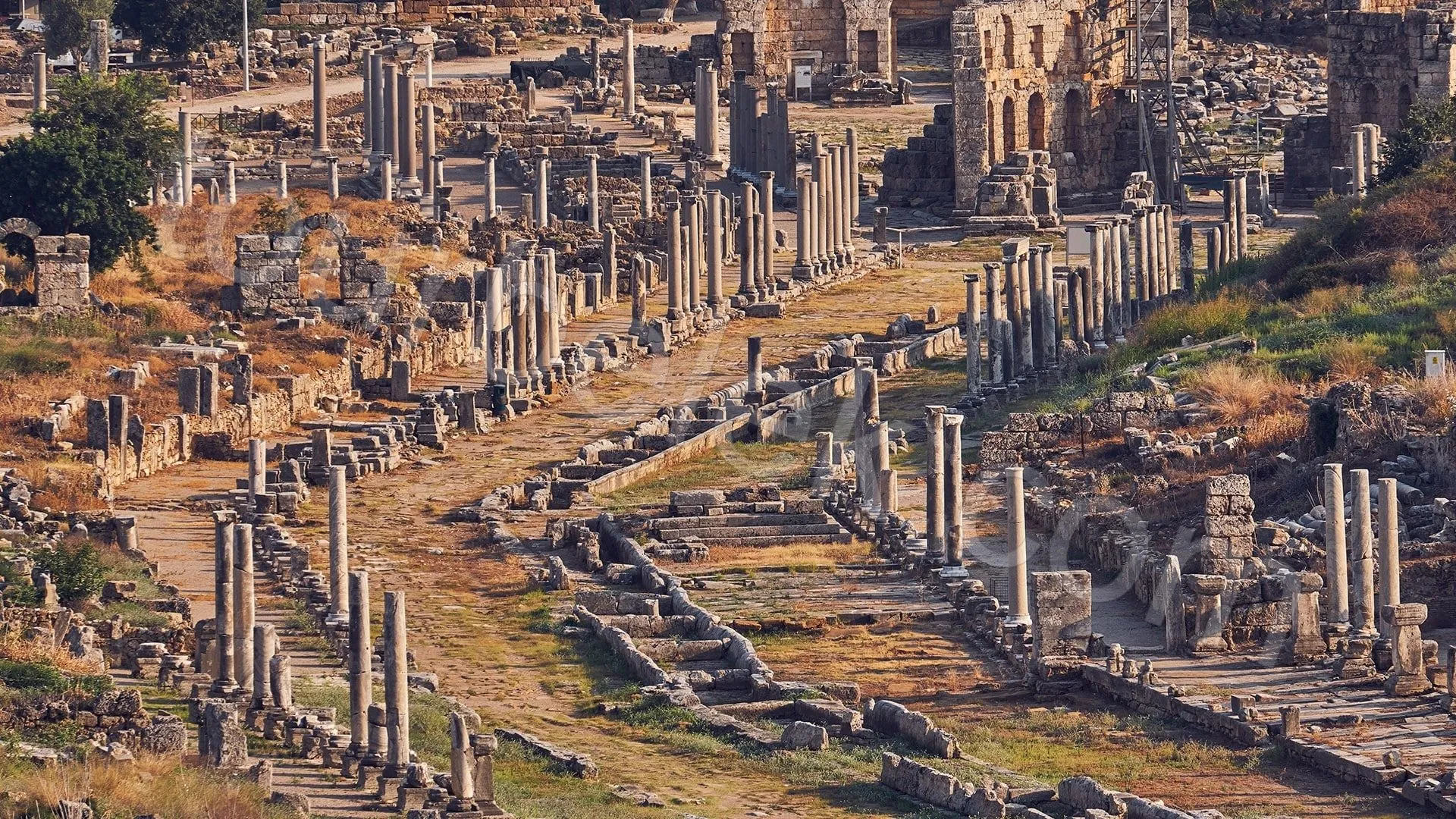
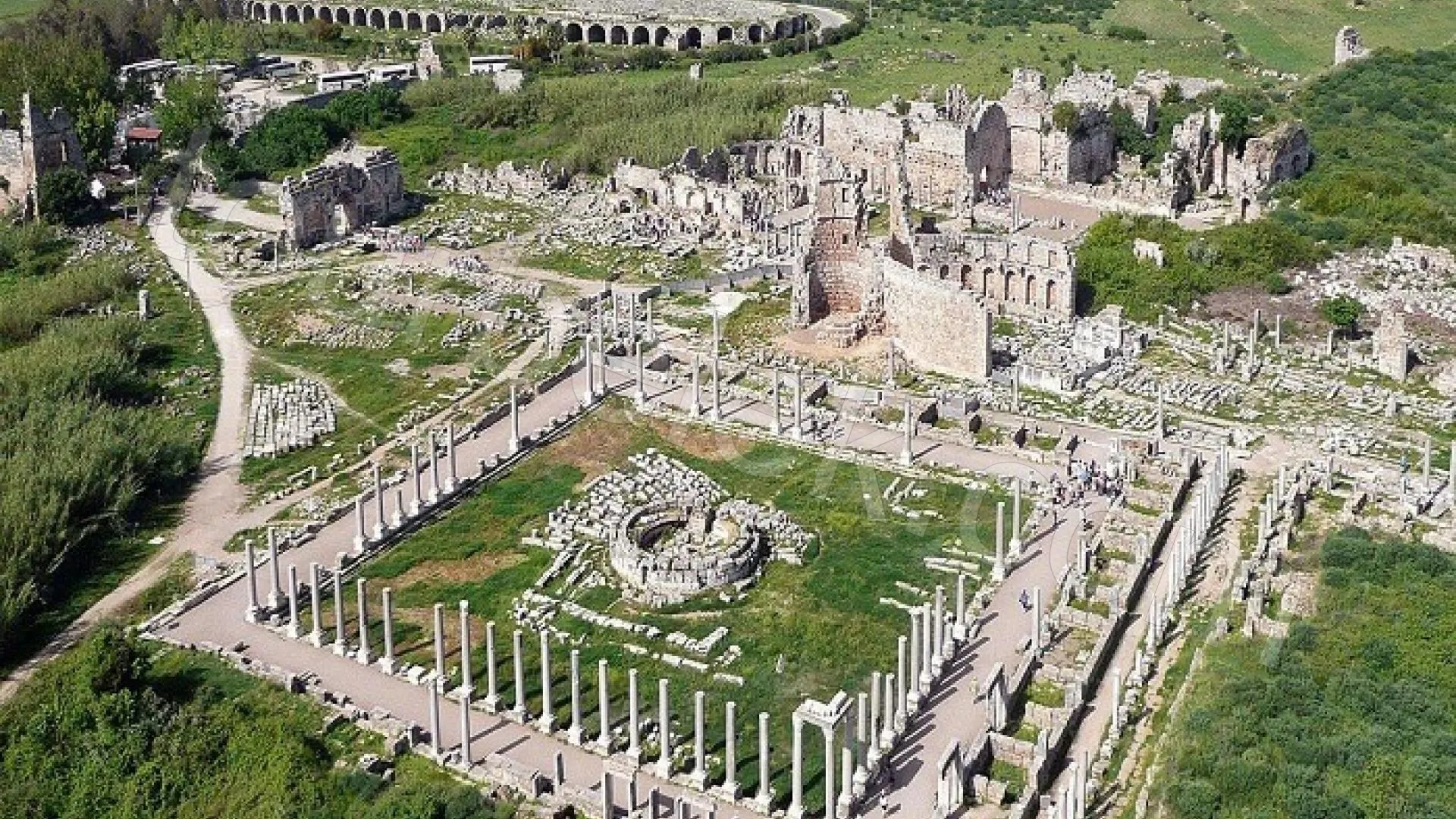
- Guided visit of Perge Ancient City including the colonnaded street, stadium, theatre, Roman baths and agora
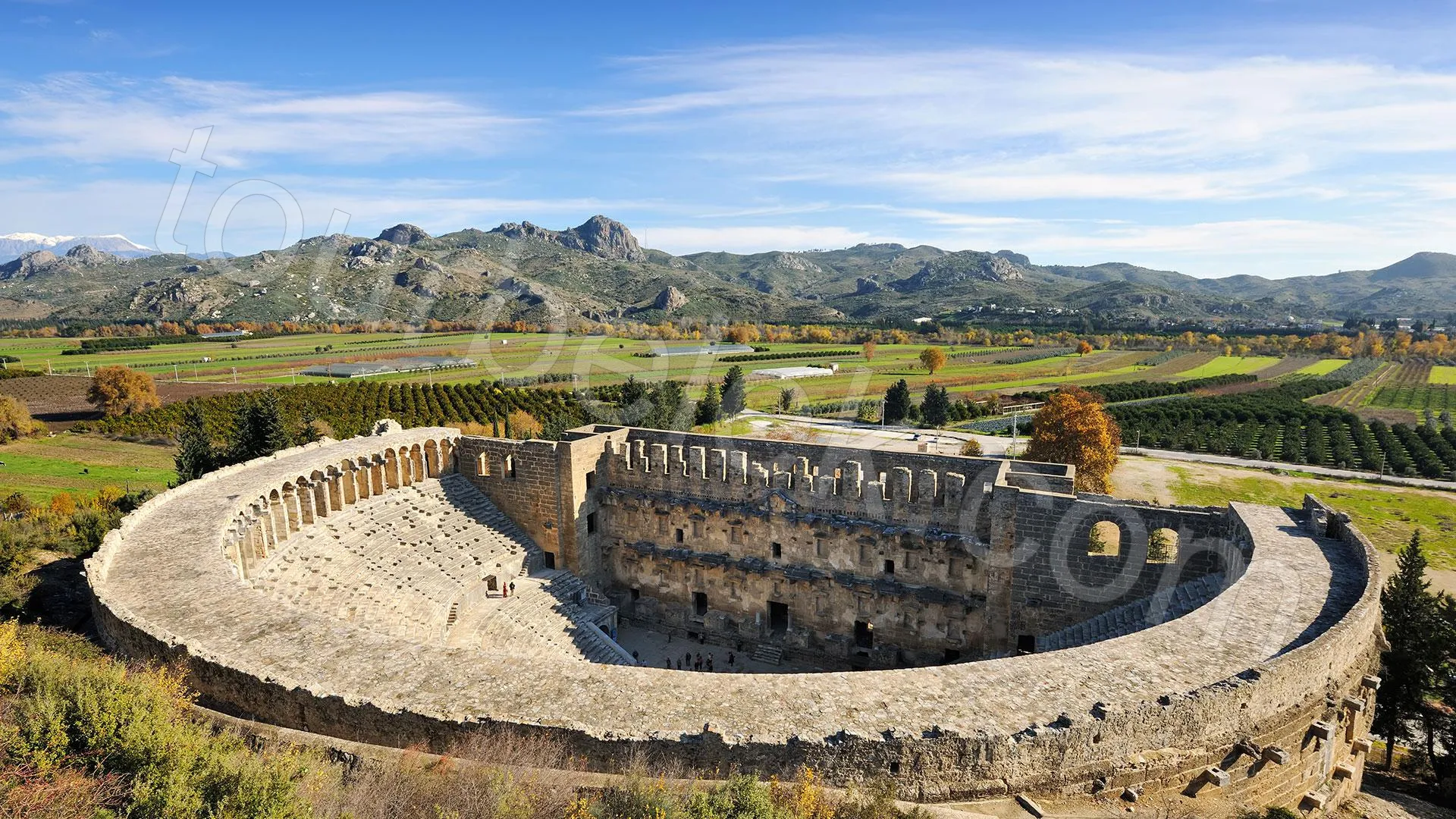
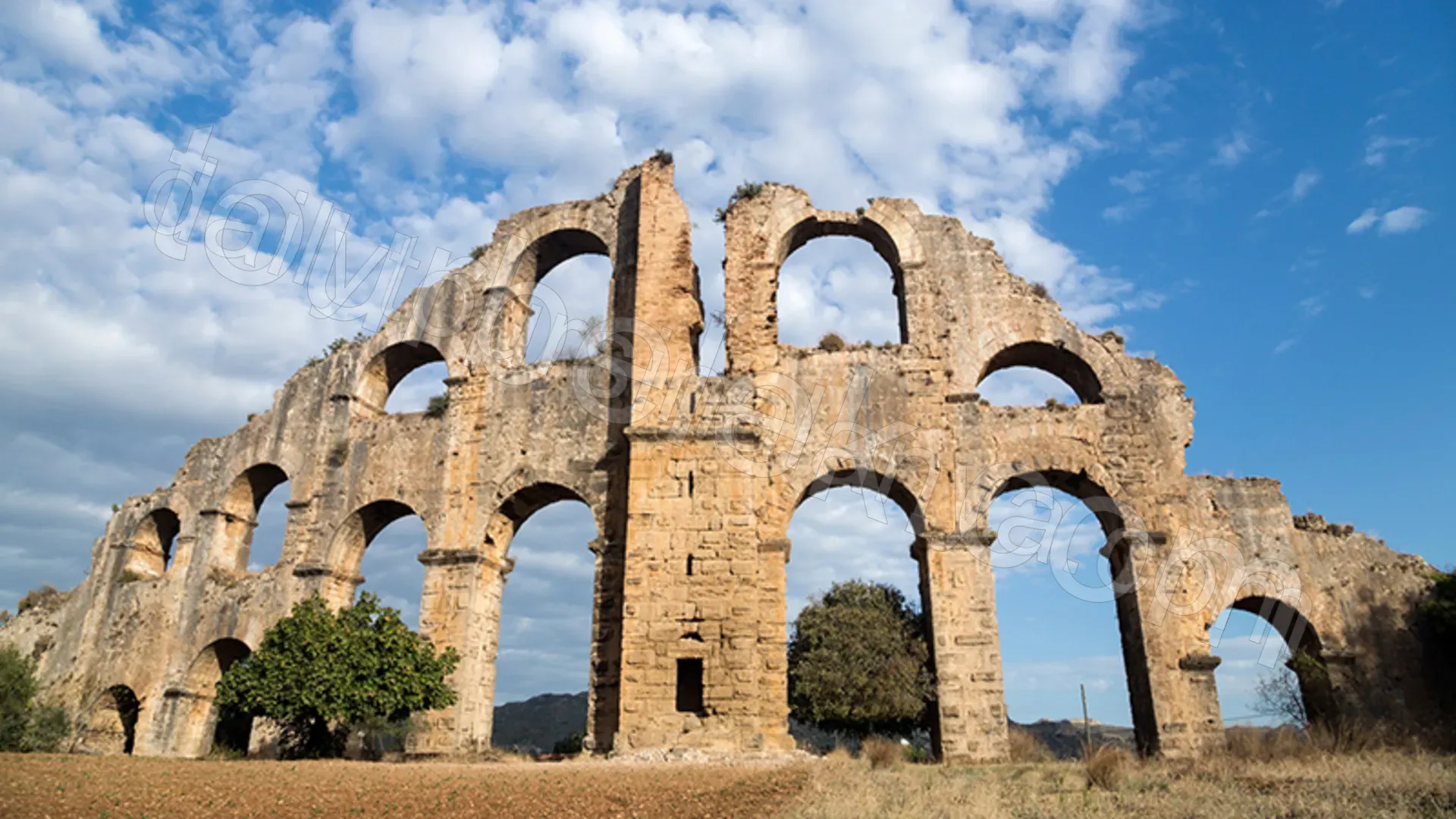
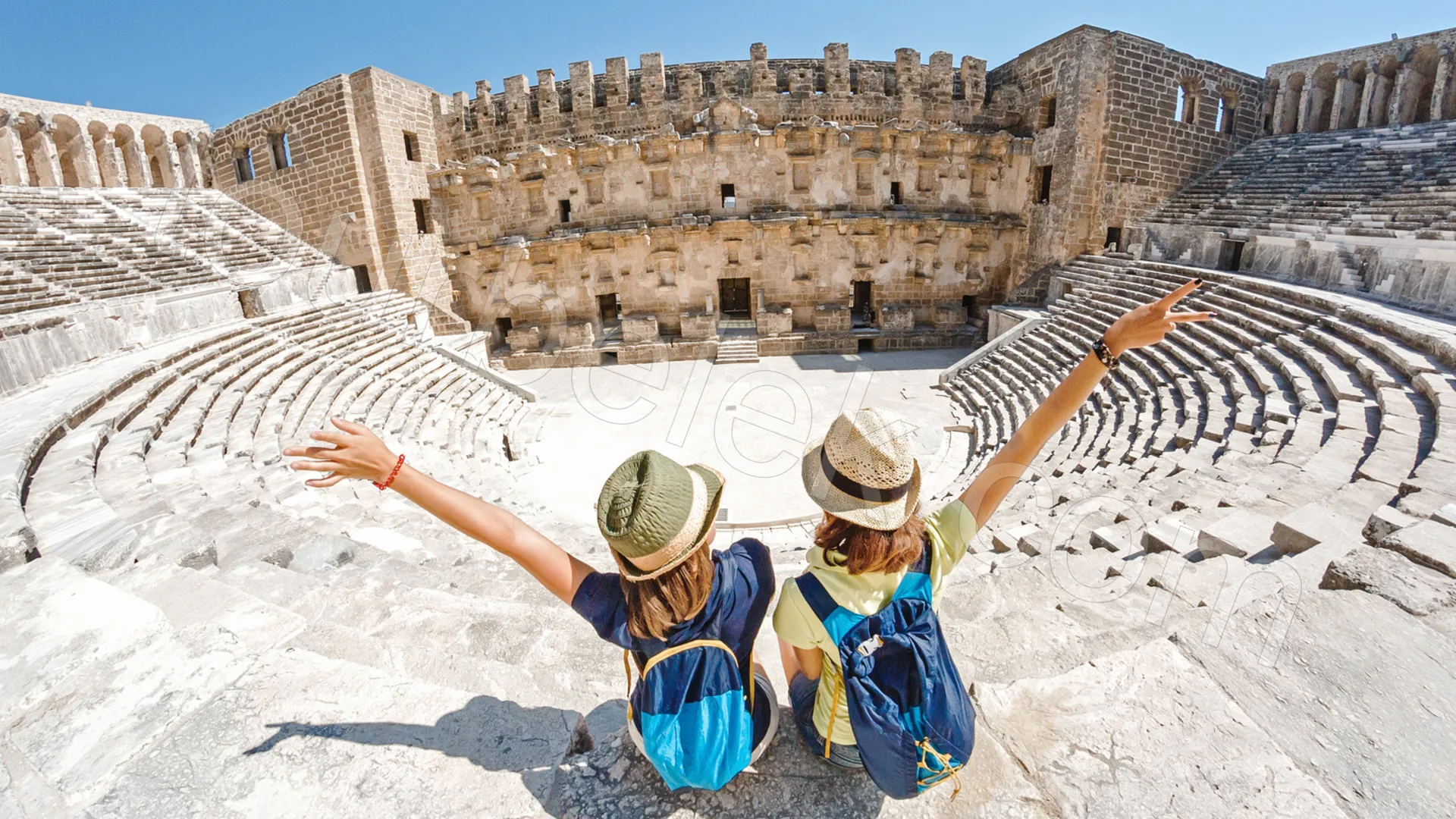
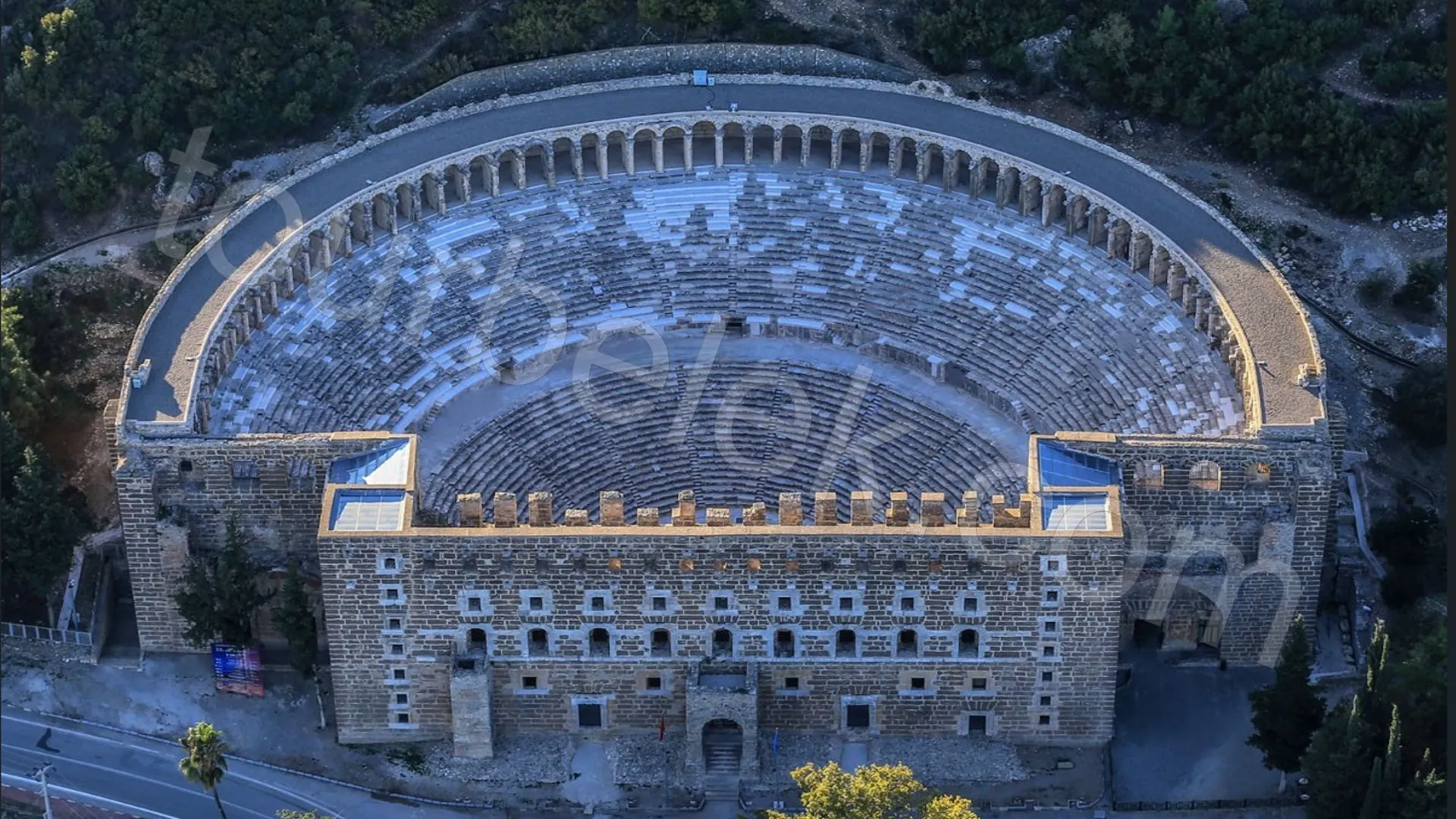
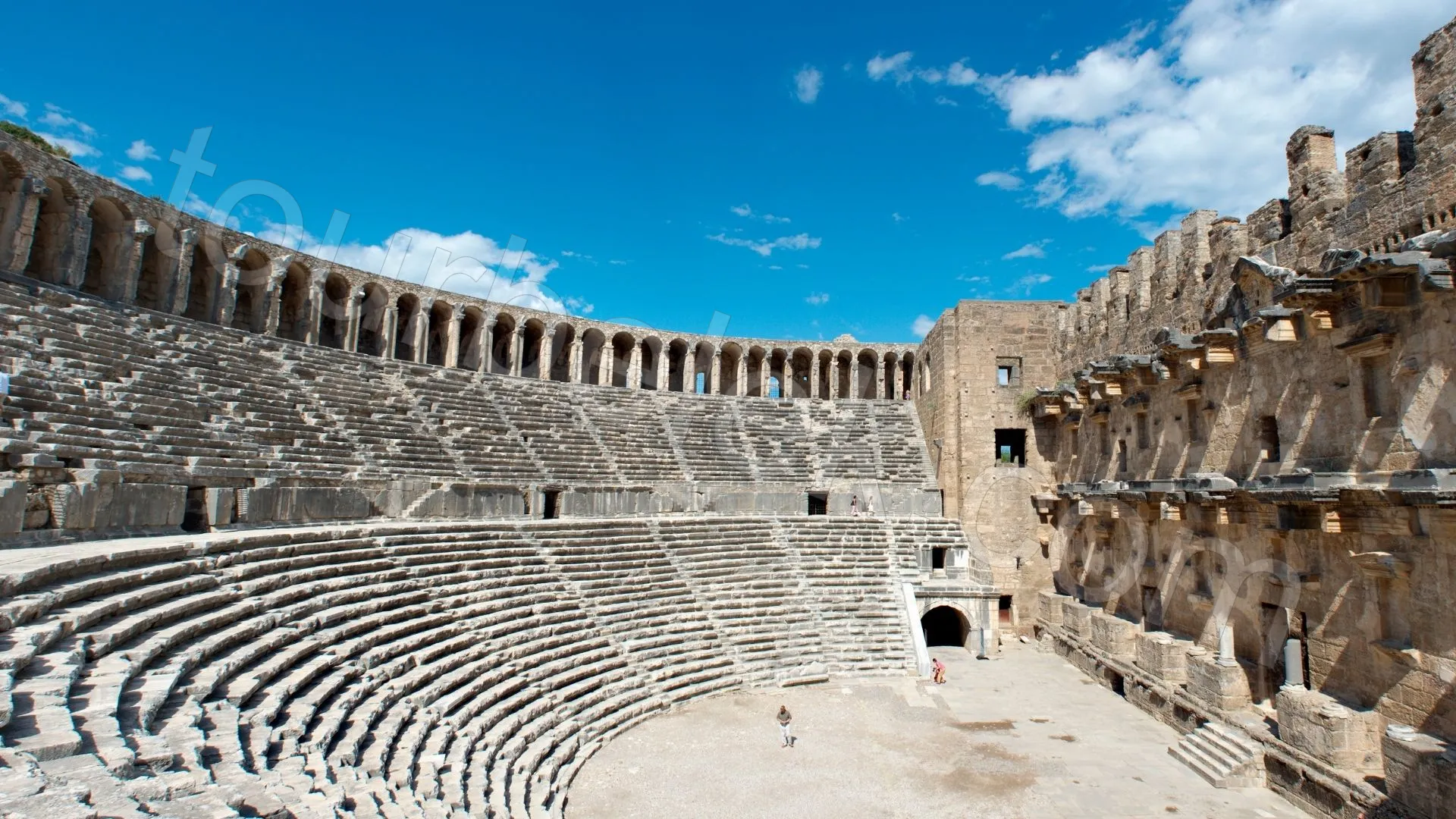
- Visit to Aspendos Ancient Theatre and the Roman Aqueduct
- Lunch break by the Belkis River
- Free time at Side Ancient City with the Temple of Apollo, theatre and old town
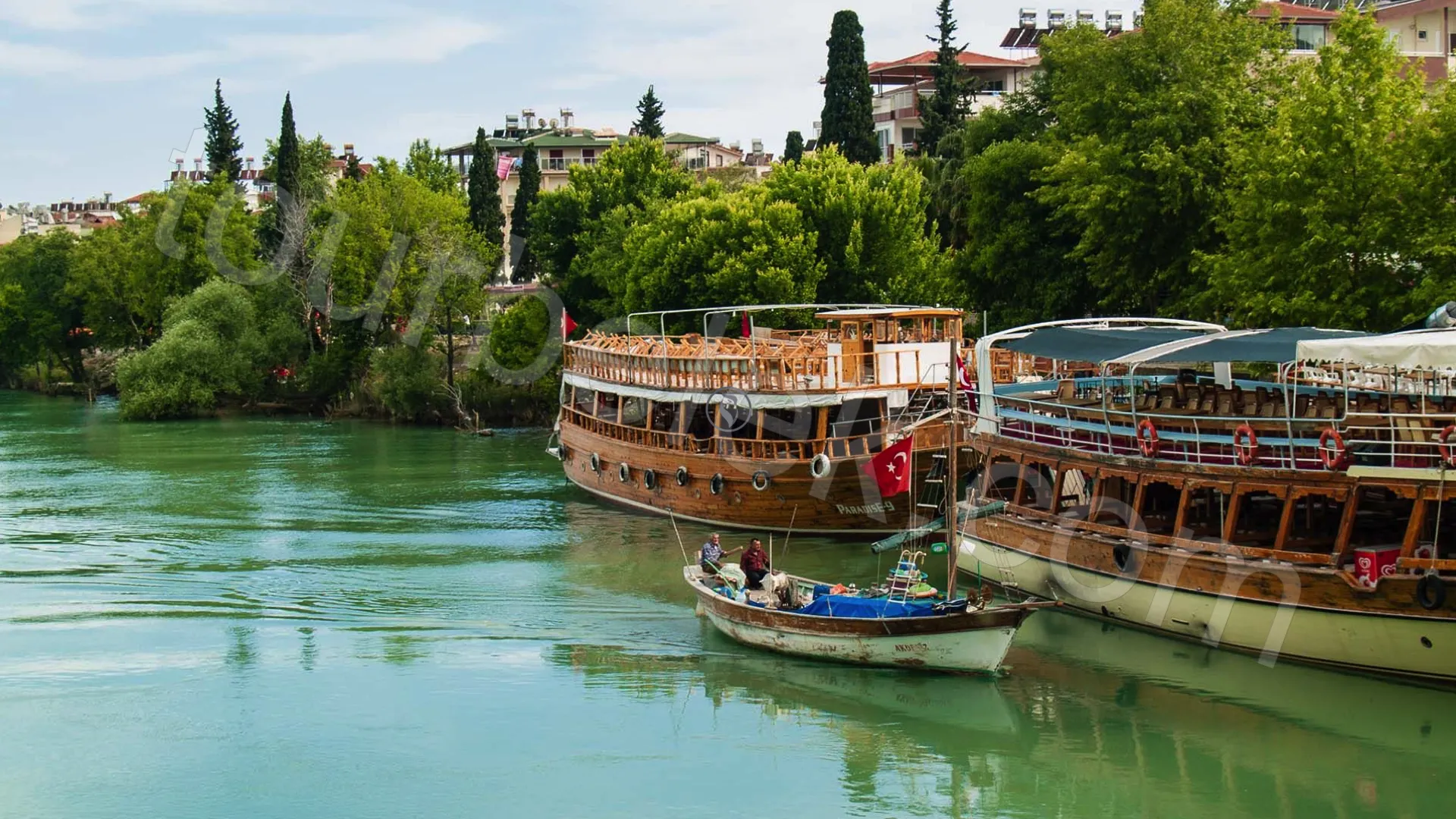
- Photo and relaxation stop at Manavgat Waterfall
- Evening return transfer to hotels in Belek
Things to Keep in Mind
- Stone surfaces at the archaeological sites can be uneven, so wear comfortable non-slip shoes
- Use sun protection during hot months and carry enough water with you
- Reaching the upper tiers of Aspendos Theatre requires a short uphill walk
- Guests with mobility difficulties should be aware that the day involves extensive walking, and some areas may not be wheelchair accessible
- If you have a Museum Pass, bring it along to benefit from additional discounts
- Museum and site entrance fees are not included in the tour price and must be purchased separately
- Payment is made on the tour day in cash (TRY, EUR, GBP, USD) or online, no advance payment is required
- Age-based discounted rates apply for children, ages 0 to 3 join free of charge
- Listening carefully to the guide throughout the day will help you get the most out of each visit
Owerview
Just a short drive from Belek, three ancient cities with thousands of years of history and one of Turkey's best-known natural landmarks are waiting to be explored. The Perge Aspendos Side and Manavgat Waterfall Tour from Belek brings all four destinations together in a single guided day, taking you from Roman stone streets and perfectly preserved theatres to a waterfall framed by lush greenery. It is a route that appeals equally to history enthusiasts, nature lovers and families looking for a meaningful break from the beach.
Throughout the day you will travel across the ancient region of Pamphylia, visiting cities where trade, art and science once flourished side by side. What remains today offers visitors a sweeping cultural panorama stretching from Roman engineering and Hellenistic architecture to early Christian heritage and Seljuk-era bridges. Often referred to as a Belek cultural tour, this excursion goes beyond sightseeing. It helps you understand the civilisations, everyday practices and stories behind the monuments you encounter.
Perge Ancient City
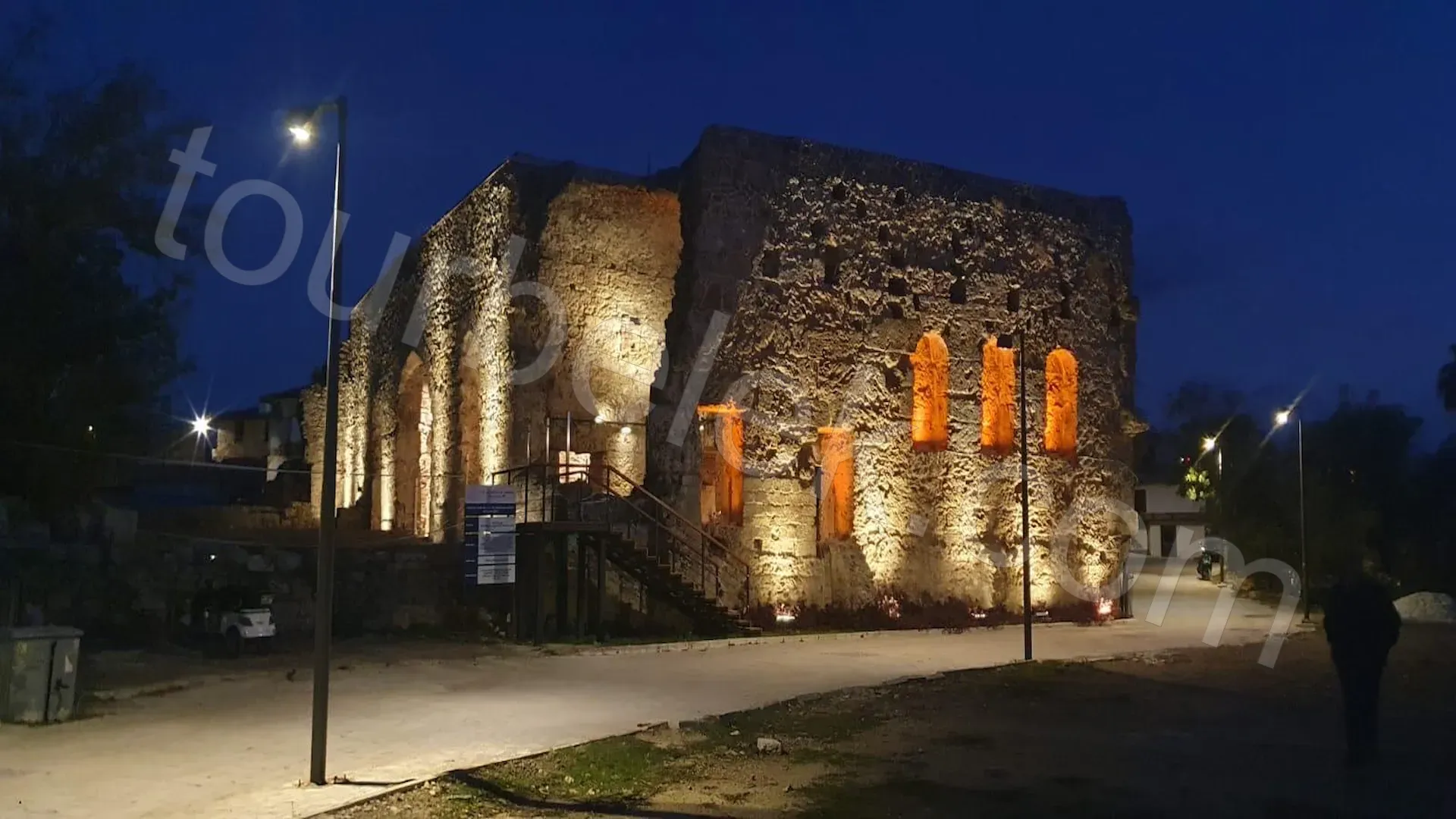
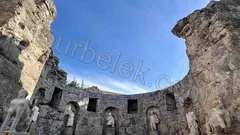
Perge lies in the Aksu district of Antalya, roughly 30 kilometres from Belek. The city's origins reach back to the Late Bronze Age and, according to some sources, even to the Hittite period. Continuously inhabited through the Hellenistic and Roman eras, Perge grew into one of Pamphylia's largest centres of commerce and culture during the Roman Imperial period.
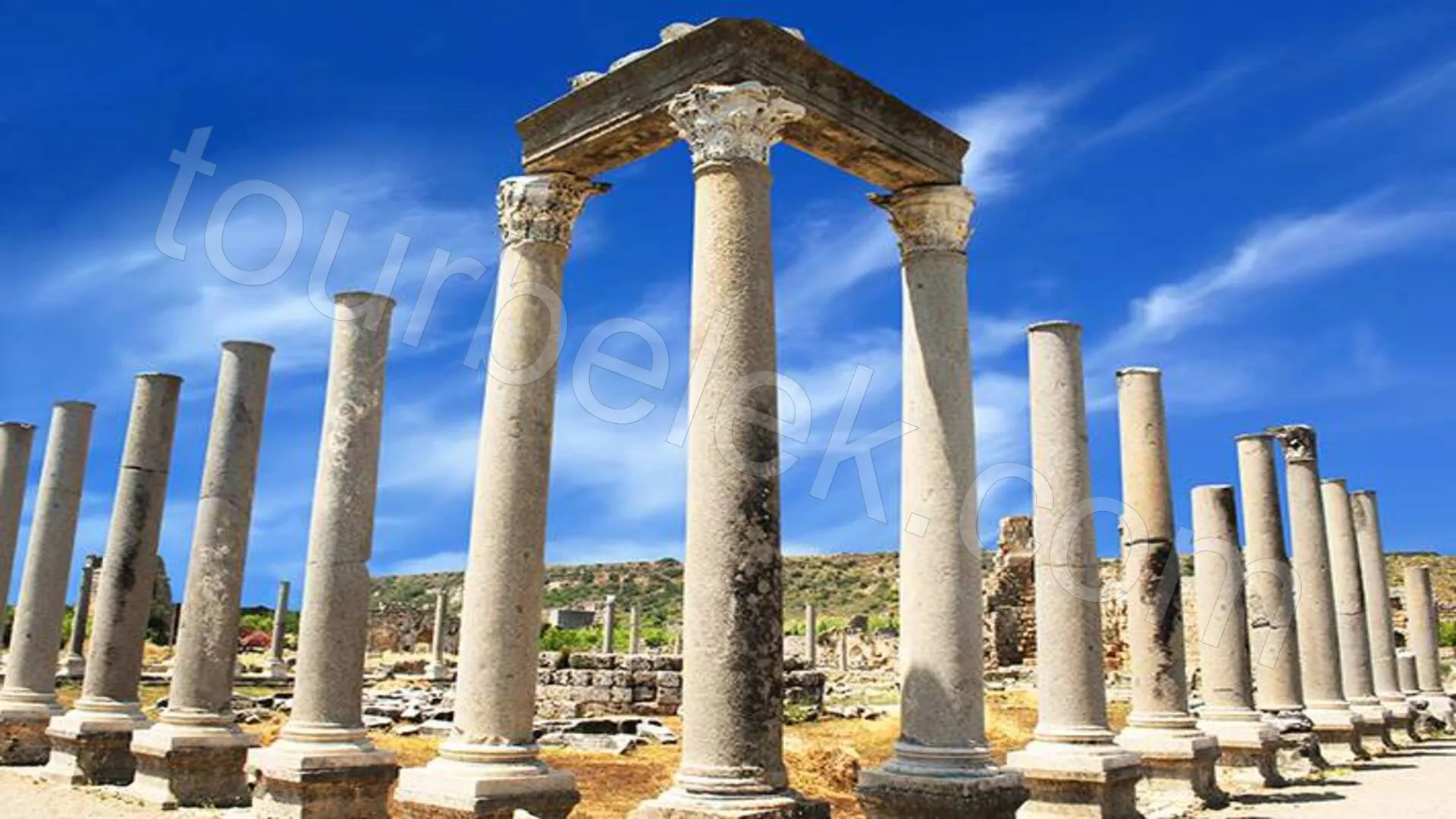
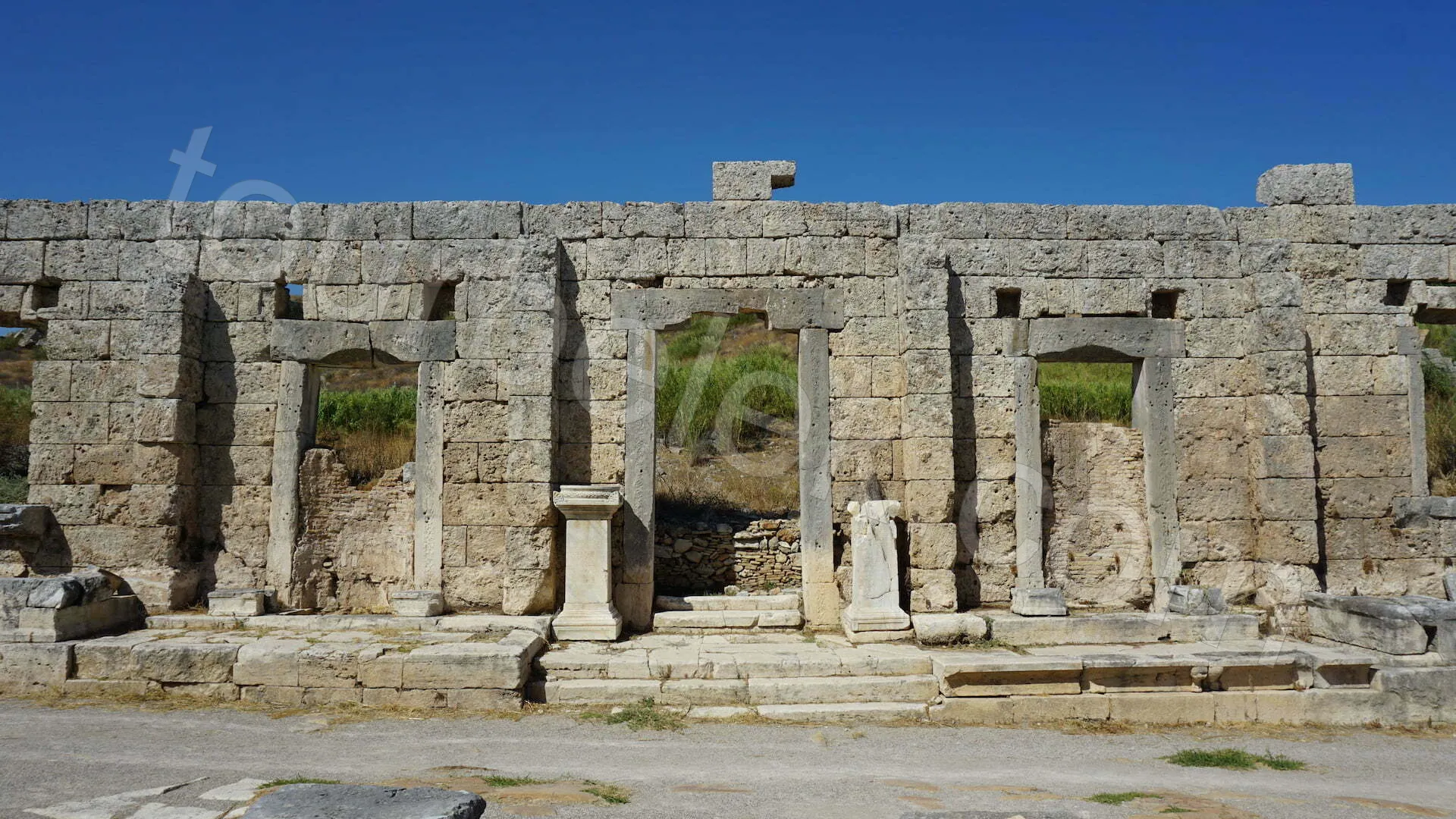
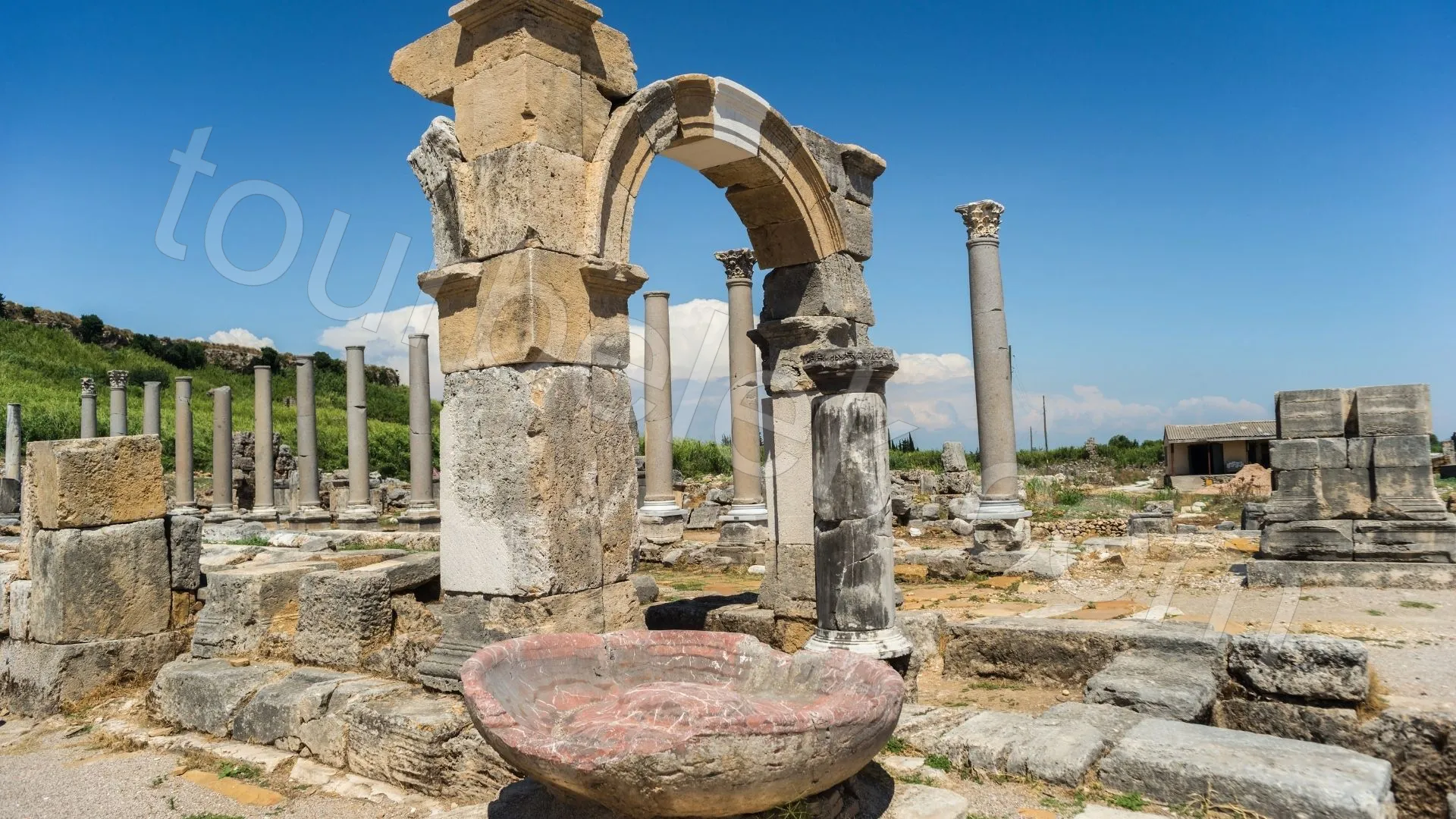
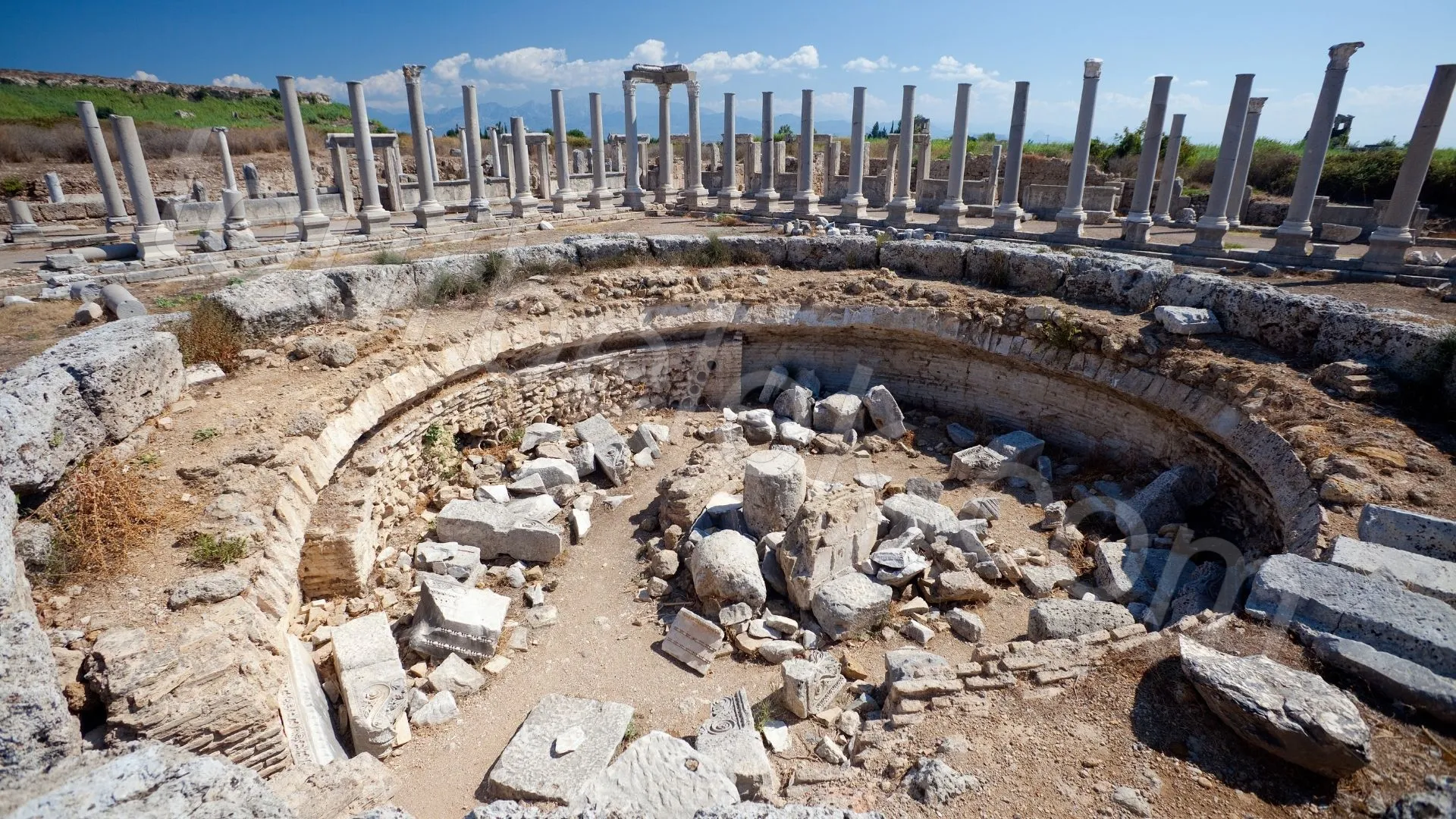
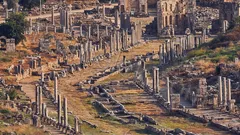
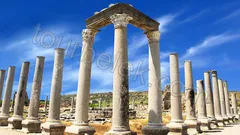
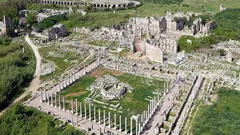
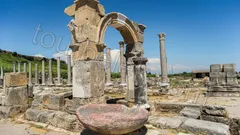
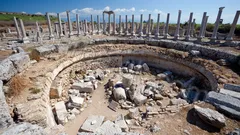
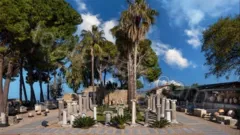
Upon arrival the monumental South Gate greets you, followed immediately by the Hellenistic Gate, both offering early clues about the city's defensive layout. Once inside, a long colonnaded main street with water channels running down its centre paints a vivid picture of Perge at the height of its prosperity. Shop ruins lining both sides of the avenue reveal just how busy a marketplace this once was.
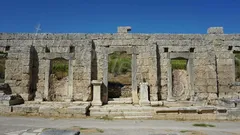
A Perge ancient city excursion from Belek ranks among the most popular stops on any guided day trip, and for good reason: the site is a genuine open-air museum. The stadium is one of Anatolia's largest, with a capacity exceeding ten thousand spectators; shop names carved into the arched passageways around it are still legible today. The theatre, agora, Roman baths, Nymphaeum and Hadrian's Gate count among the other notable structures. Perge is also the birthplace of Apollonius of Perga, the mathematician celebrated for his pioneering work on conic sections such as circles, ellipses and parabolas. In AD 46, the Apostle Paul passed through the city during his missionary journeys, lending Perge added significance in early Christian history.
Aspendos Theatre and Ancient City
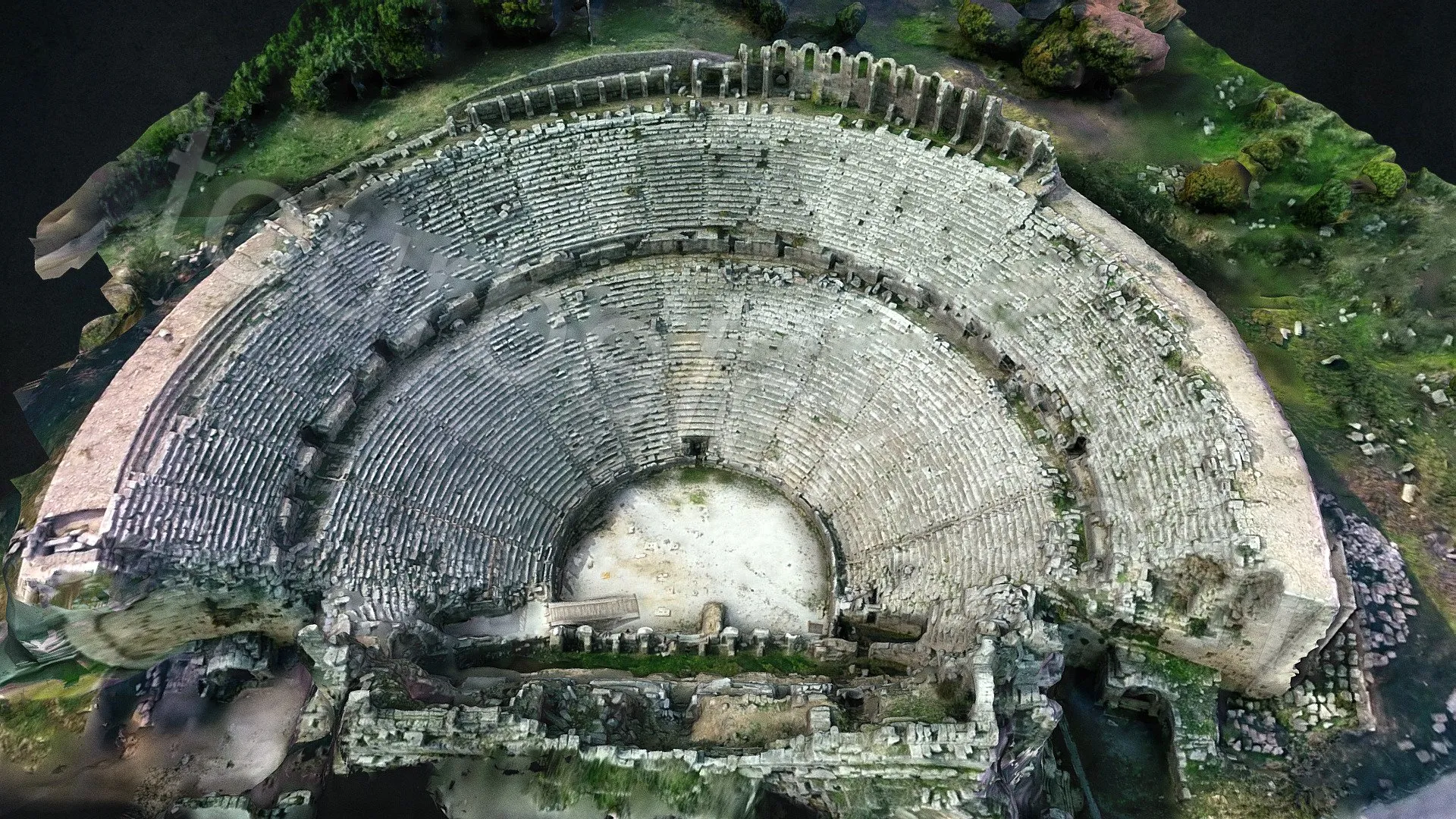
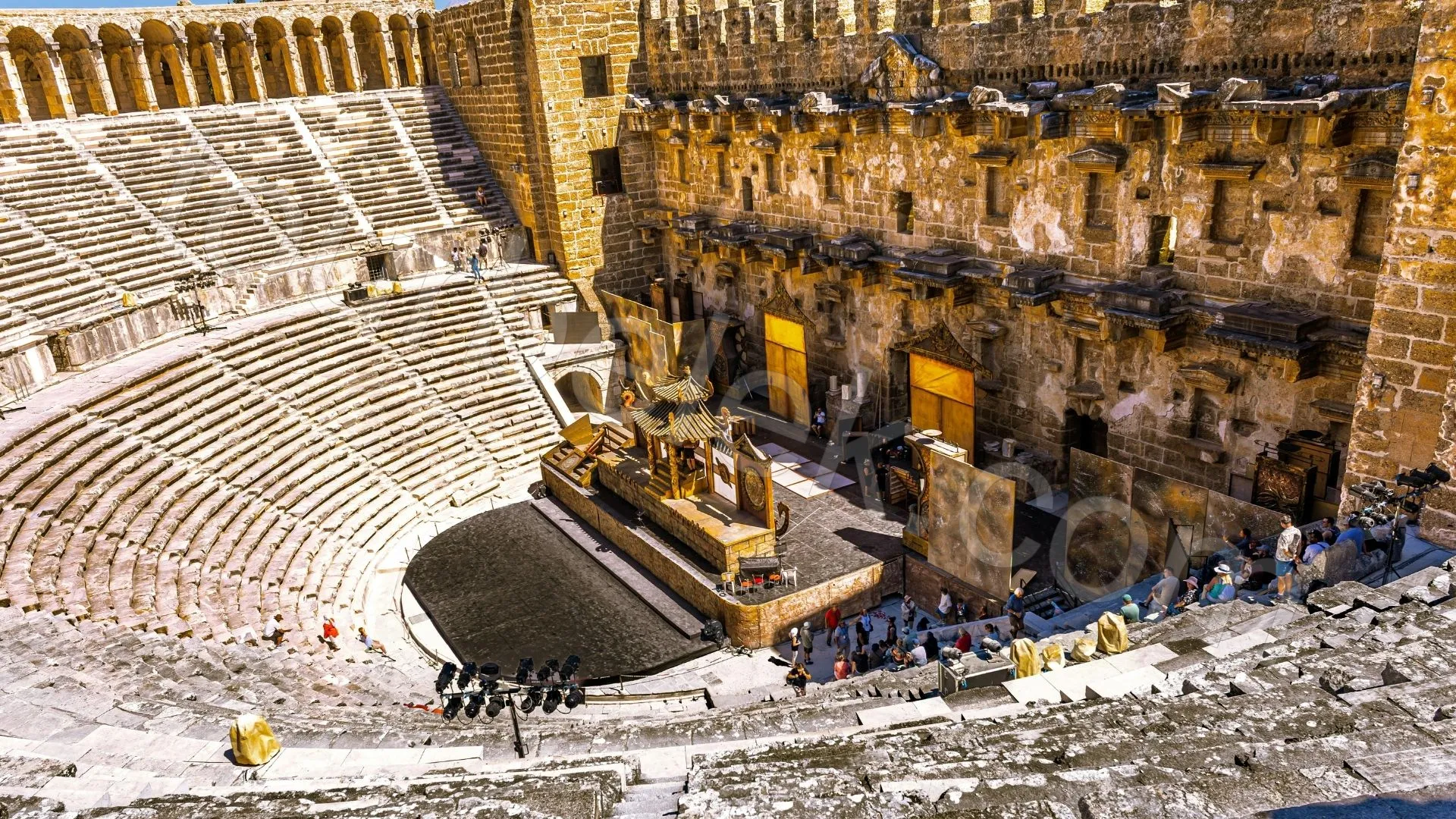
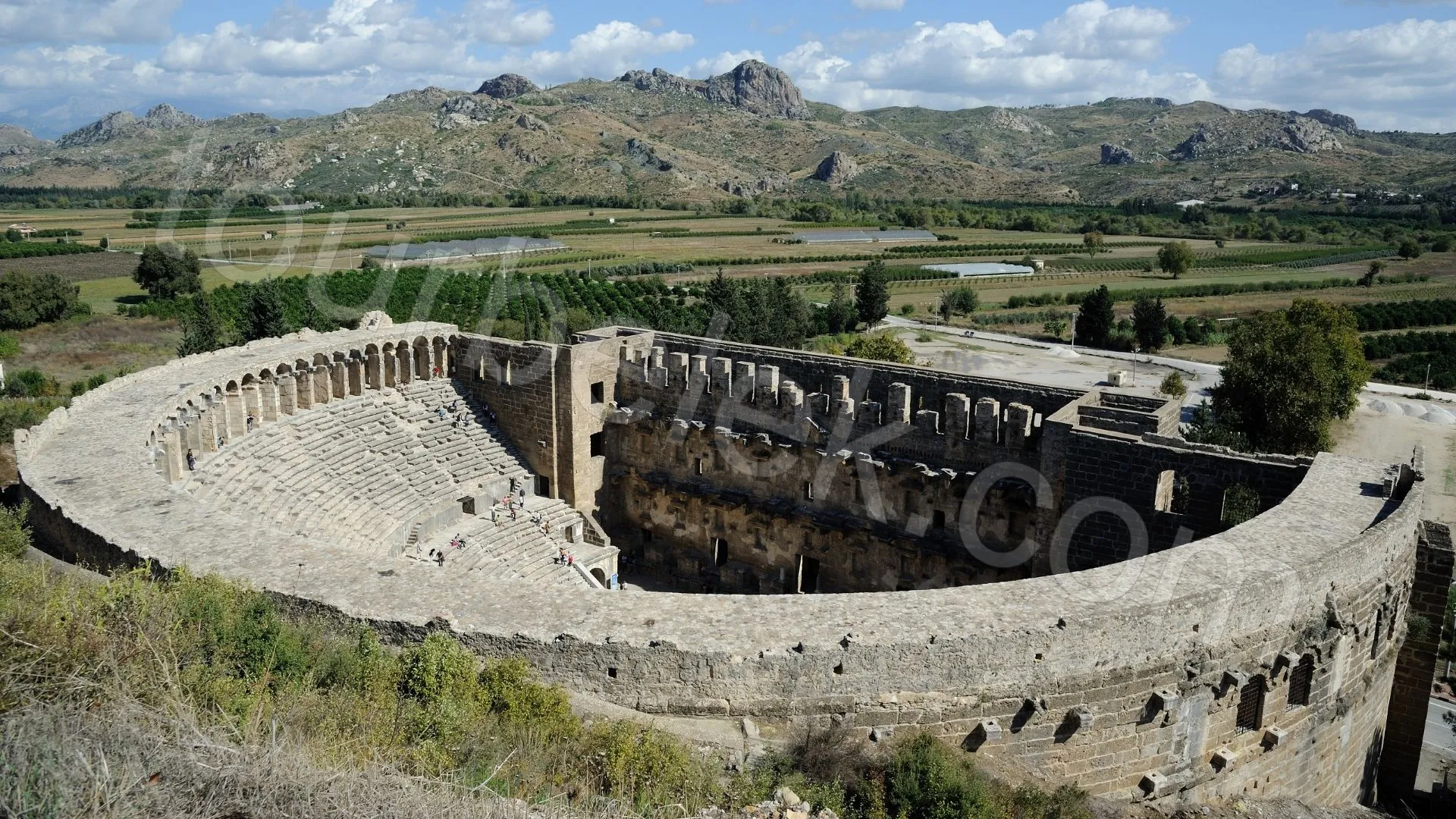
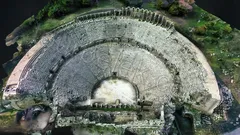
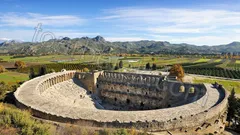
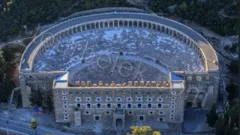
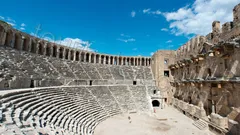
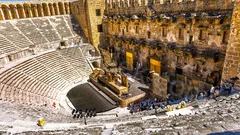
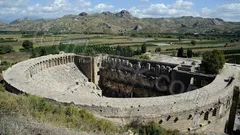
Situated roughly 25 kilometres northeast of Belek near the village of Belkiz in the Serik district, Aspendos is home to one of the most impressive theatre structures of the ancient world. Built in the 2nd century AD during the reign of Emperor Marcus Aurelius by the architect Zenon, Aspendos Theatre seats 15,000 and is widely regarded as one of the best-preserved Roman theatres on the planet.
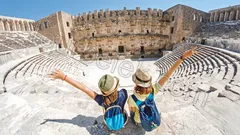
The structure's most striking feature is its extraordinary acoustics. The stage wall (scaenae frons) survives almost intact, and even a whisper on stage can be heard clearly from the very top row. Thanks to this acoustic perfection the theatre is still used today for concerts, opera, ballet and festival performances. The Aspendos theatre Belek day trip is a highlight for virtually every visitor because the experience goes beyond viewing ruins; it is a meeting with a living performance venue that has been in use for nearly two millennia.
Beyond the theatre, the agora remnants, basilica foundations and ancient acropolis at Aspendos are all worth exploring. Nearby, the Seljuk-era Aspendos Bridge with its arched stonework serves as a popular photo spot and a reminder that the region's historical layers extend well beyond the Roman period.
The Roman Aqueduct
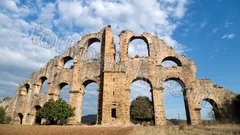
Running from the hills north of Aspendos down to the city, the Roman aqueduct is one of the most striking feats of ancient engineering in the area. Because the elevation difference between the water source and the city was minimal, the aqueduct had to stretch approximately 30 kilometres and included 22 bridges and 16 tunnels along its route. These figures vividly illustrate how Roman engineers adapted to challenging terrain. Several sections of the aqueduct still stand and can be visited on a short walk after leaving the theatre.
Side Ancient City
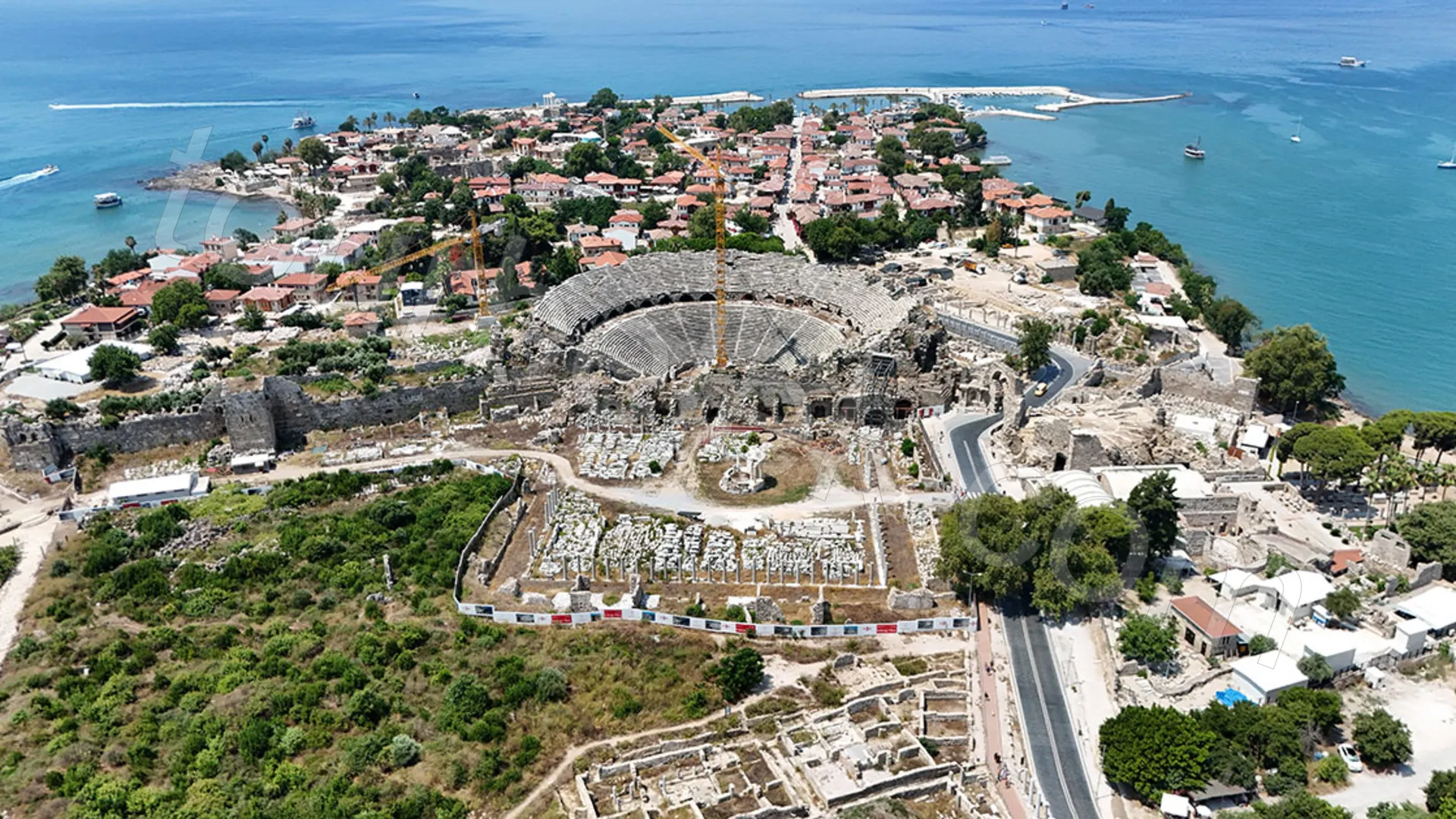
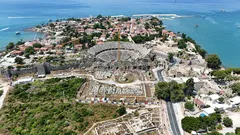
Roughly 45 kilometres from Belek, Side occupies a narrow peninsula stretching into the Mediterranean, approximately one kilometre long and 400 metres wide. From the 8th century BC onward the city was ruled in succession by Lydians, Persians, Greeks and Romans, making it one of antiquity's most strategically significant harbour towns. The name Side comes from an ancient Anatolian language and means "pomegranate", a symbol of abundance and fertility that remains the city's emblem to this day, appearing on souvenirs and restaurant signs throughout the old town.
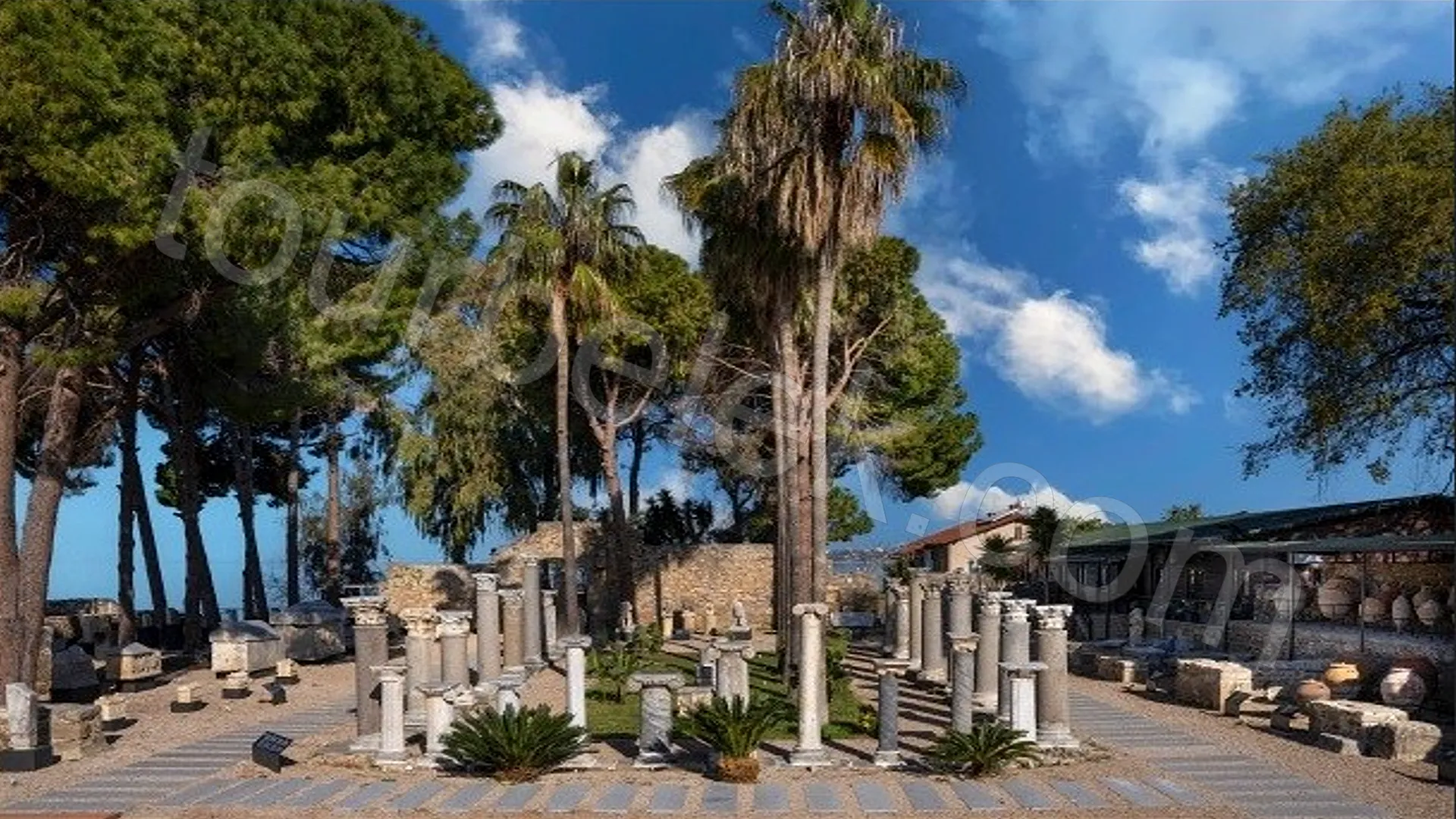
The Side ancient city Belek route is arguably the most colourful stop of the day because ancient and modern life are completely intertwined here. Restored old houses along narrow lanes now serve as cafés, restaurants and boutique shops. Glass panels set into the pedestrian streets reveal excavated ruins beneath, turning the town into a multi-layered time capsule you can literally walk over.
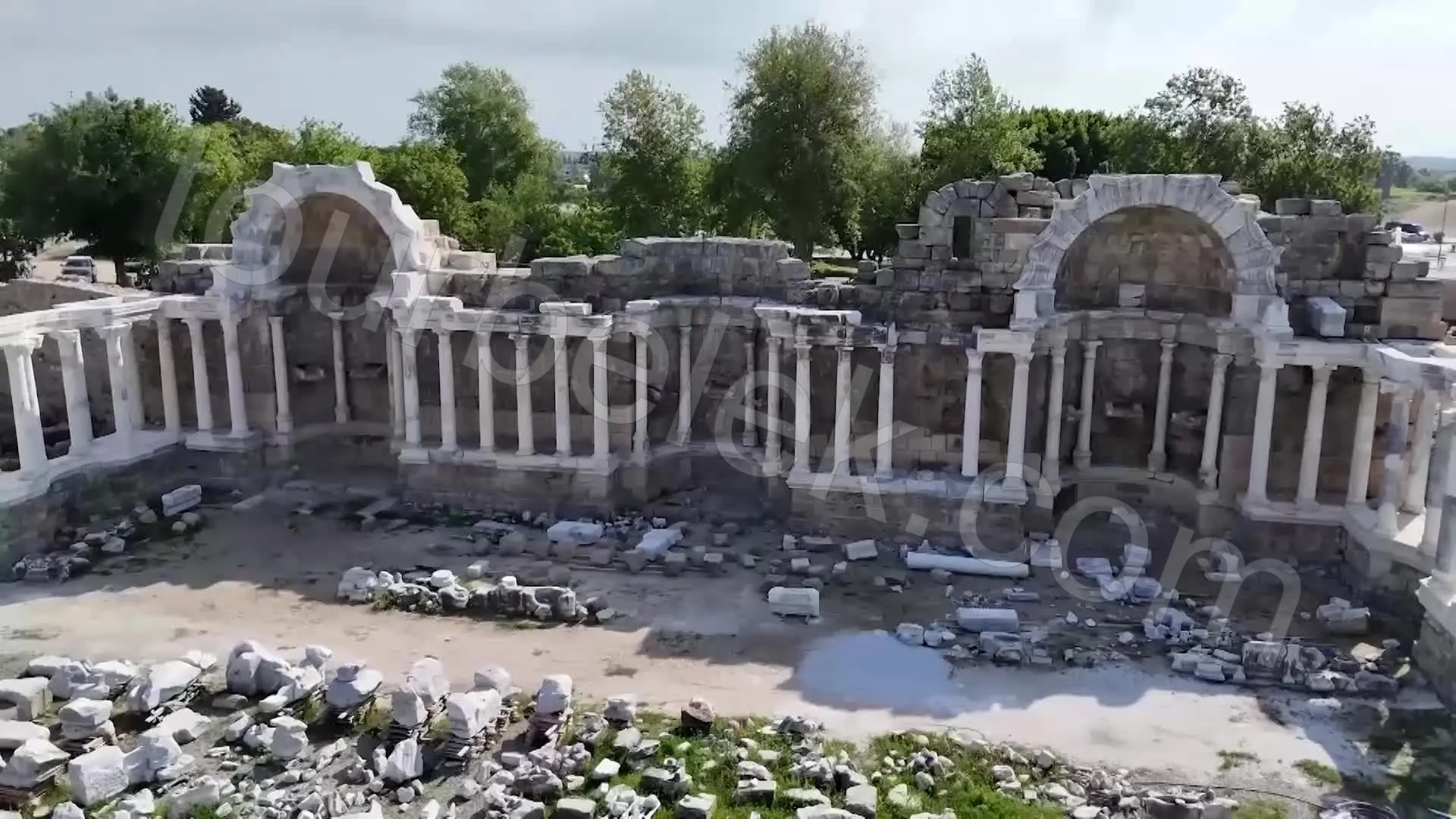
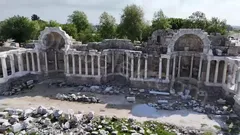
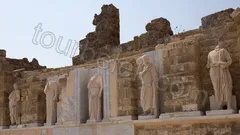
Key structures within the city include the large Roman theatre, agora, baths, the monumental Nymphaeum fountain, colonnaded streets, defensive walls and city gates. The theatre was later repurposed as an open-air place of worship during the Byzantine era, carrying the traces of multiple civilisations in a single building.
- The theatre, agora and baths reflect Roman urban planning at its finest
- Colonnaded streets and the Nymphaeum showcase the city's advanced water and infrastructure engineering
- Glass floor panels let you observe excavation remains beneath the modern walkways
- Two beaches flank the peninsula on its east and west sides, both accessible directly from the ancient city
- The coastal promenade is softly illuminated in the evening and ideal for a seaside break
Temple of Apollo
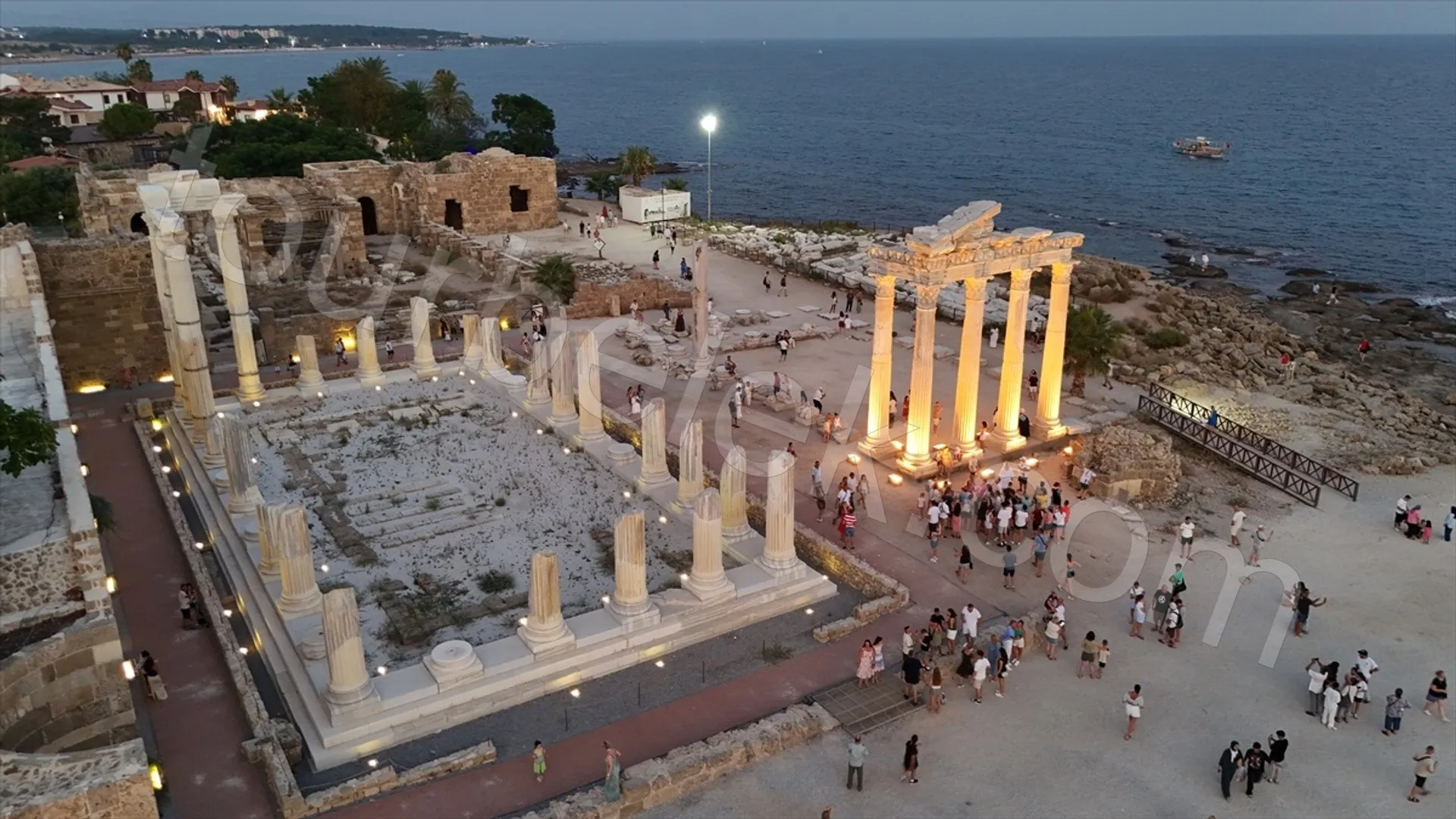
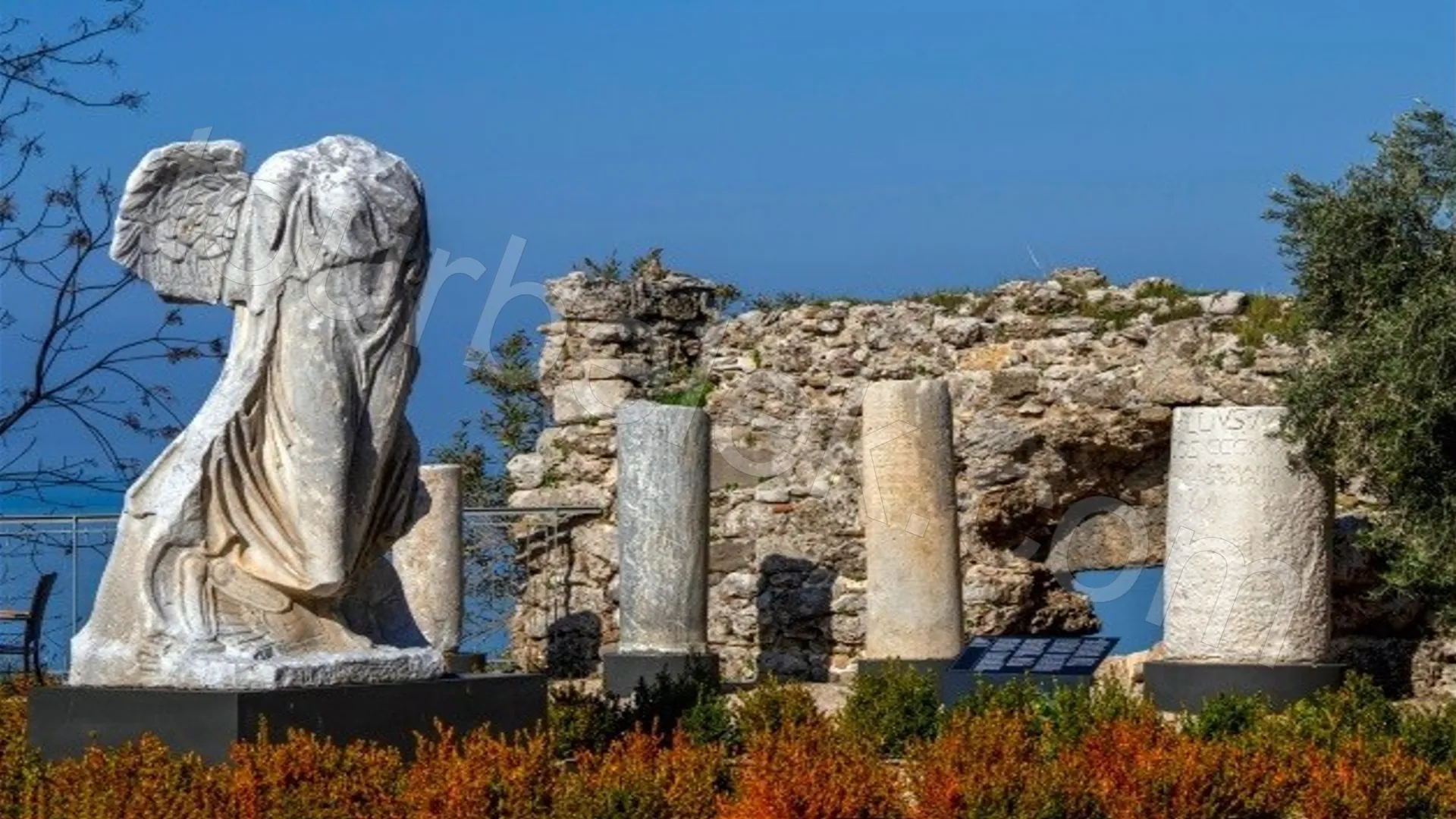
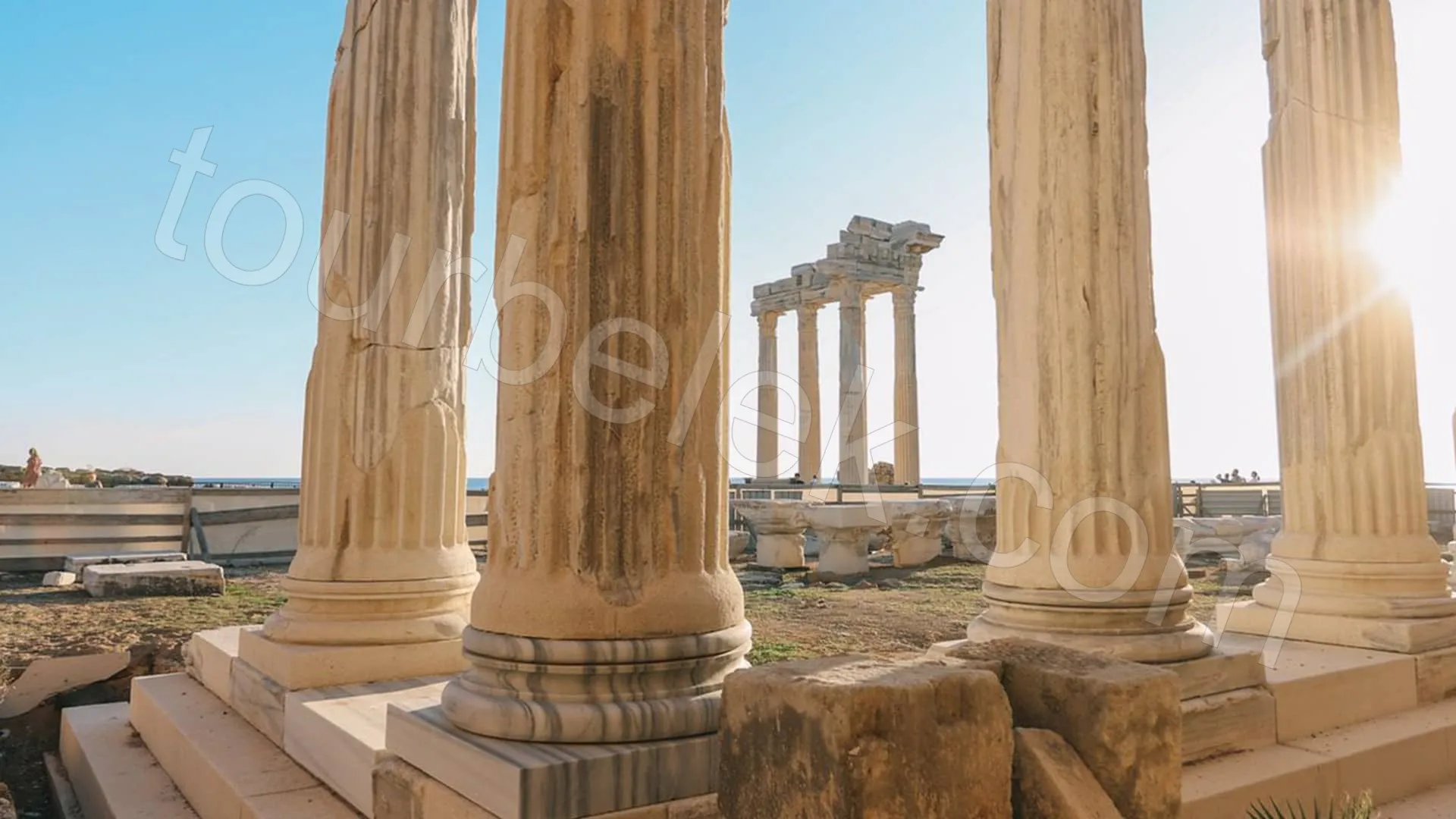
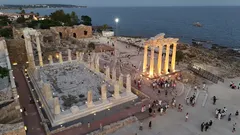
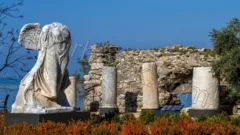
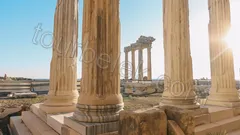
Side's most iconic monument, the Temple of Apollo, was built around AD 150 during the Pax Romana. Dedicated to Apollo, the god of light, music, poetry and healing, the temple originally featured 11 columns on each long side and 6 on each short side. Several of those columns still stand today, some re-erected during restoration work in the 1980s. The surviving columns facing the sea create a particularly captivating silhouette at sunset, making the temple the most romantic and most photographed spot in Side. Its proximity to the harbour, combined with the sea breeze, creates an atmosphere visitors are reluctant to leave.
Side Archaeological Museum
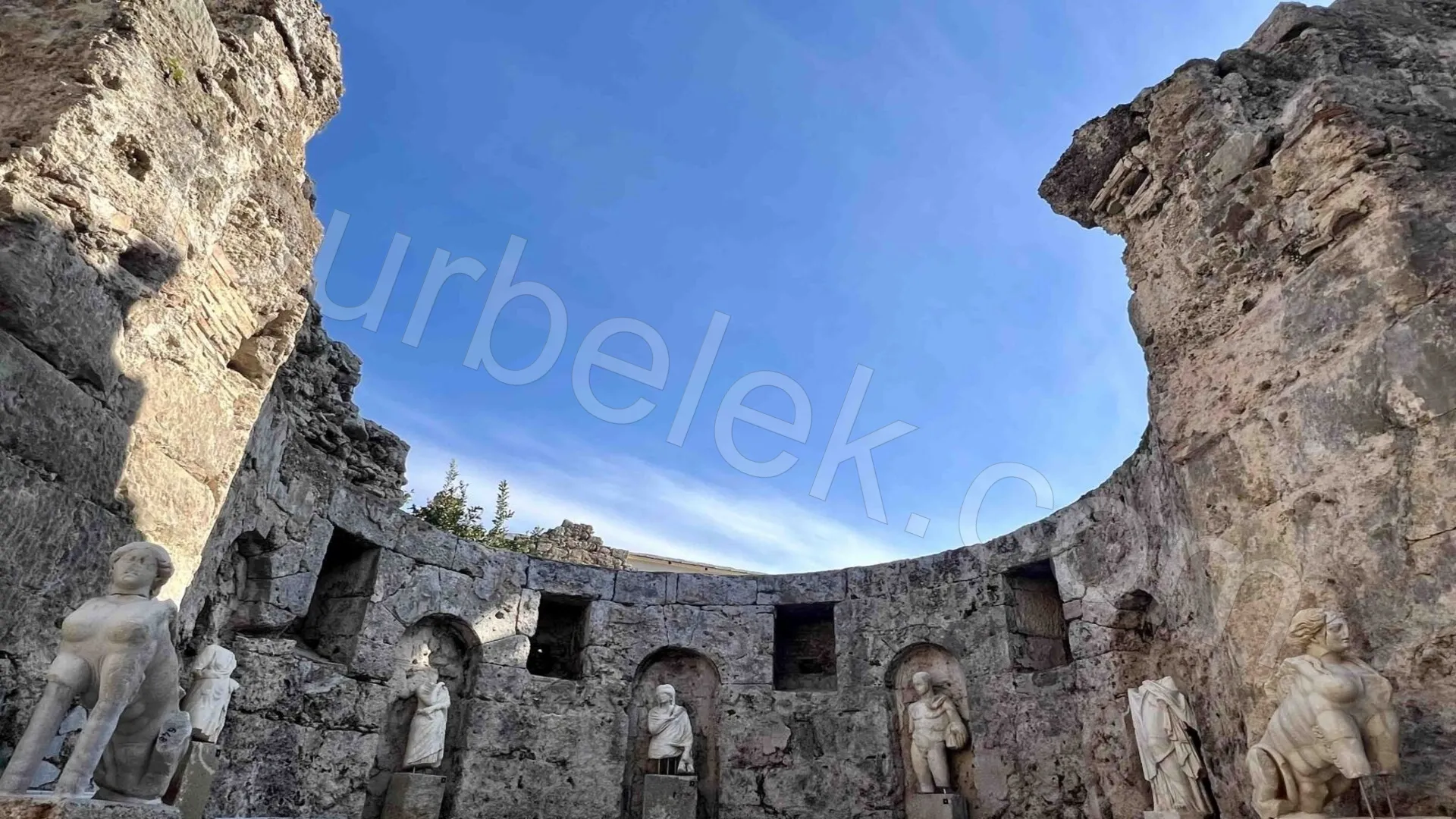
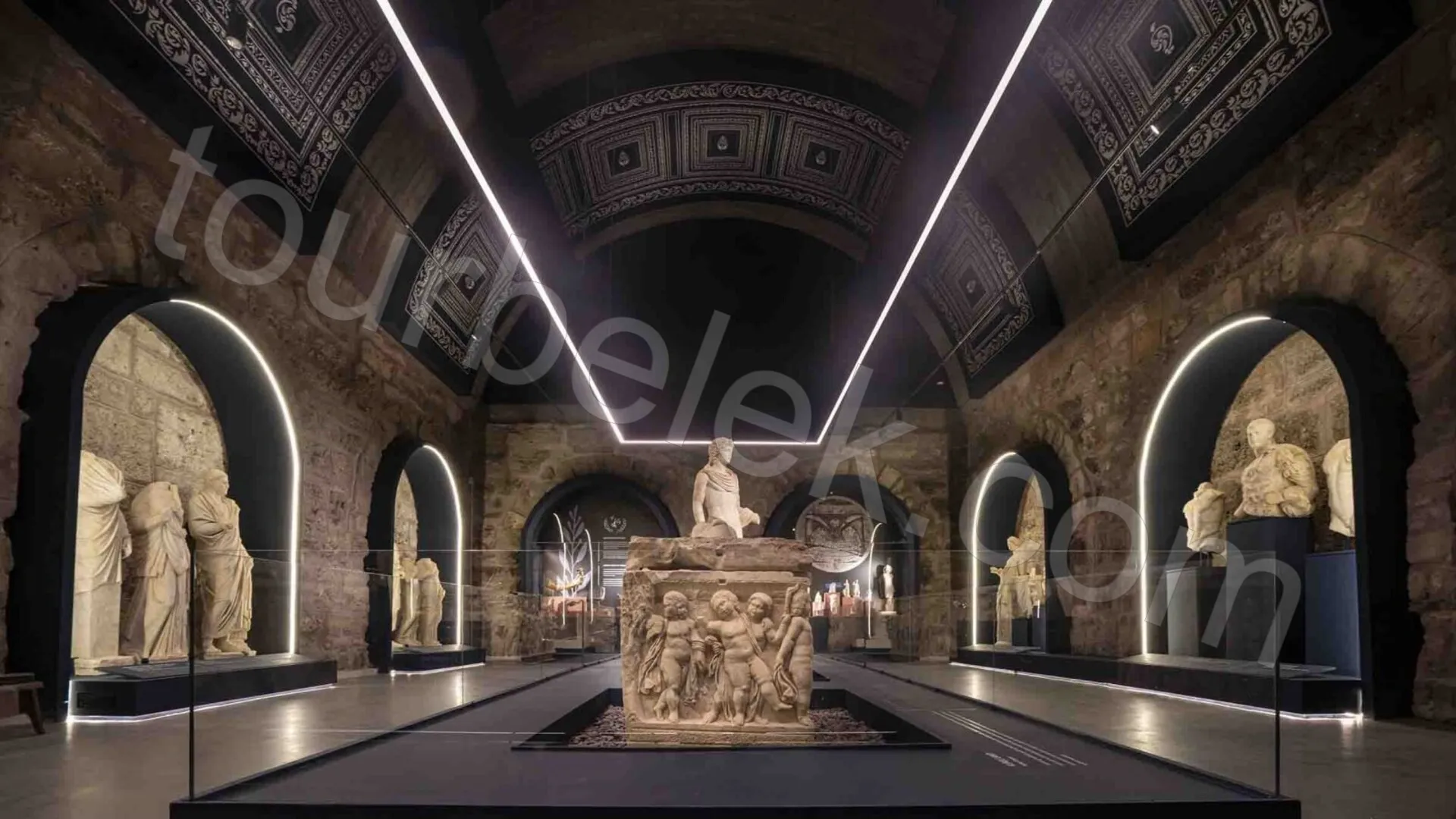
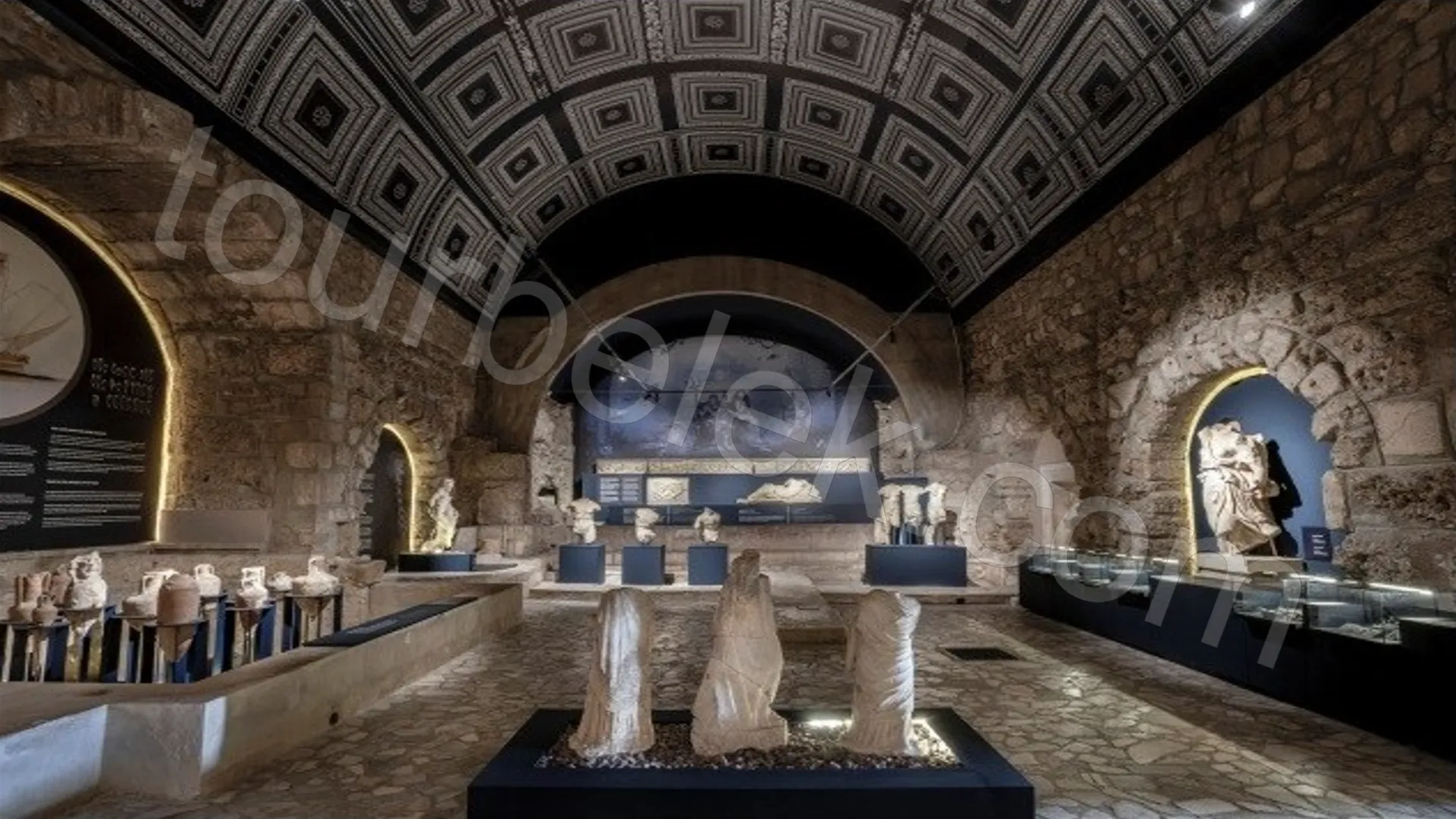
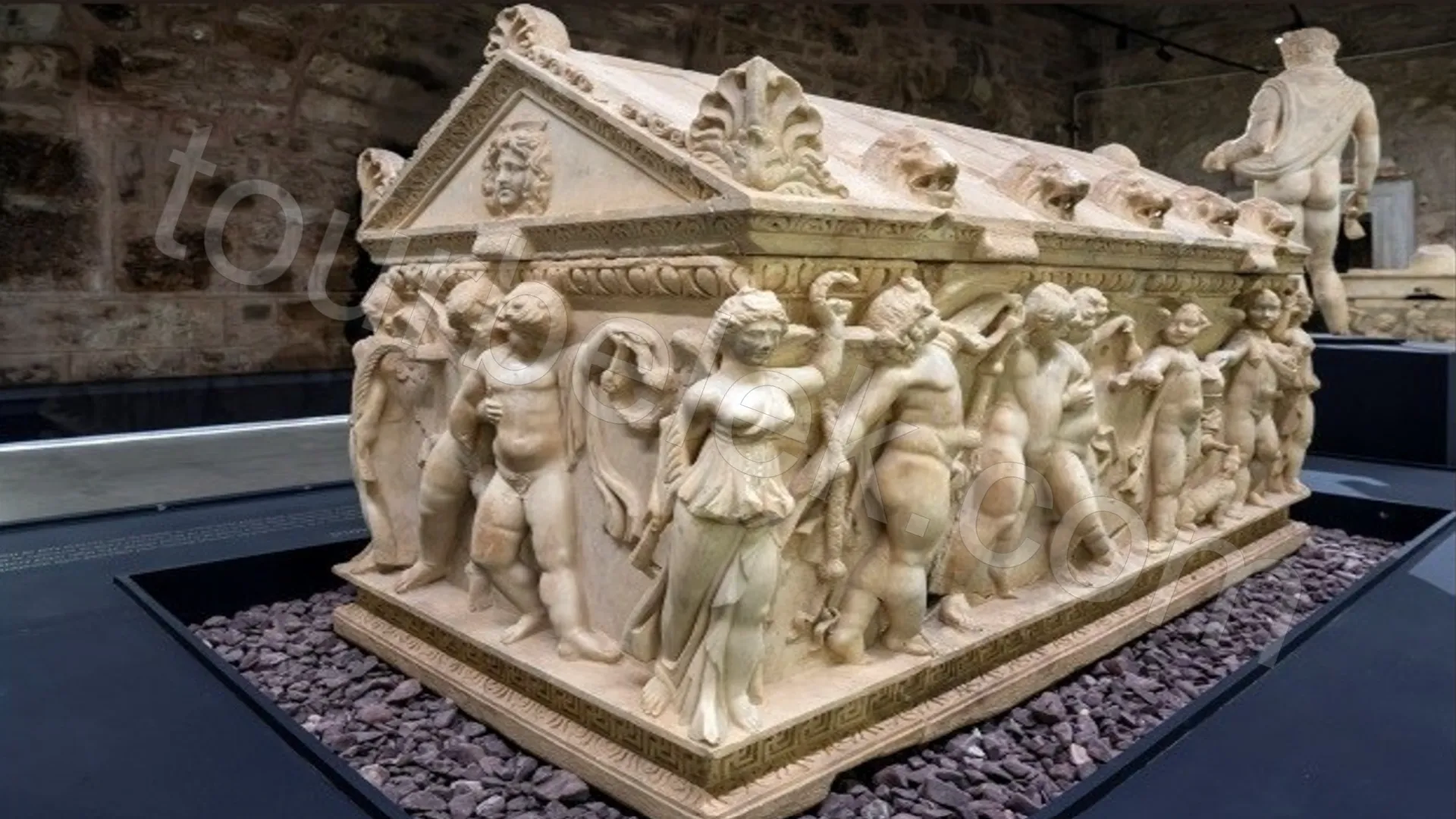
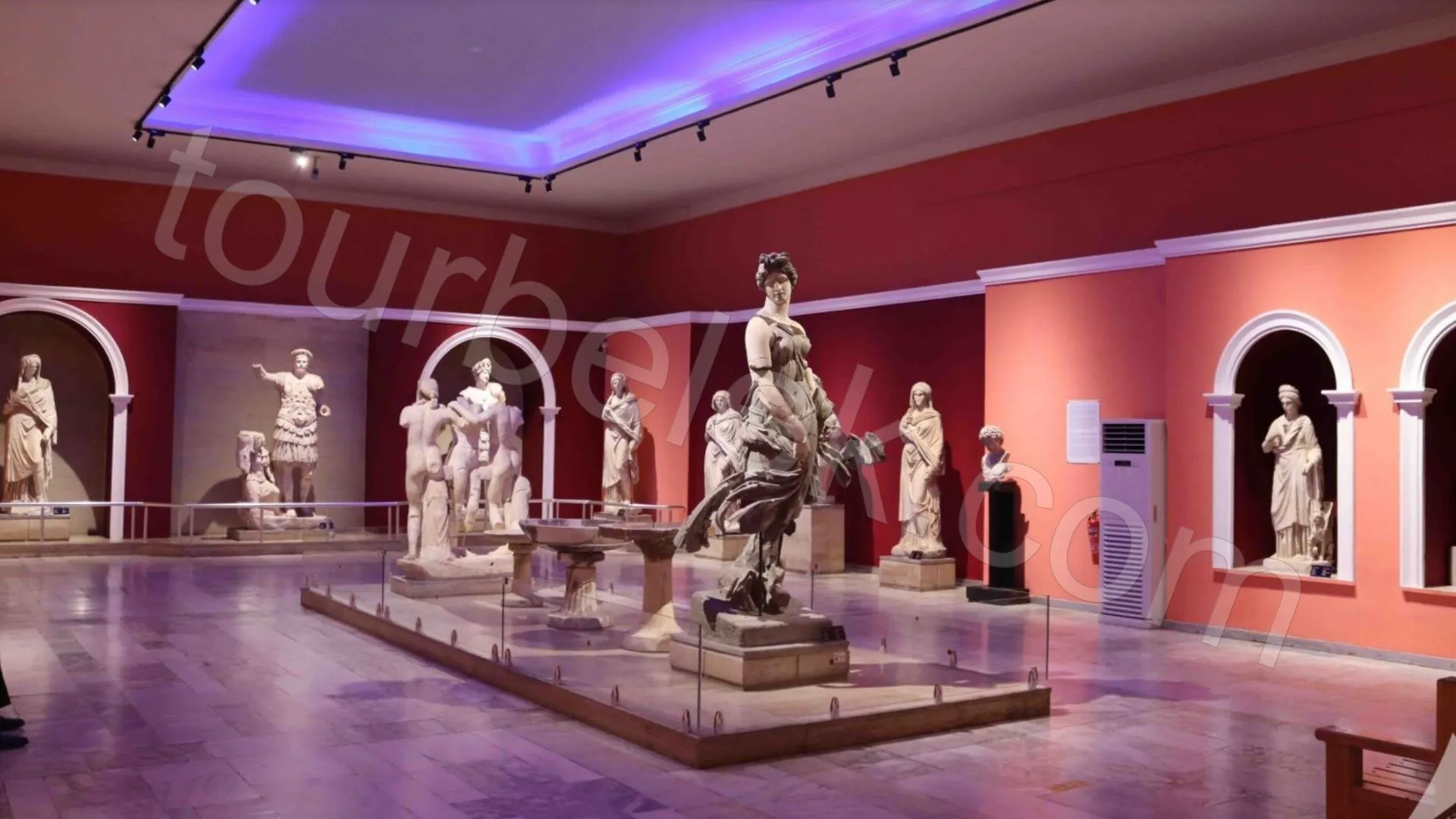
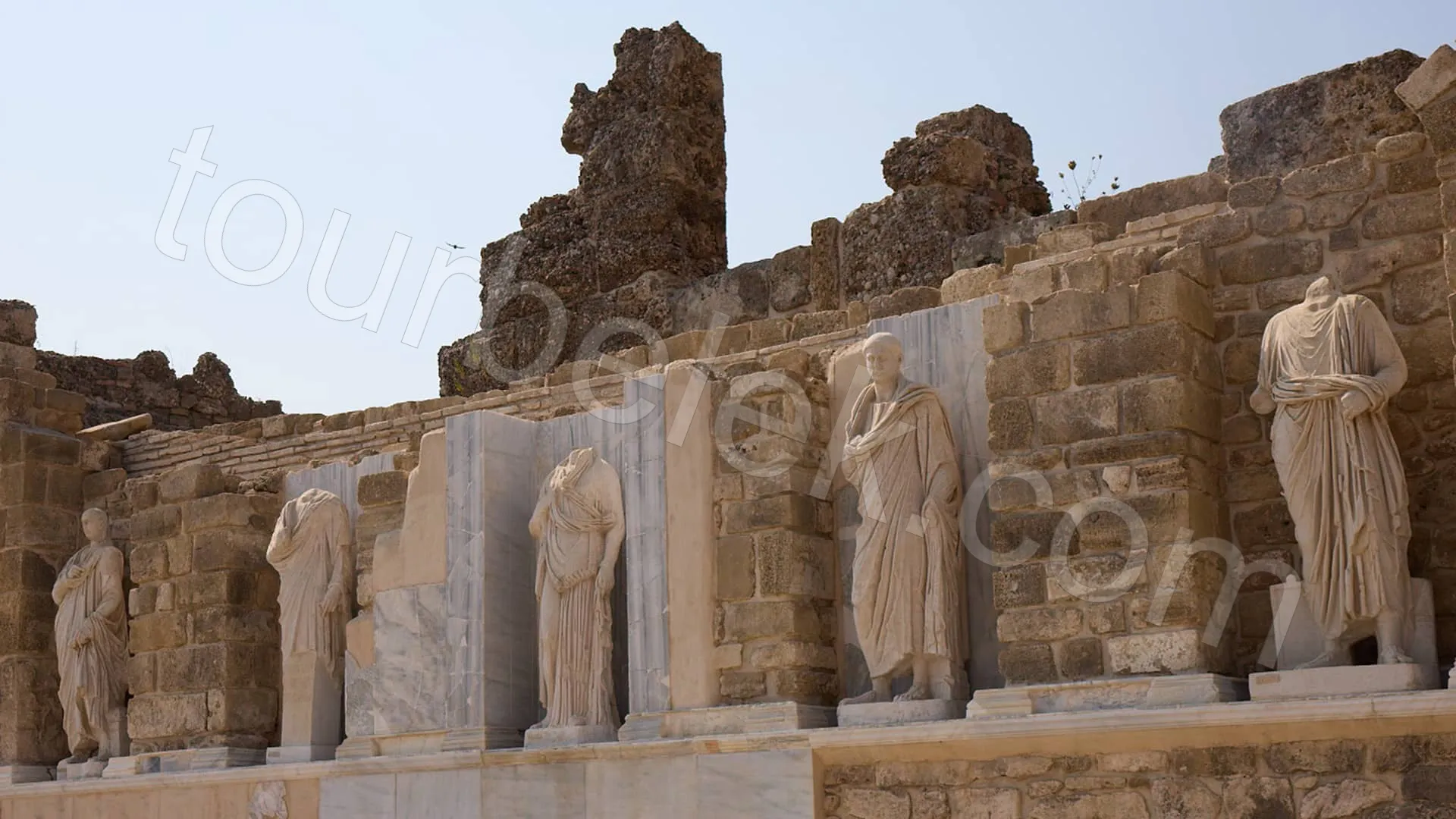
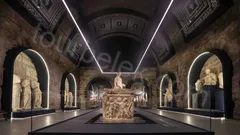
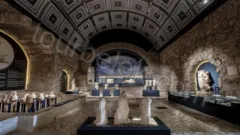
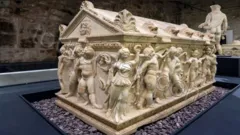
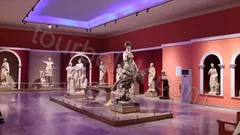
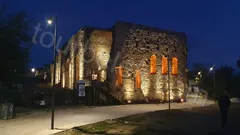
Located at the entrance to the peninsula inside a partially restored Roman bath building, Side Archaeological Museum displays artefacts unearthed during local excavations. The collection includes statues, sarcophagi, reliefs, coins and architectural fragments. Visiting before or after walking through the ruins provides valuable context, helping you appreciate the structures you have seen as part of a lived civilisation rather than mere stonework. Small but densely curated, the museum adds meaningful depth to the Side experience.
Ongoing Excavations and Recent Discoveries in Side
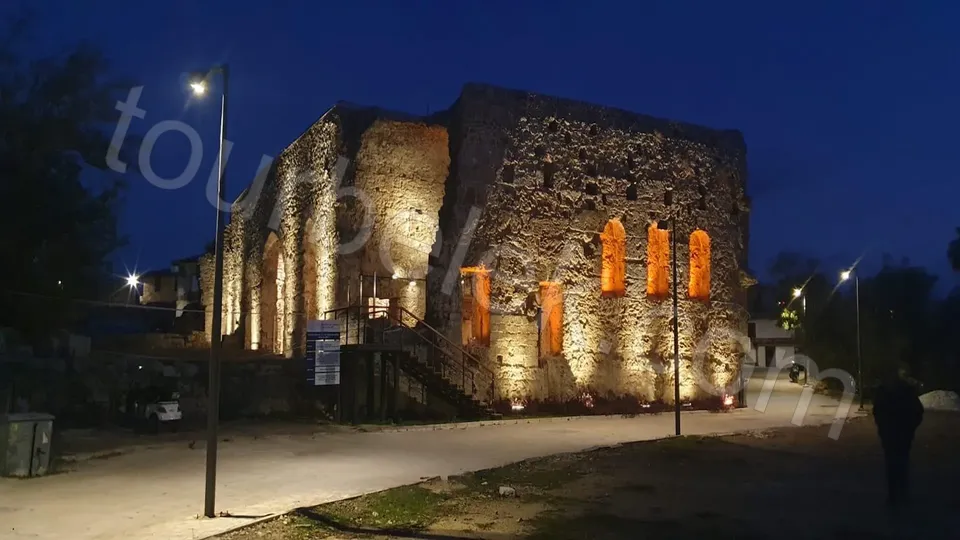
Archaeological work in Side continues to breathe new life into the ancient city year after year. Recent digs have uncovered a 2nd-century BC mosaic floor depicting Kalliope, the muse of epic poetry, along with colourful wall frescoes nearby. A restoration project along Street B, the grand colonnaded avenue, has replaced missing paving stones so that visitors can now walk its entire length. Plans are also in place to convert two ancient houses into a Roman-style living exhibit, rebuild columns in front of old shop fronts and revive traditional crafts such as olive oil production, leather working and textile weaving in those spaces. A new lighting project around the Temple of Apollo has given the area an impressive glow after dark, turning it into an appealing route for evening walks as well.
Manavgat Waterfall
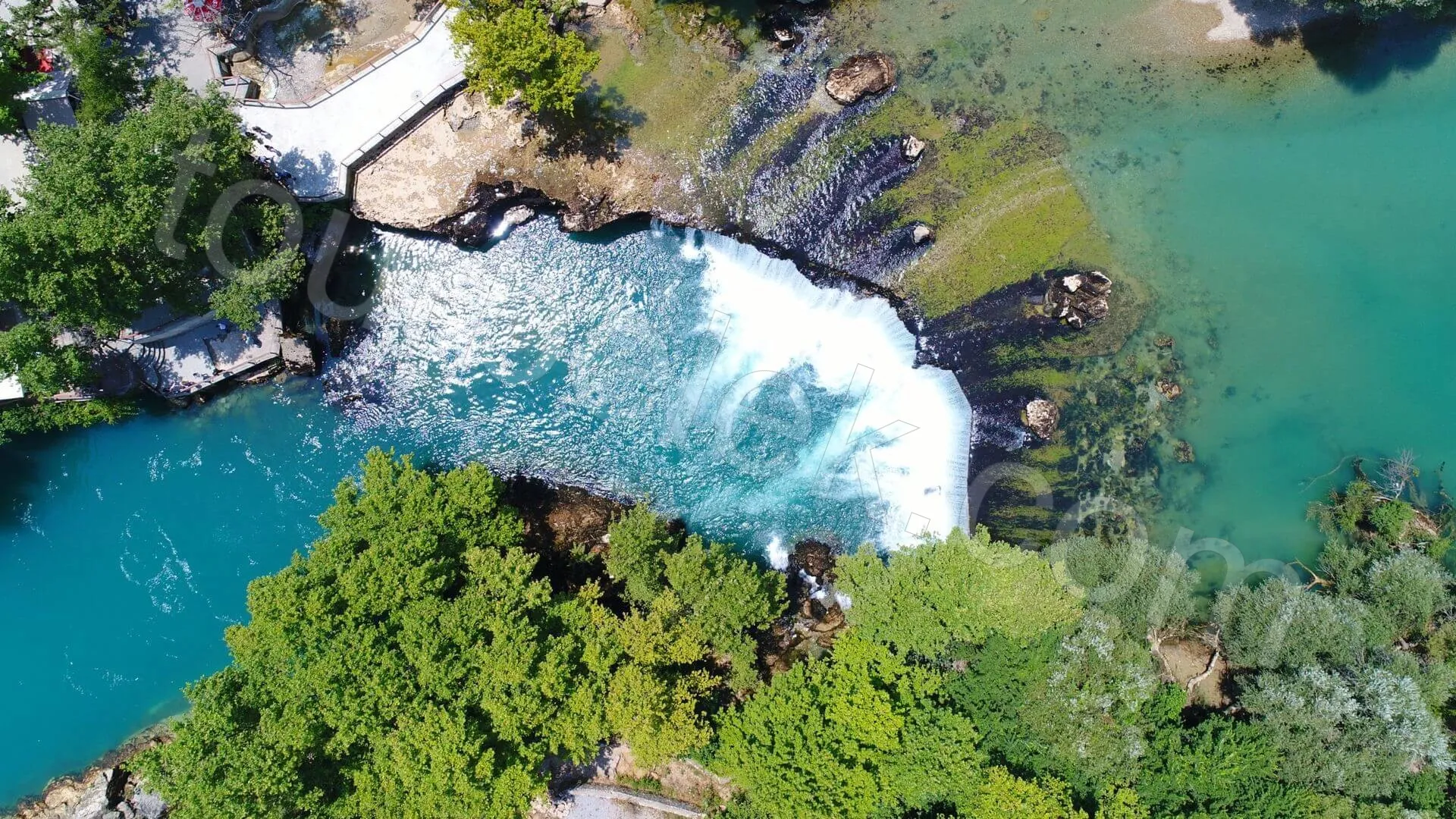
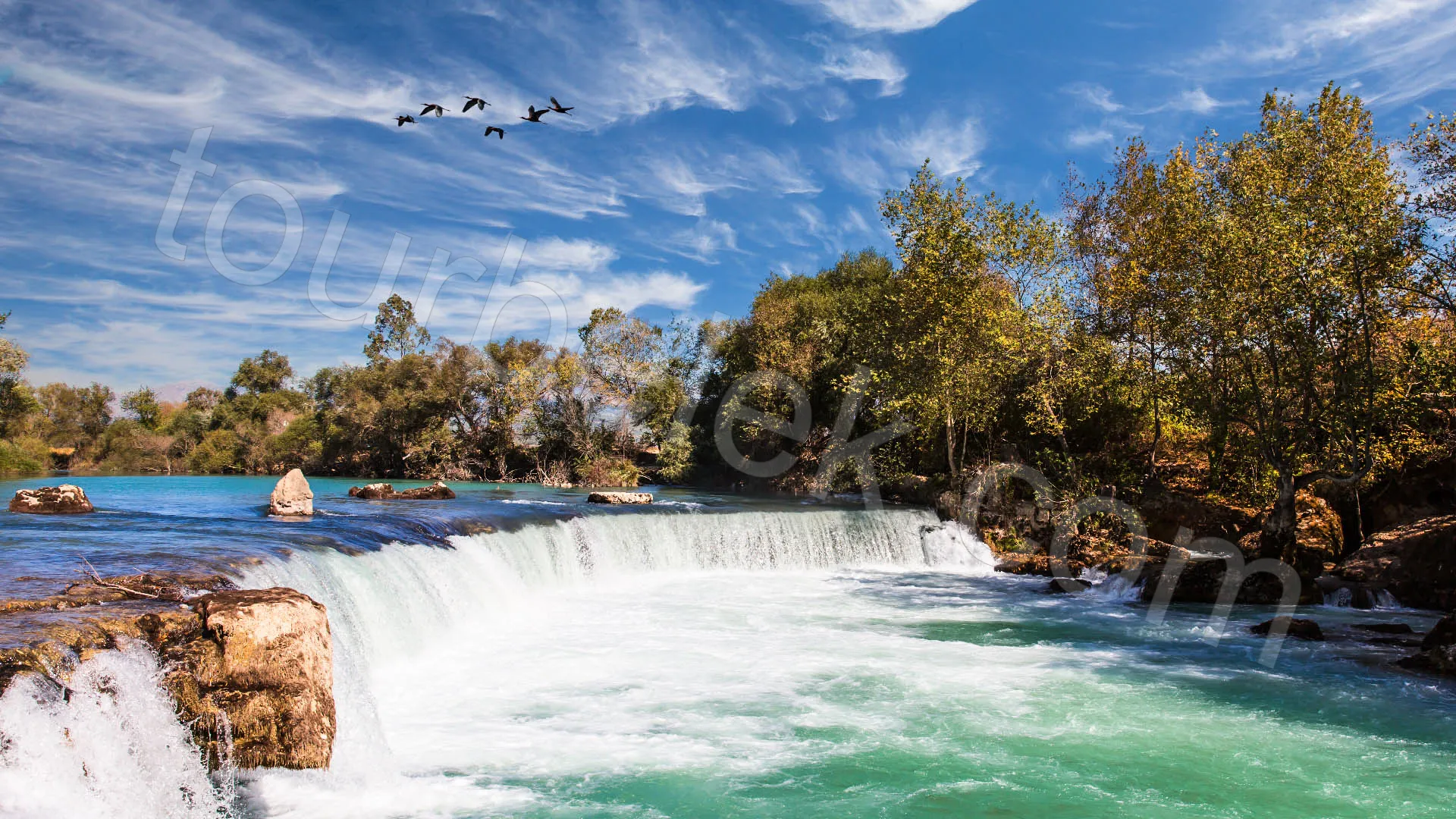
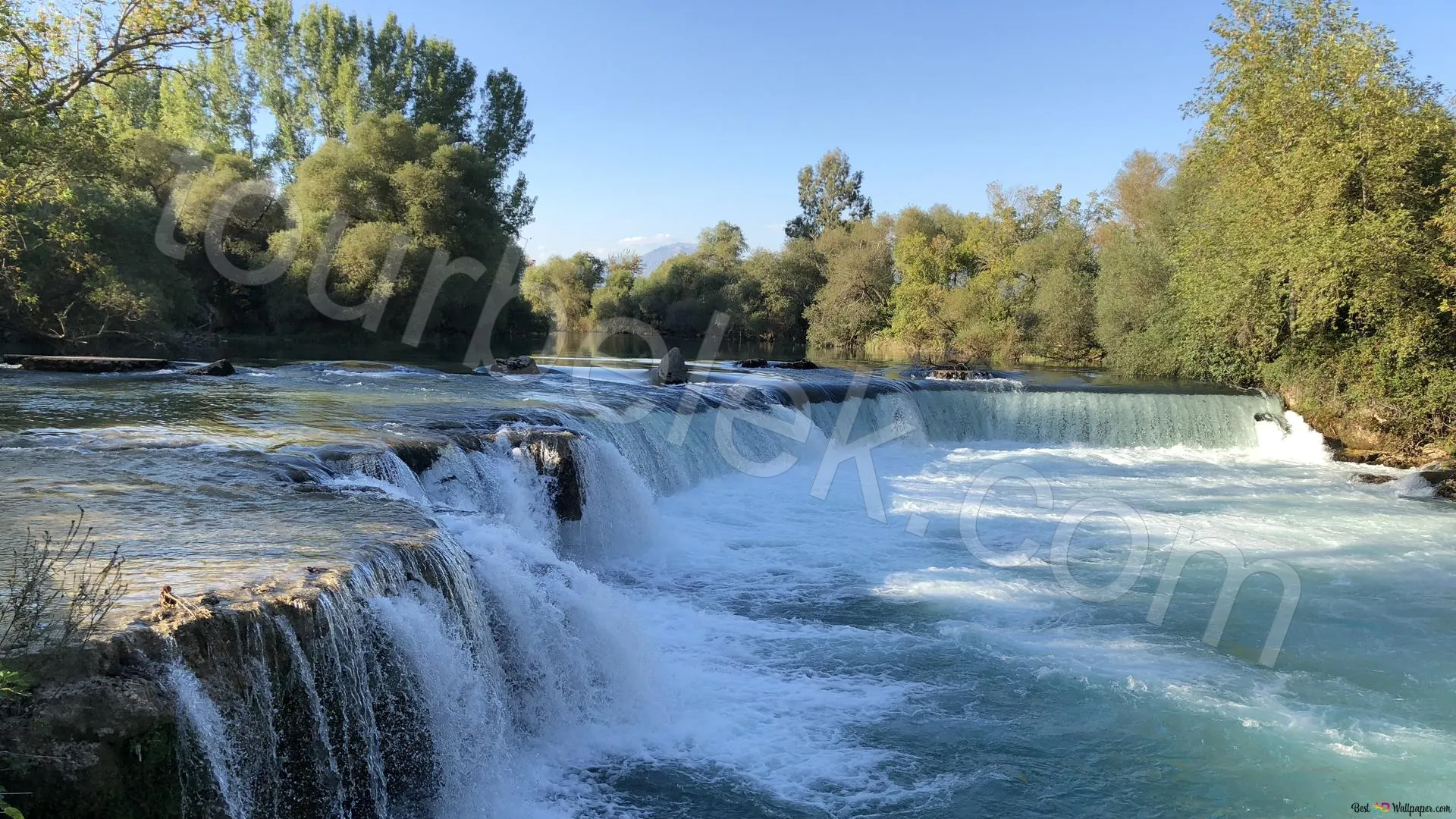
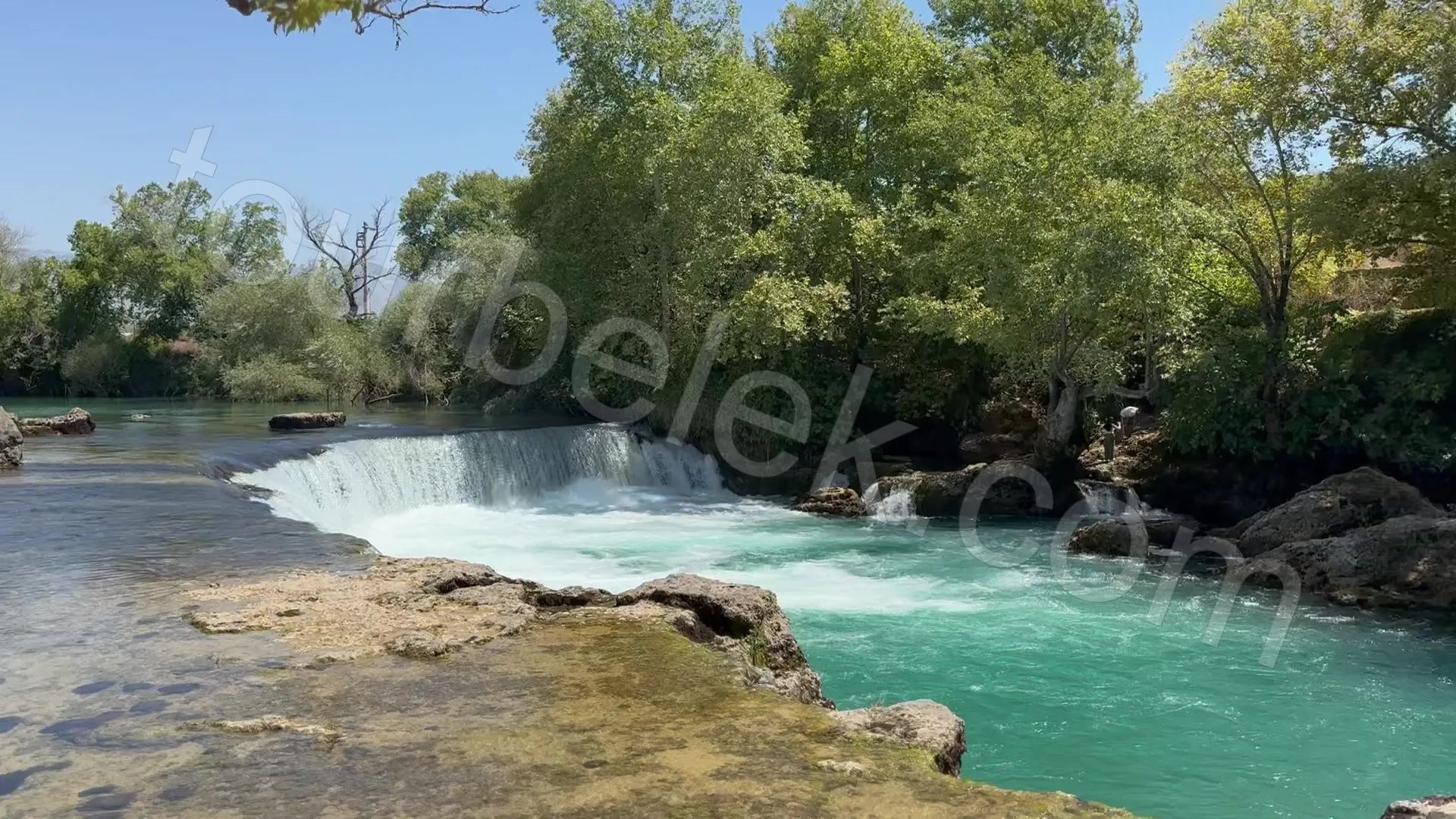
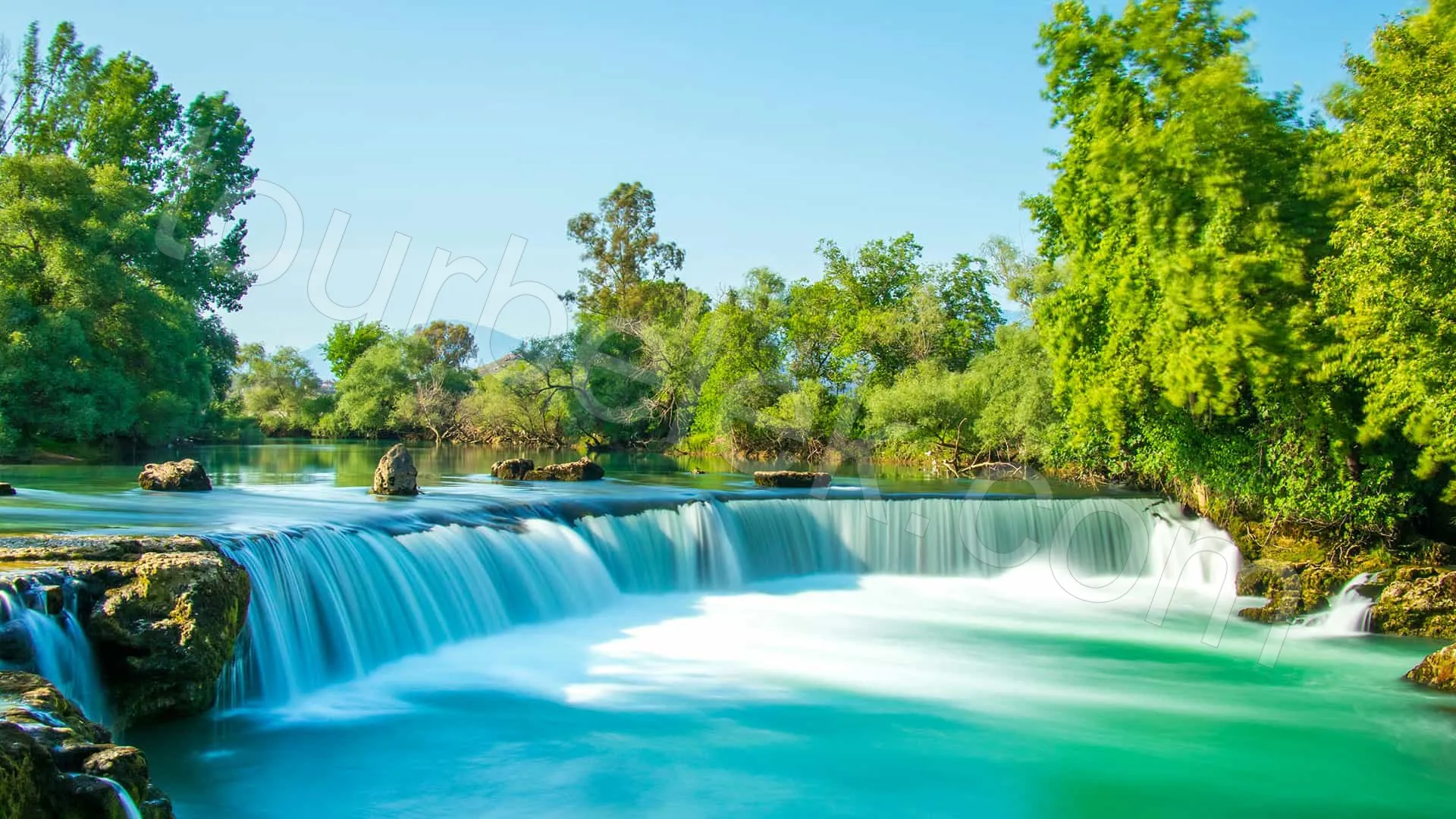
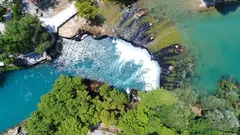
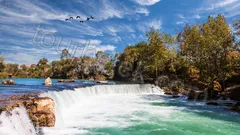
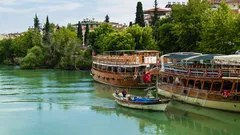
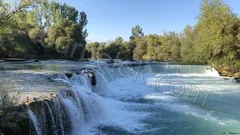
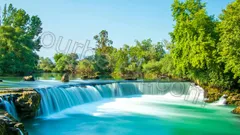
The final stop where nature takes centre stage, Manavgat Waterfall sits roughly 47 kilometres from Belek. Although it does not cascade from a great height, its wide curtain of water spreading across a broad shelf creates a picture-postcard scene. The Manavgat Waterfall excursion from Belek is a favourite finale on this itinerary precisely because it offers a refreshing natural break after the intense historical atmosphere of the ancient cities. Tea gardens and small souvenir stalls nestle among the surrounding greenery. The soothing sound of rushing water, cool air and lush vegetation combine to make it the perfect spot to recharge before heading back.
Distances from Belek
Every stop on the Belek Perge Aspendos Side tour itinerary lies within comfortable driving distance. The table below shows the approximate road distance and estimated travel time from central Belek to each destination.
| Destination | Distance from Belek | Estimated Travel Time |
|---|---|---|
| Perge Ancient City | ~30 km | ~35 minutes |
| Aspendos Theatre | ~25 km | ~25 minutes |
| Side Ancient City | ~45 km | ~45 minutes |
| Manavgat Waterfall | ~47 km | ~50 minutes |
As part of this Belek ancient city tour, all transfers between the four sites are made by air-conditioned vehicle, and the short drives between stops serve as welcome rest intervals. Because distances are modest, the majority of your day is spent at the sites themselves rather than on the road.
Who Is This Tour For
Among the Belek day trip options available, this route is tailor-made for visitors who are curious about history and culture and want more from their holiday than beach time alone. The Perge Aspendos Side and Manavgat Waterfall Tour from Belek is equally enjoyable for families, couples and solo travellers, and the programme is well suited to those with children. Whether you are looking for an active day outdoors or simply want to fill your camera roll with ancient temples and cascading water, this itinerary delivers. At TourBelek we have designed this excursion to appeal to every age group and interest.
- History and archaeology enthusiasts can explore thousands of years of heritage across three distinct ancient cities
- Nature lovers enjoy a refreshing pause surrounded by greenery at Manavgat Waterfall
- Photography fans will find dozens of compelling shots from the Temple of Apollo to the waterfall
- Families benefit from a safe, comfortable and educational cultural outing with their children
Accessibility Information
The tour involves several hours of walking across the ancient sites at Perge, Aspendos and Side. Ground surfaces are largely composed of ancient stone paving and can be uneven or rough in places. Climbing to the upper tiers of Aspendos Theatre requires a short ascent, though the lower sections are more easily accessible. Wheelchair users may encounter restrictions in certain areas, particularly around the Perge stadium and the narrow lanes of Side's old town. Guests with mobility concerns are encouraged to mention this when booking so that our team can make the most suitable arrangements.
Frequently Asked Questions
Experiences
- Explore thousands of years of history at Perge, Aspendos and Side with a professional guide by your side
- Experience the unmatched acoustics of Aspendos Theatre and the sea views from the Temple of Apollo first hand
- Unwind in the cool, green surroundings of Manavgat Waterfall for a refreshing end to the day
- Visit three ancient cities and a natural wonder in a single day, adding real cultural depth to your Belek holiday