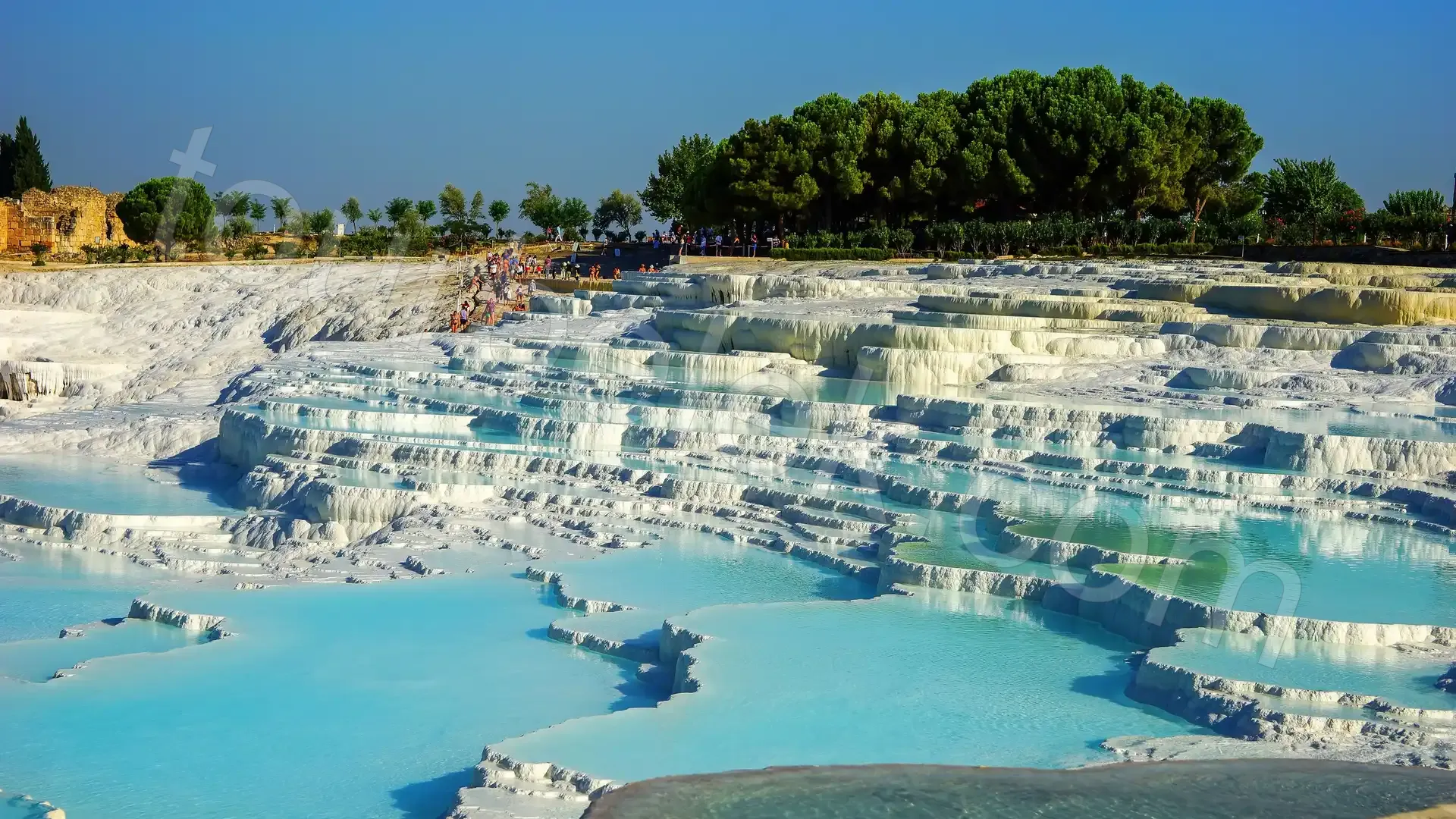
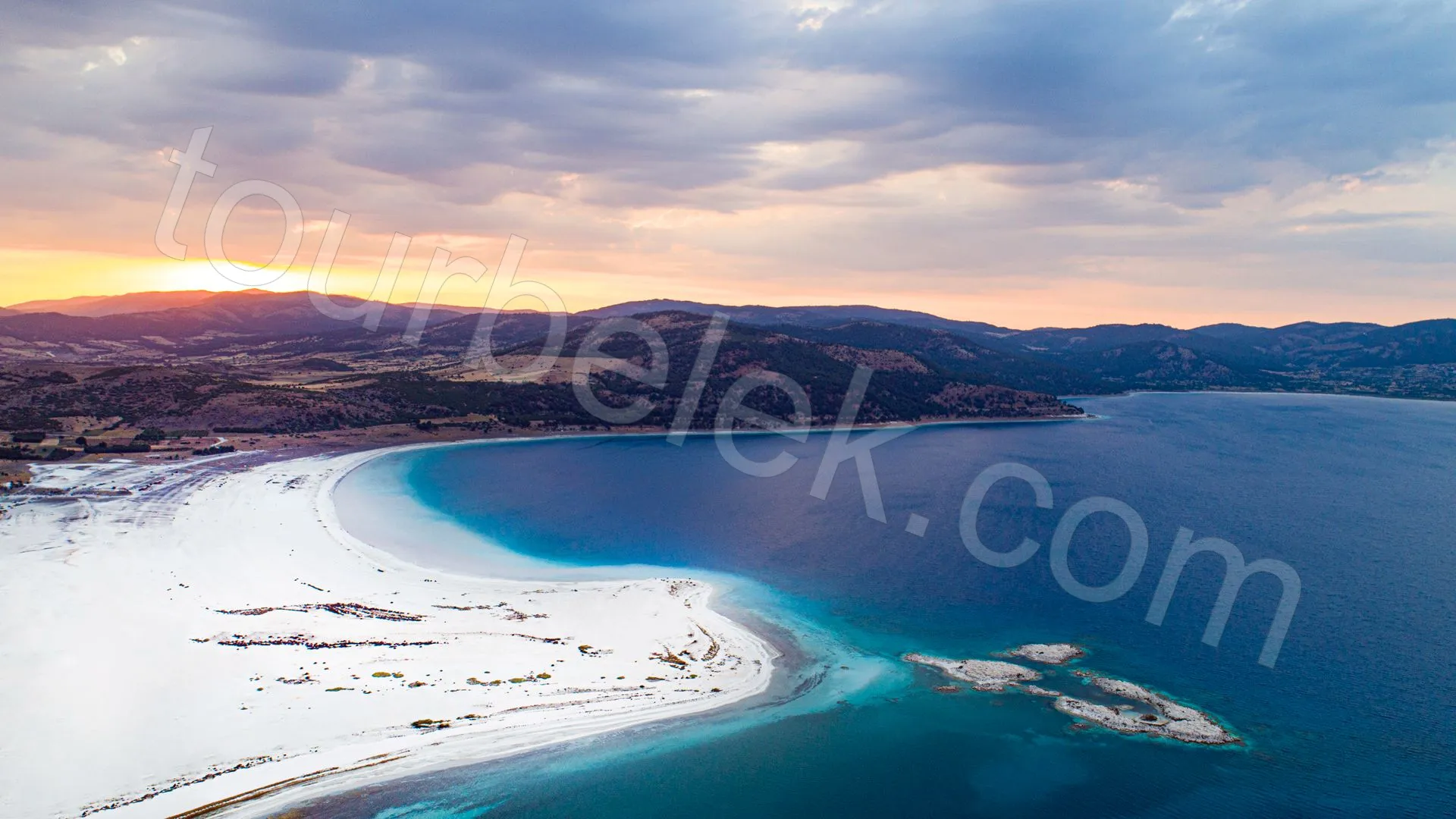
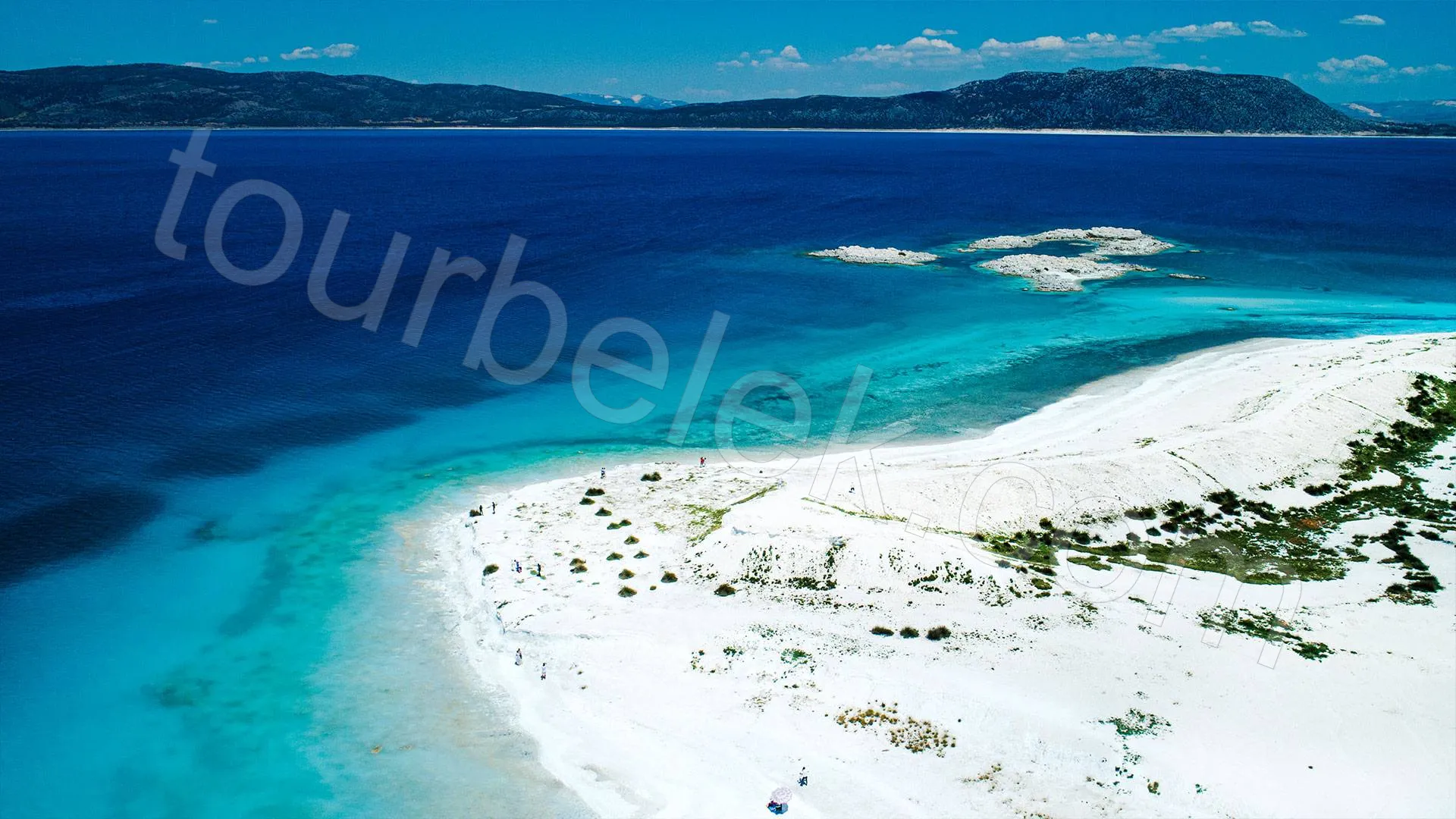
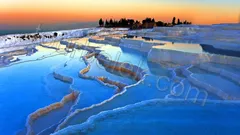
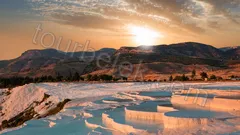
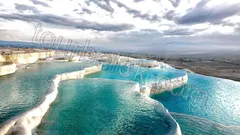
On one side, Salda Lake shimmers with turquoise water that could easily be mistaken for a tropical island shore. On the other, the snow-white travertine terraces of Pamukkale cascade down a hillside, sculpted over millennia by mineral-rich thermal springs. The Salda Lake and Pamukkale Tour from Belek brings both of these extraordinary destinations together in a single day, offering a route that balances natural beauty, ancient history and pure relaxation.
This full-day excursion connects two very different landscapes along one well-planned itinerary. You will experience Turkey's deepest freshwater lake, walk through a UNESCO World Heritage Site, and explore a Roman city that once drew pilgrims from across the ancient world. Whether you are drawn to geology, photography or simply want a day away from the poolside, this trip delivers on every front.
What You Should Know About Salda Lake
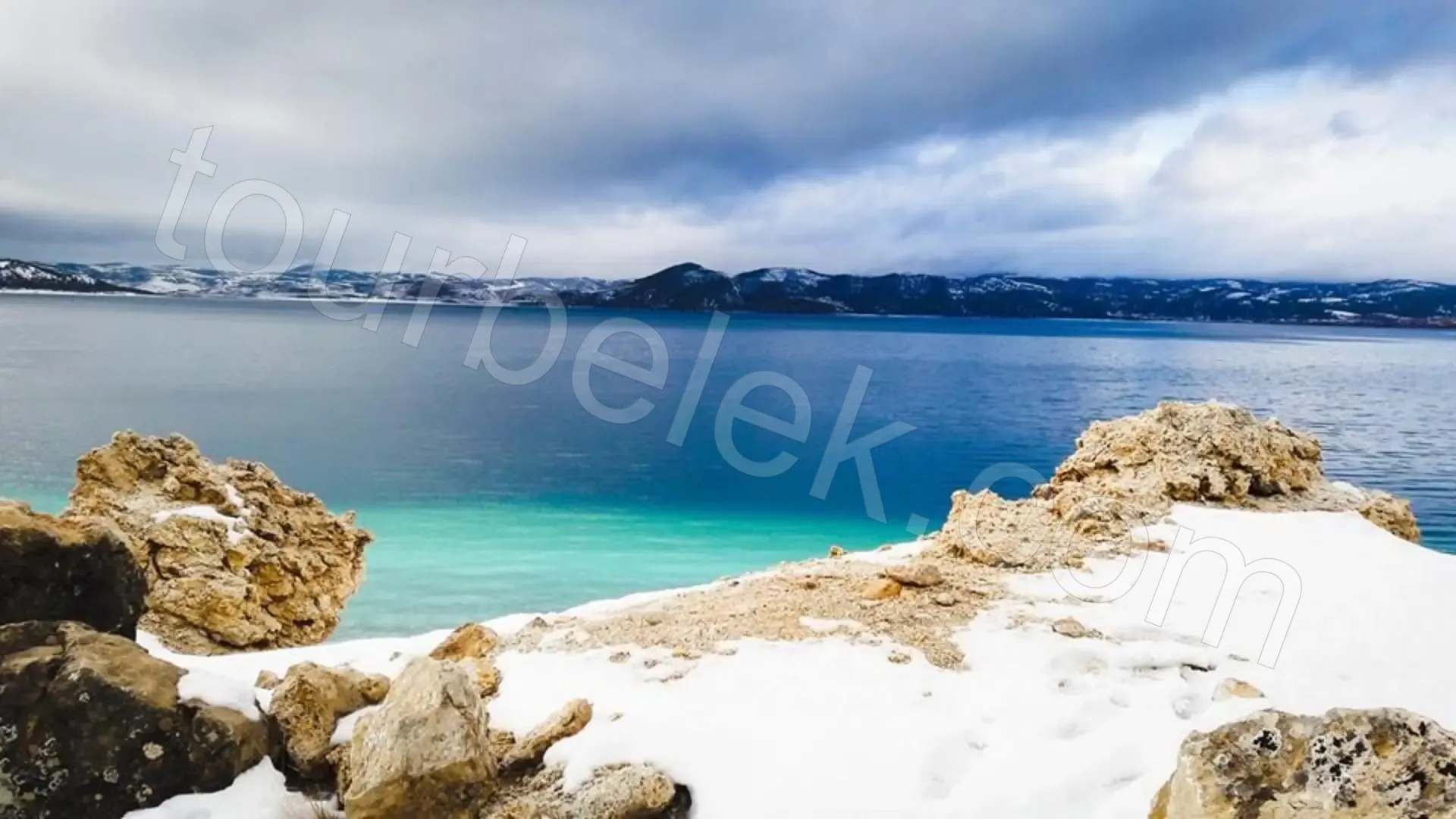
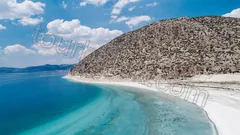
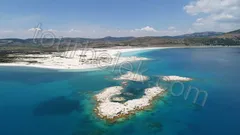
Sitting at roughly 1,140 metres above sea level in the south-west of Burdur province, Salda Lake is a crater lake formed by a volcanic collapse around two million years ago. With a recorded depth of 184 metres, it ranks as Turkey's deepest freshwater lake and the third deepest lake on the planet. Dense juniper and pine forests ring its shores, framing the water in a canopy of green that only heightens the visual drama.
Why It Is Called the Turkish Maldives
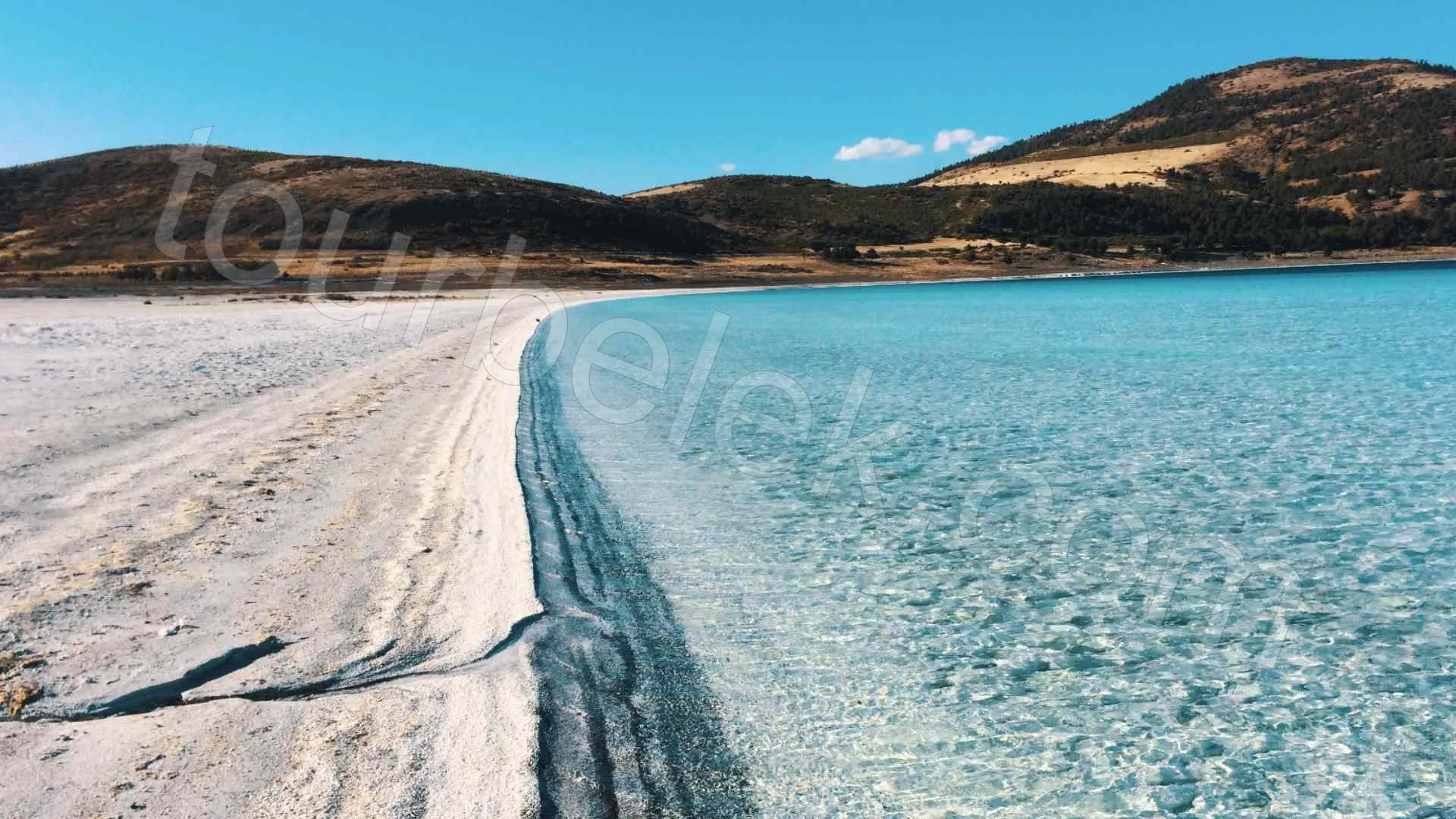
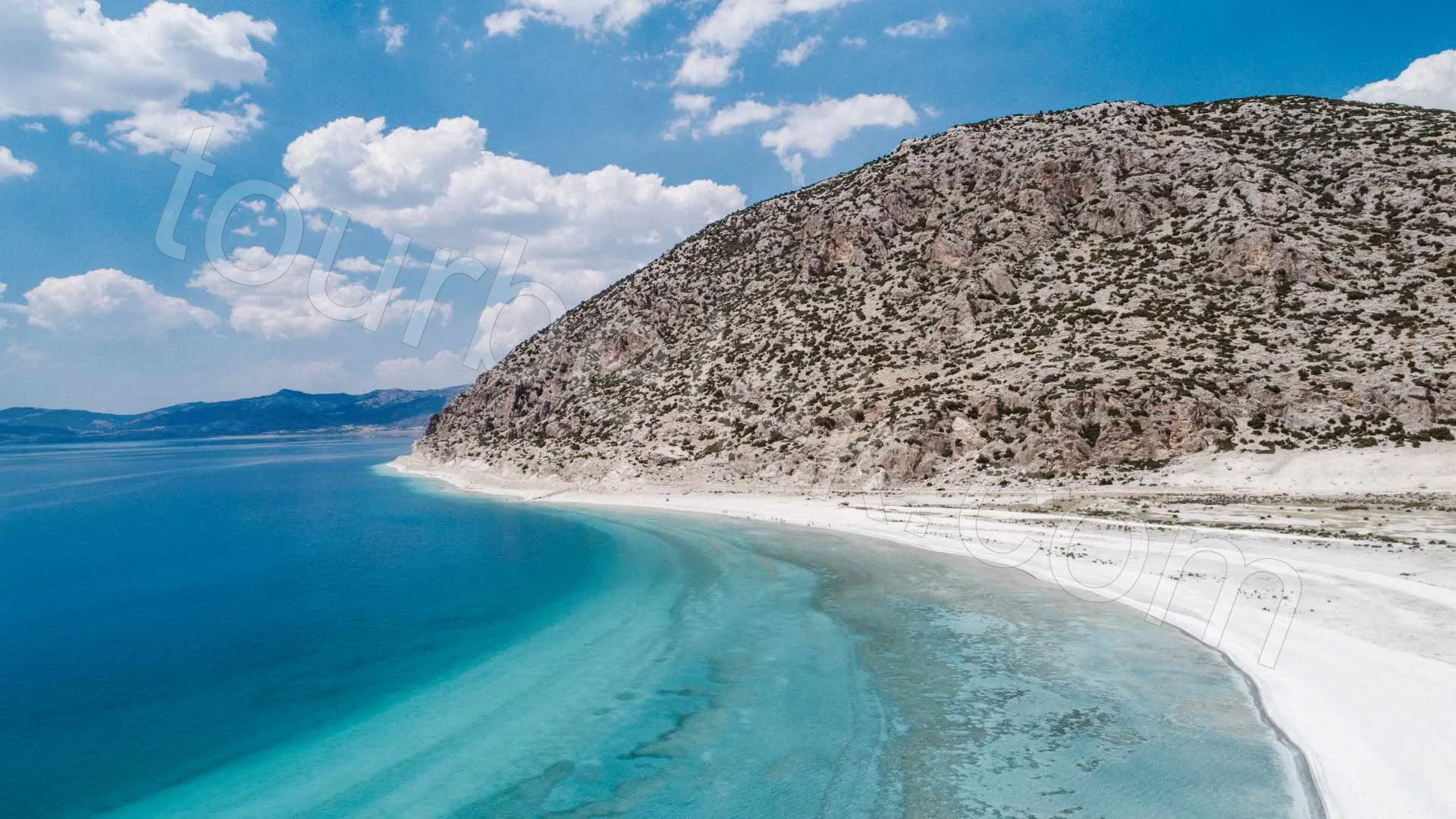
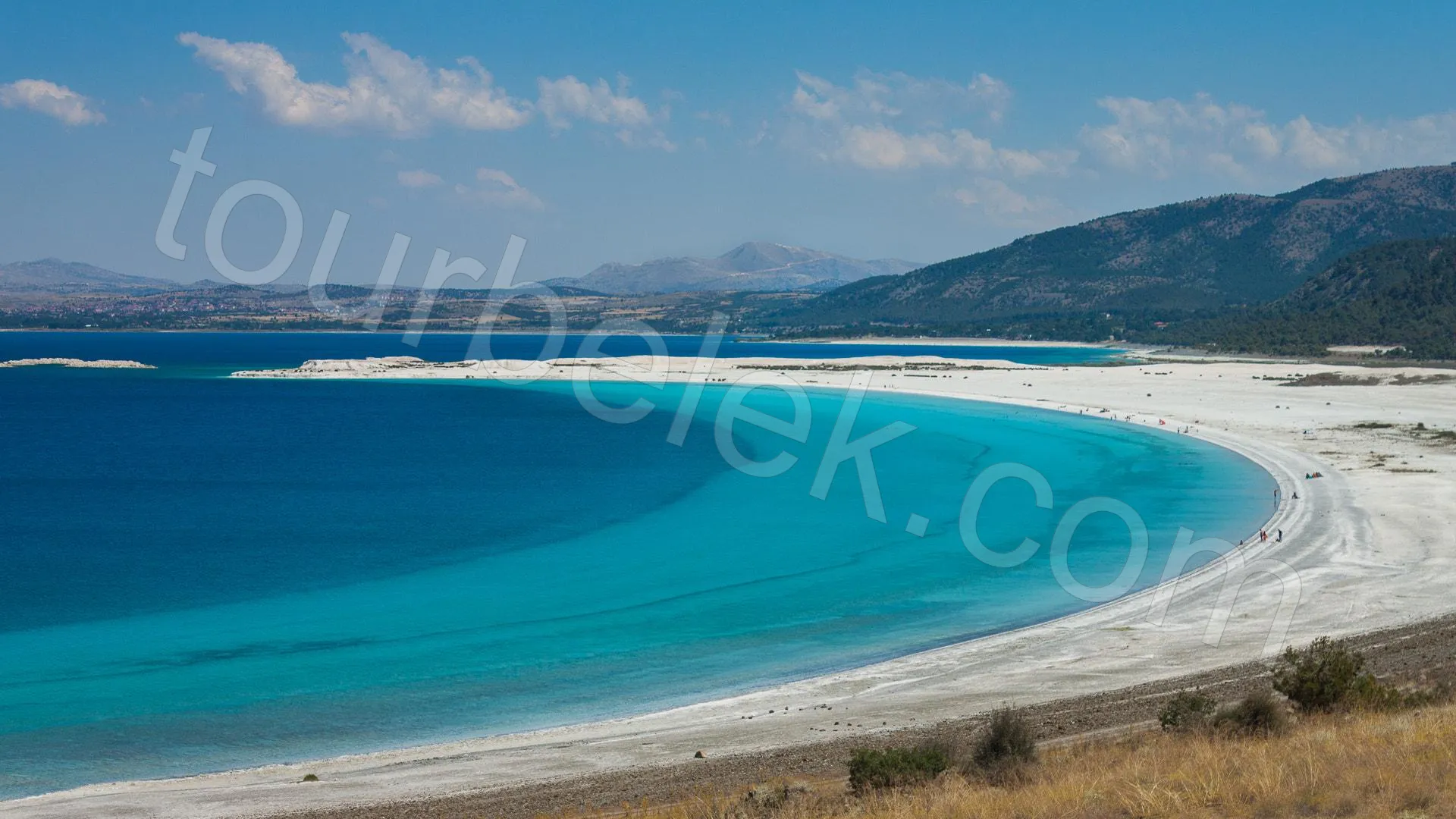
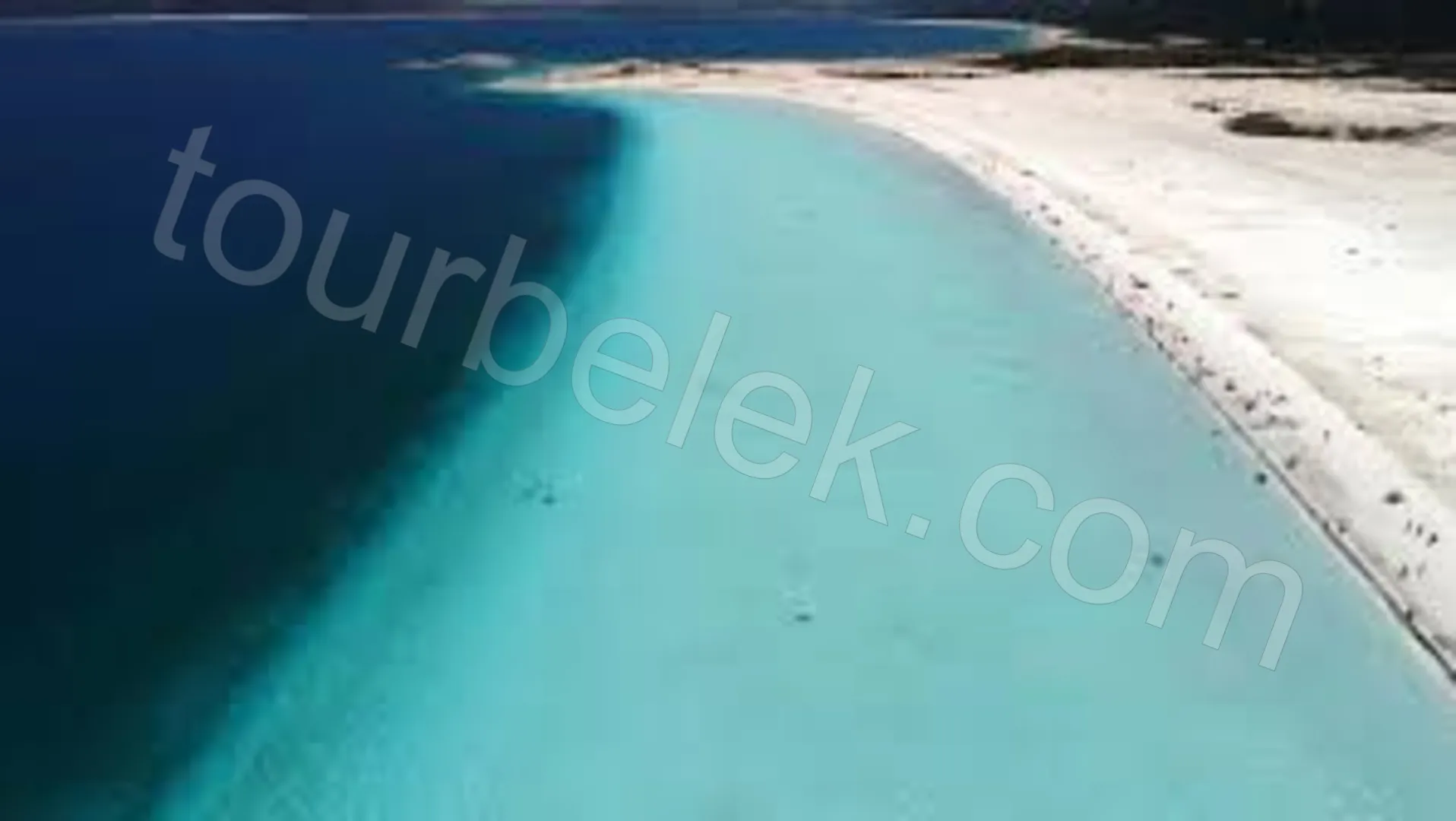
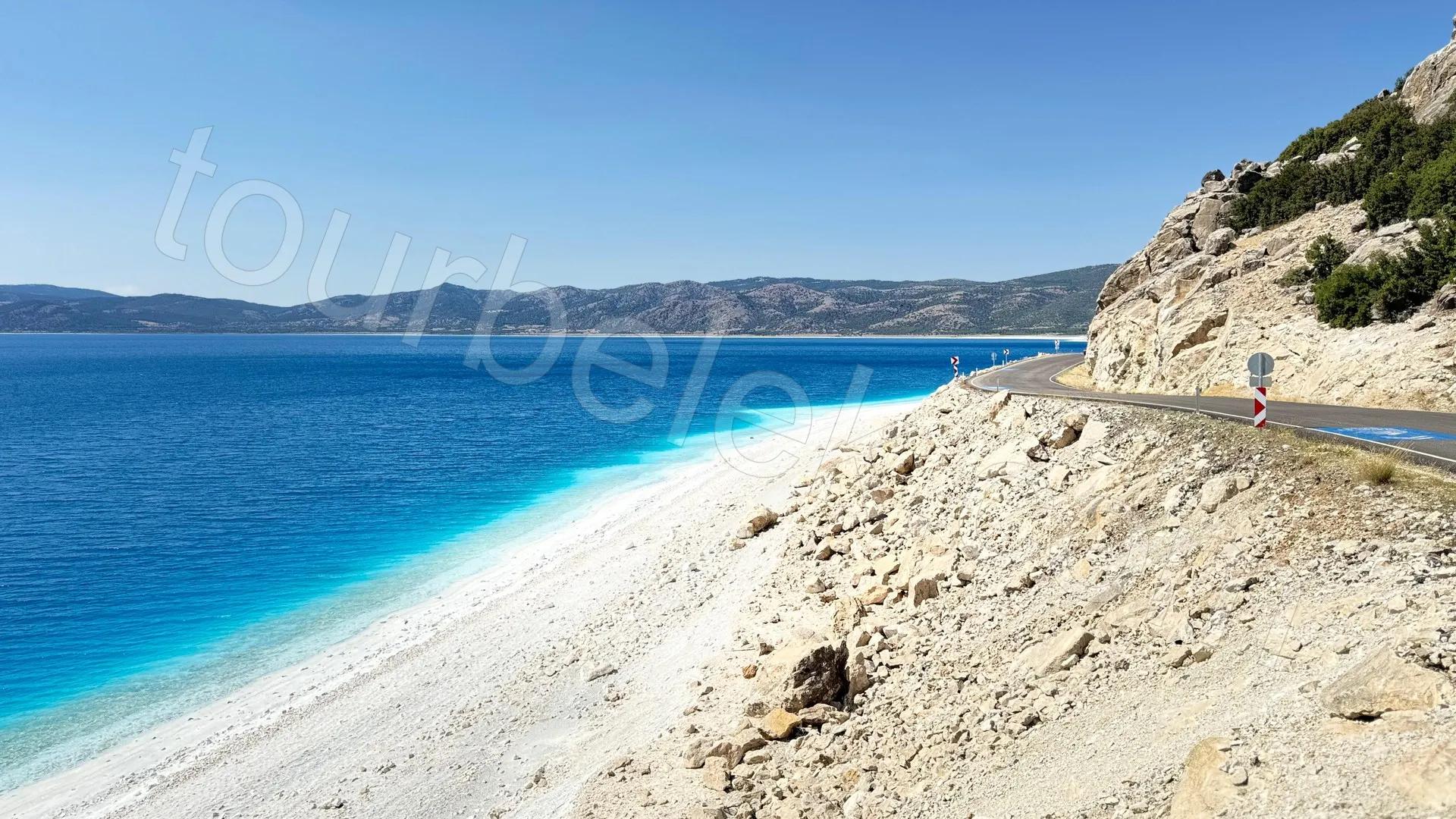
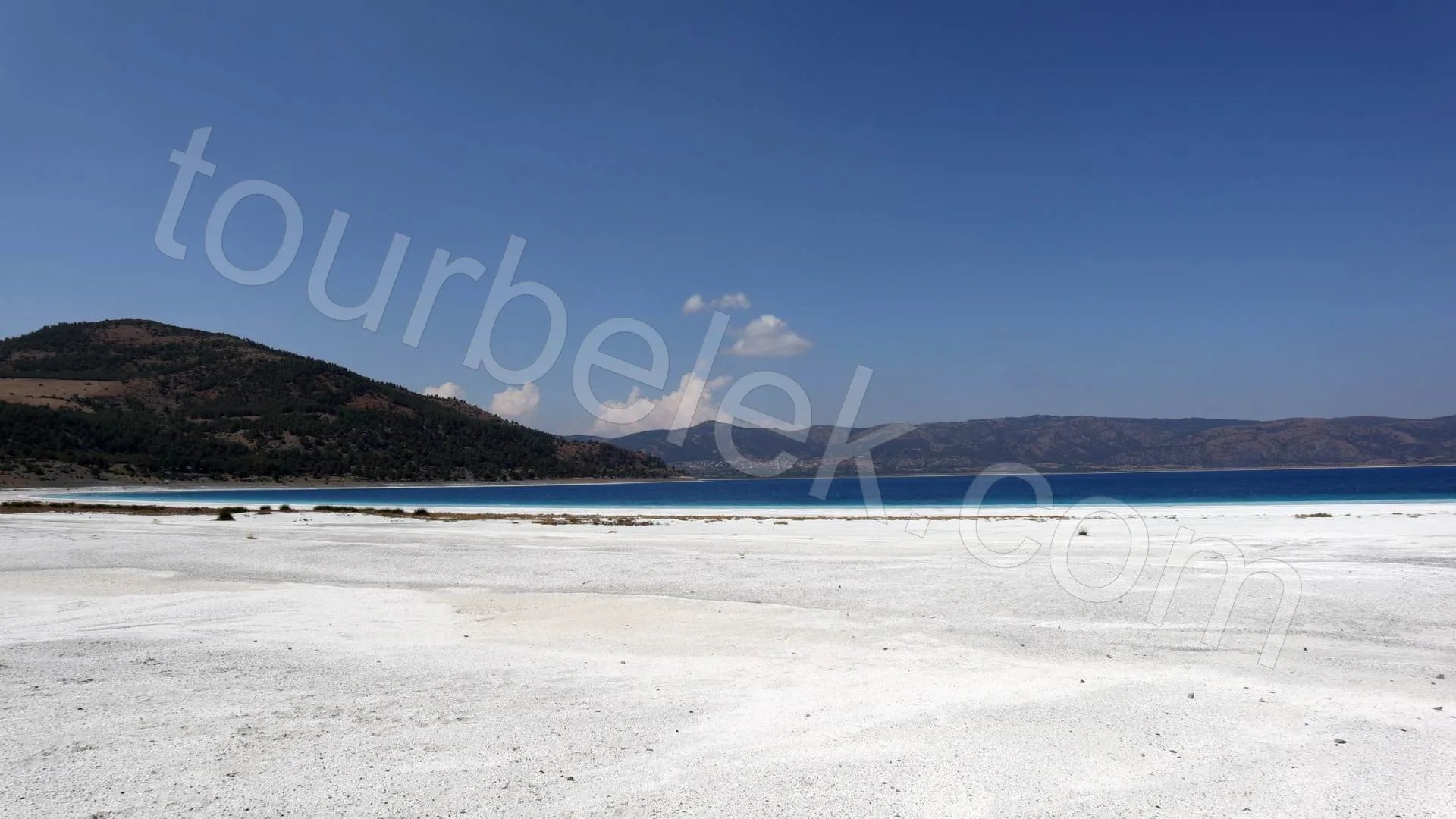
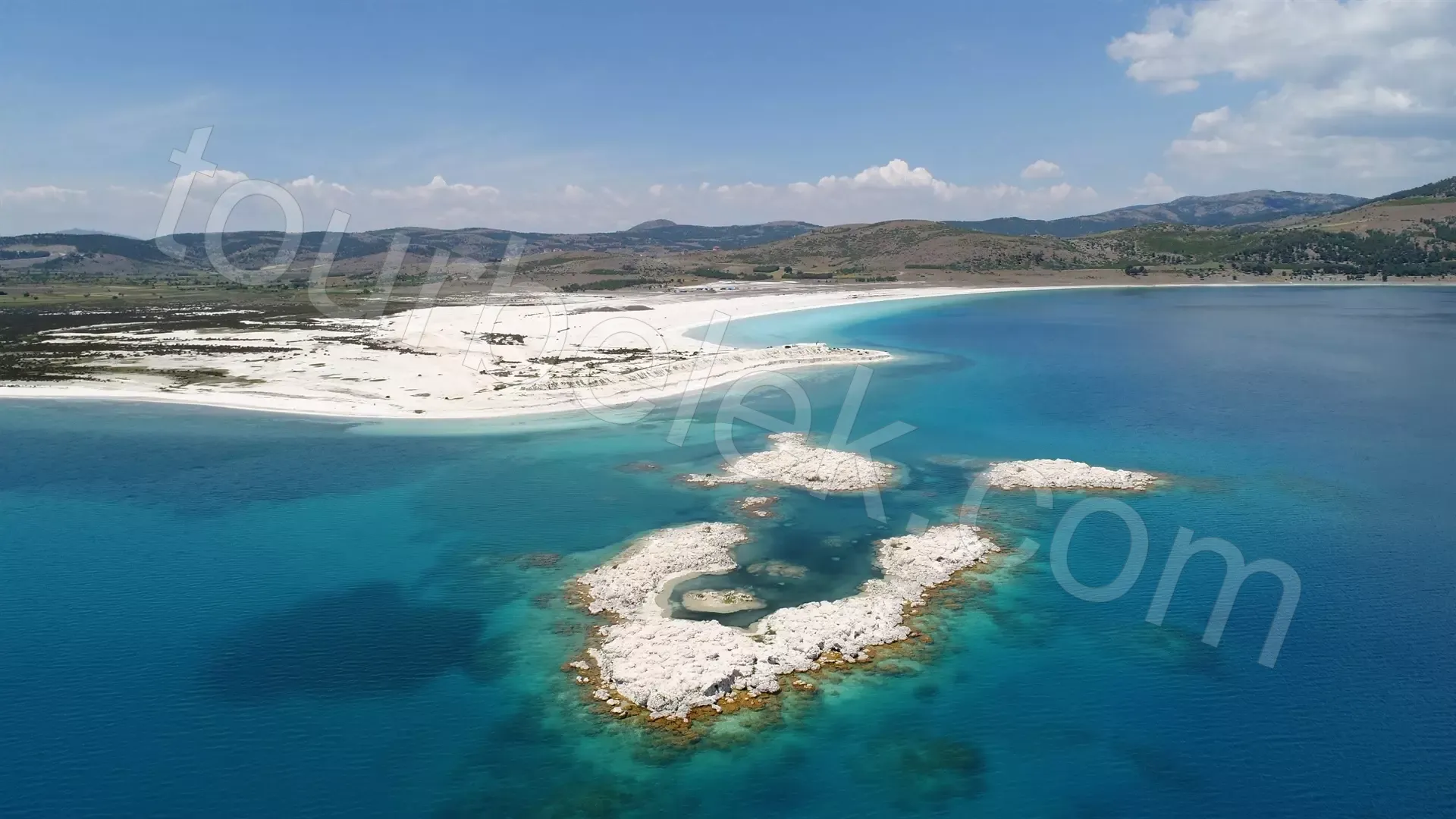
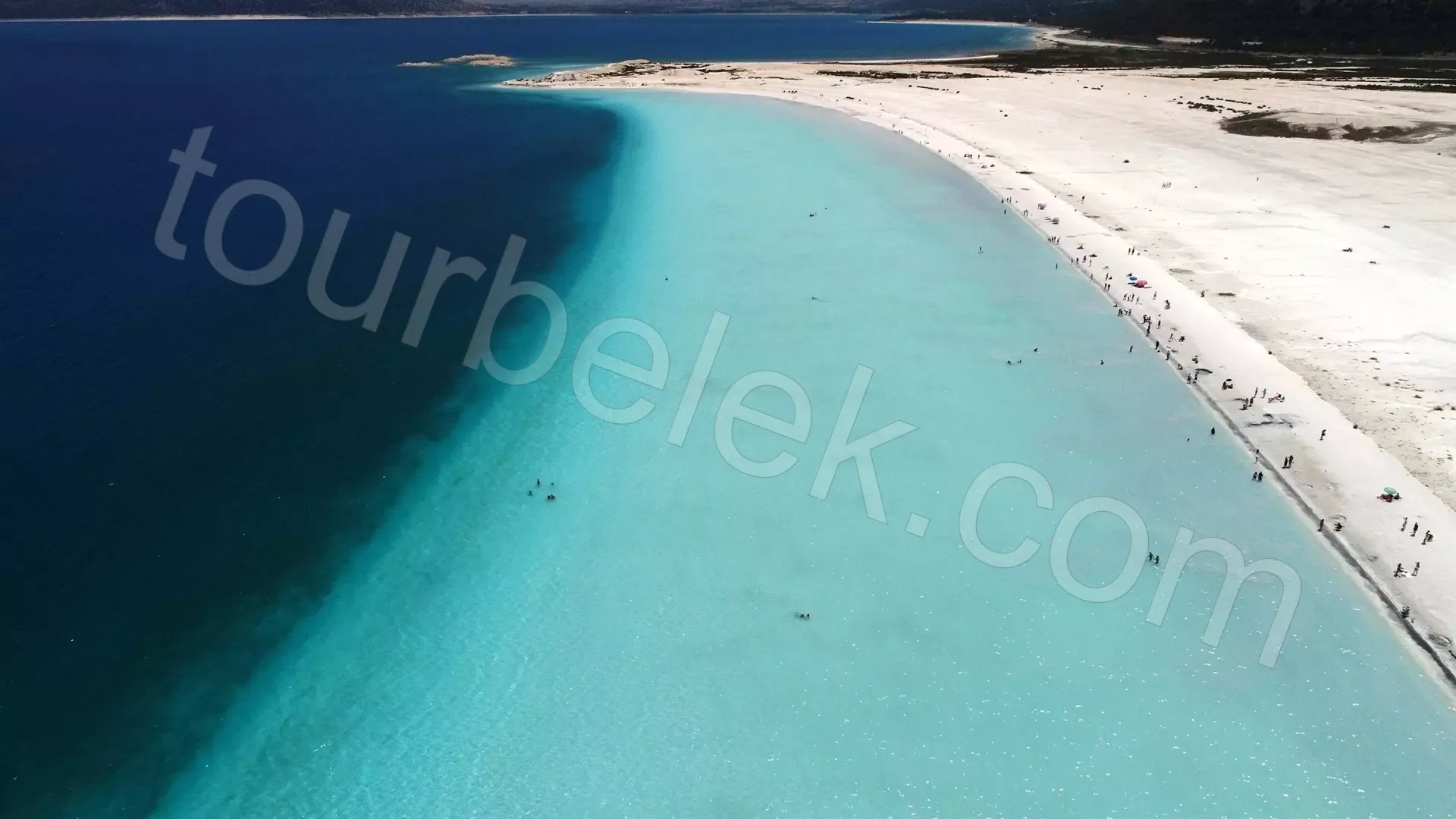
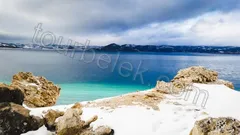
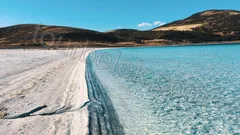
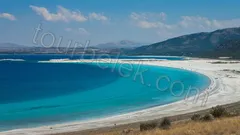
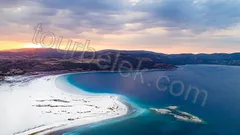
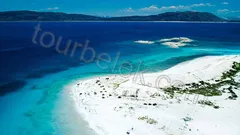
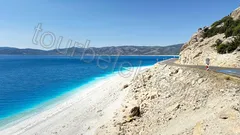
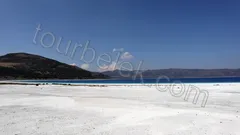
The nickname needs little explanation once you see the lake in person. Bright white sand meets water that shifts from pale turquoise near the shore to a deep sapphire blue further out, creating a scene that looks unmistakably tropical. This appearance is entirely geological rather than coastal; the shallows are so clear that you can see the lakebed with ease. On sunny days the colour gradient is especially striking, and photographs taken here tend to carry an almost surreal depth of hue that rivals any ocean-front postcard.
The Secret Behind the White Sand
The dazzling whiteness of the sand at Salda Lake is directly linked to the lake's unique chemistry. Its water is rich in magnesium and carbonate minerals and has a mildly alkaline composition. This chemical make-up causes a mineral called hydromagnesite to accumulate along the shoreline. Hydromagnesite is the substance responsible for both the brilliant white sand and the distinctive turquoise tint of the water; its fine particles reflect sunlight at specific wavelengths, producing that signature colour. Very few lakes anywhere in the world share this mineral profile.
The Surprising Link Between Salda Lake and Mars
Salda Lake carries scientific significance that reaches far beyond Turkey's borders. When NASA's Perseverance rover landed in Mars' Jezero Crater in 2021, researchers discovered that the mineral structure of the crater bore a remarkable resemblance to a single location on Earth, and that location was Salda Lake. The hydromagnesite and carbonate formations around the lake closely mirror the rock composition found inside Jezero Crater. This discovery turned Salda into a reference site for understanding potential traces of ancient life on Mars. Only two places on the planet share this characteristic, and Salda is one of them. As you walk along the shore, the ground beneath your feet is made of the same minerals found on a planet millions of kilometres away.
Swimming and Mud Baths at the Lake
Swimming is permitted in designated areas of Salda Lake, and the water is remarkably clean. Despite being freshwater, its high mineral content gives the water a noticeably silky feel on the skin. At certain points along the shore, deposits of white clay offer a natural mud-bath experience. This clay, based on hydromagnesite, is widely believed to soften and cleanse the skin. Many visitors spread it over their bodies for an open-air spa treatment, then rinse off by wading back into the lake. Shower facilities on site are limited, so bringing a towel and change of clothes is practical.
Salda Lake Nature Park
The lake and its surrounding area have been protected as a Nature Park since 2011. Within its boundaries you will find juniper, red pine and black pine forests that serve as habitat for rare bird species and butterfly populations. Walking trails near the shoreline are popular with nature photographers and birdwatchers. Because of its protected status, access to some parts of the shoreline may be restricted; your guide will direct you to the areas open for visitors on the day.
Pamukkale and the Cotton Castle Legend
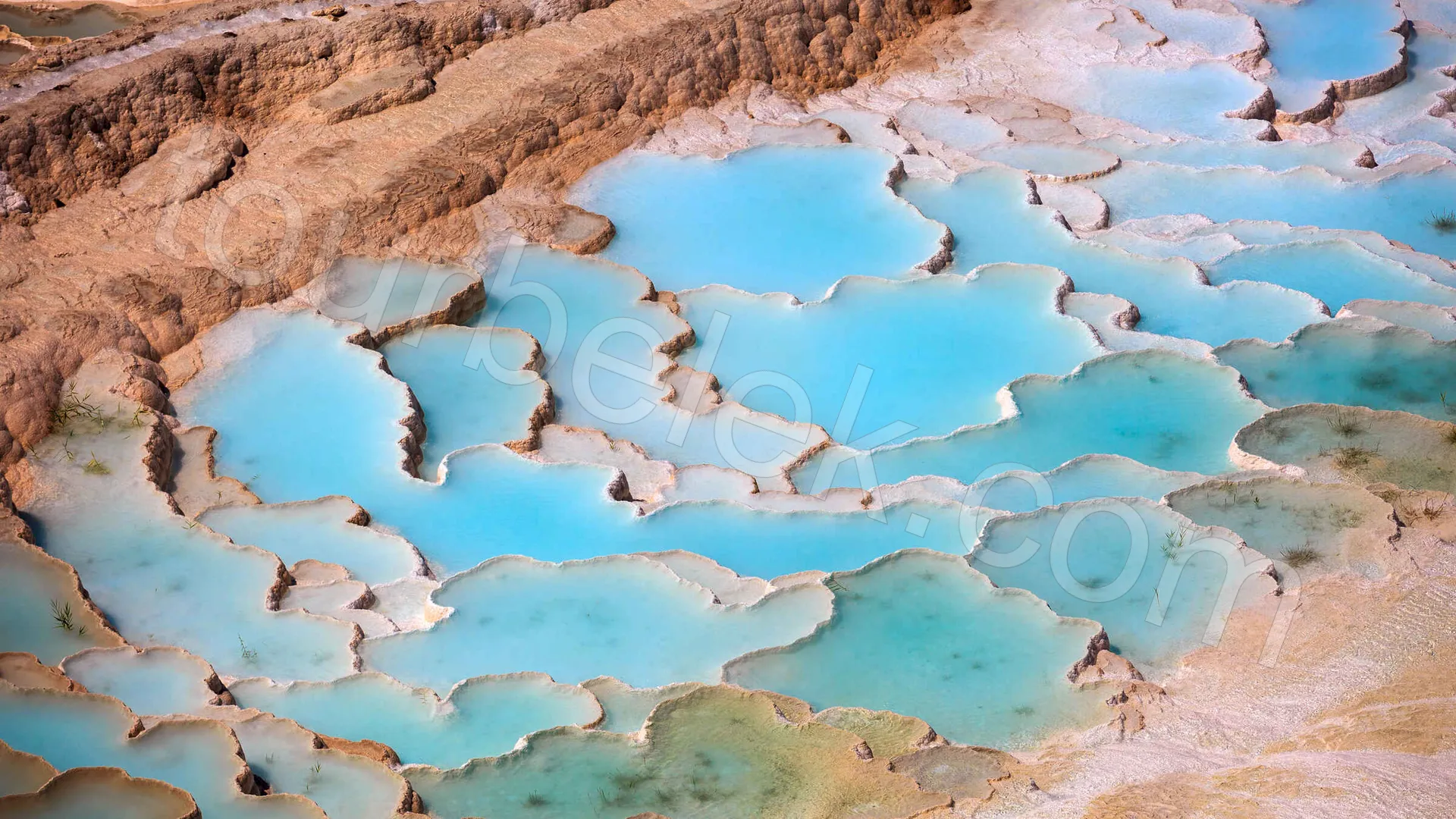
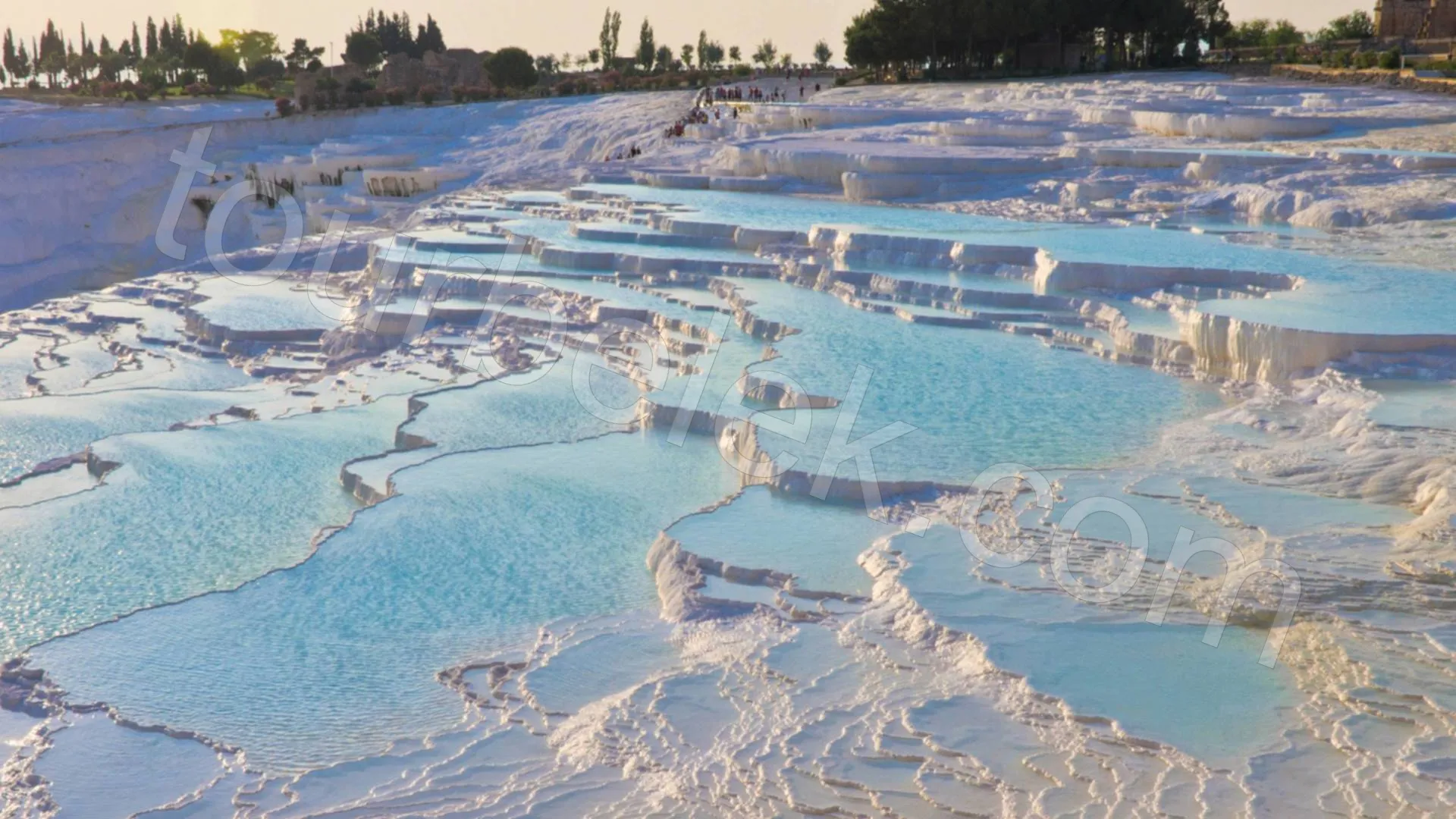
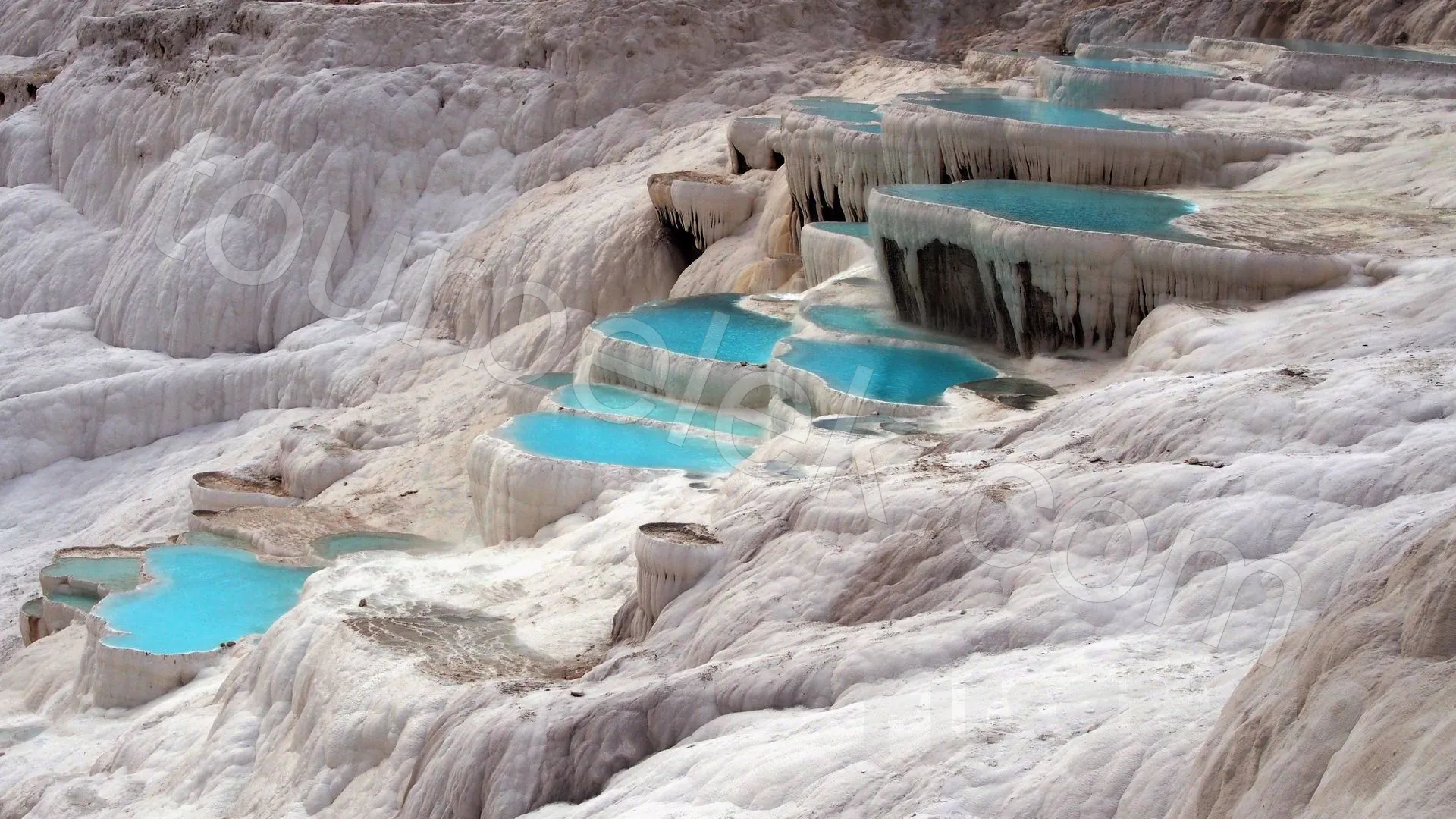
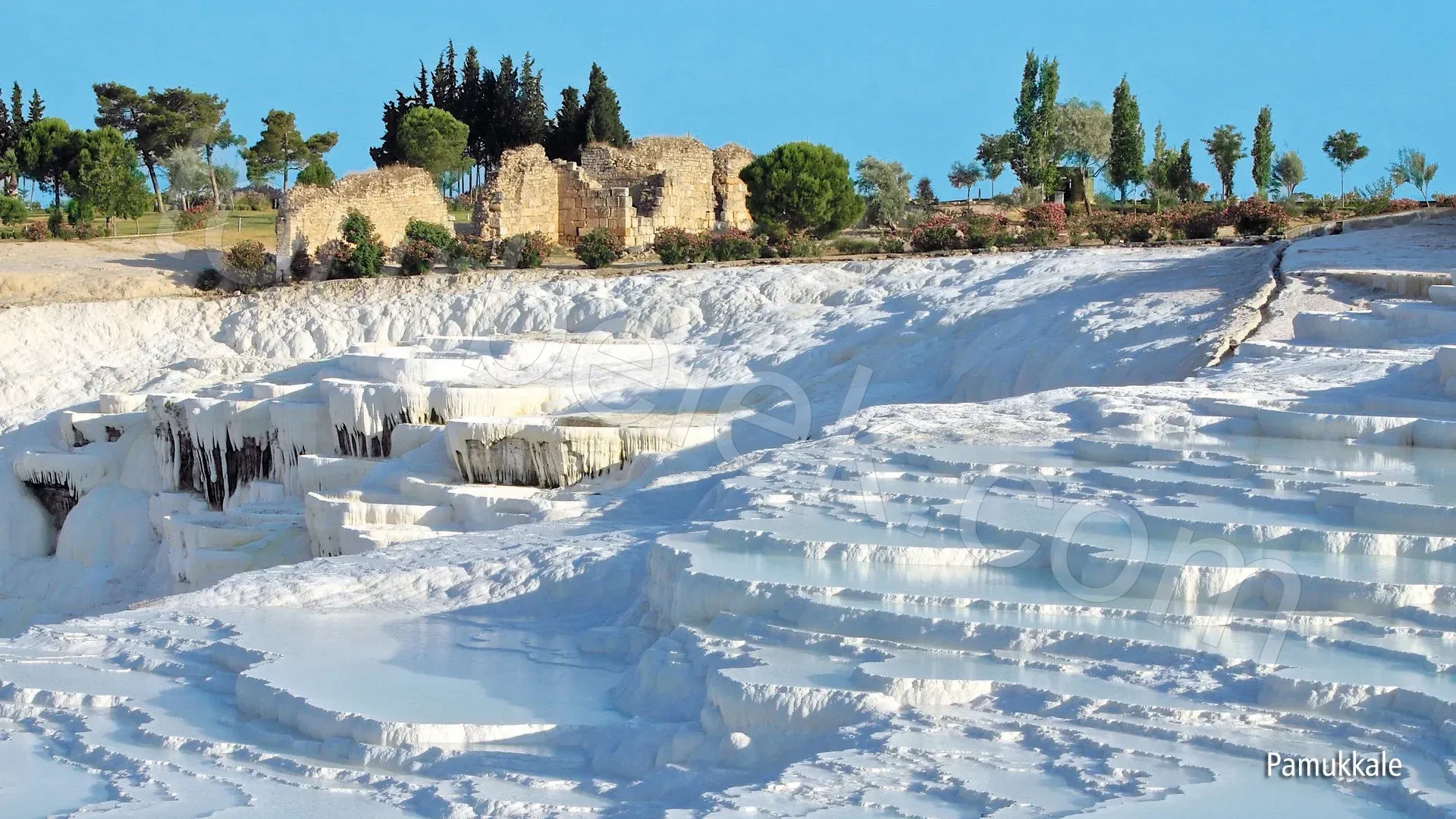
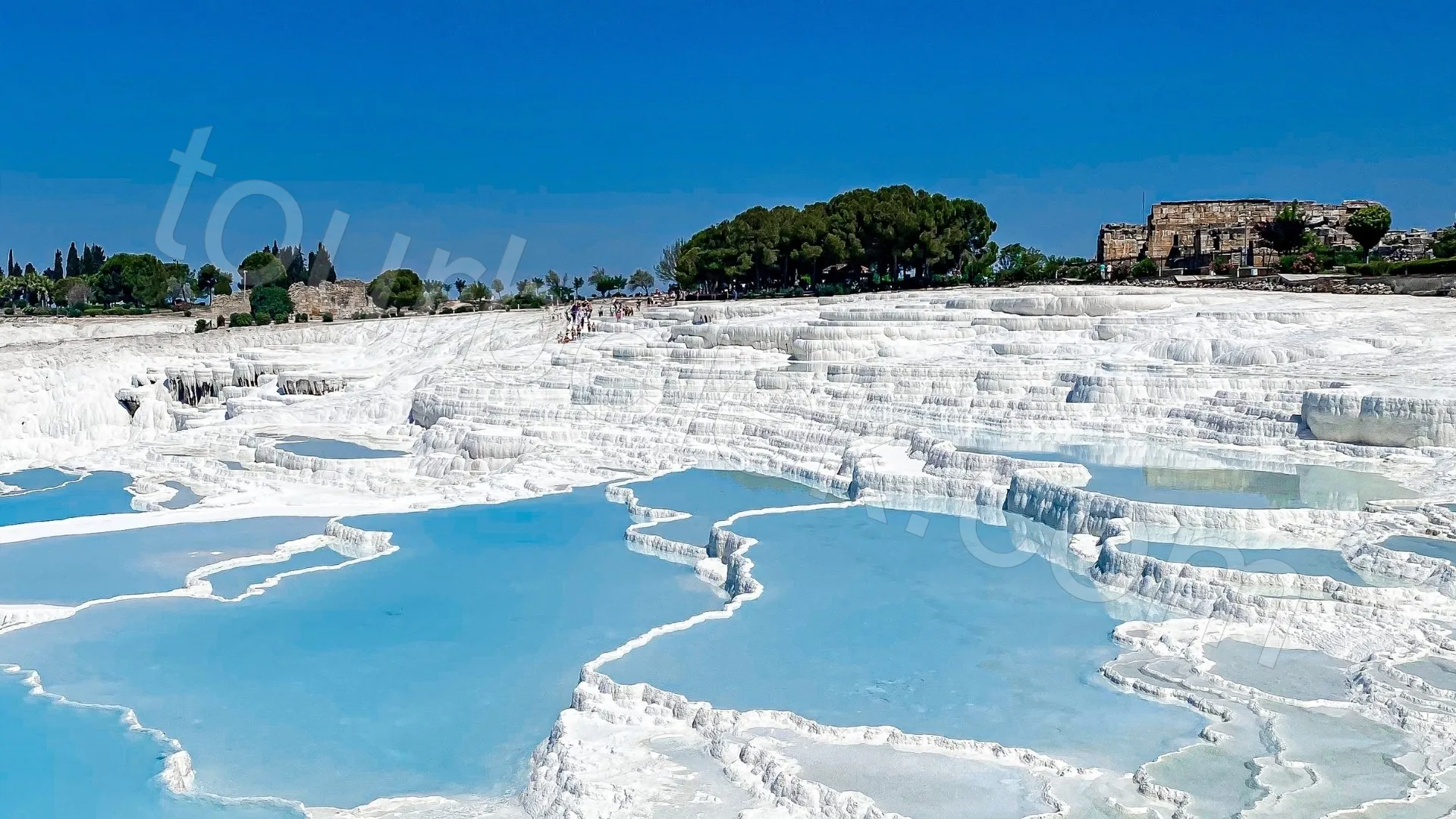
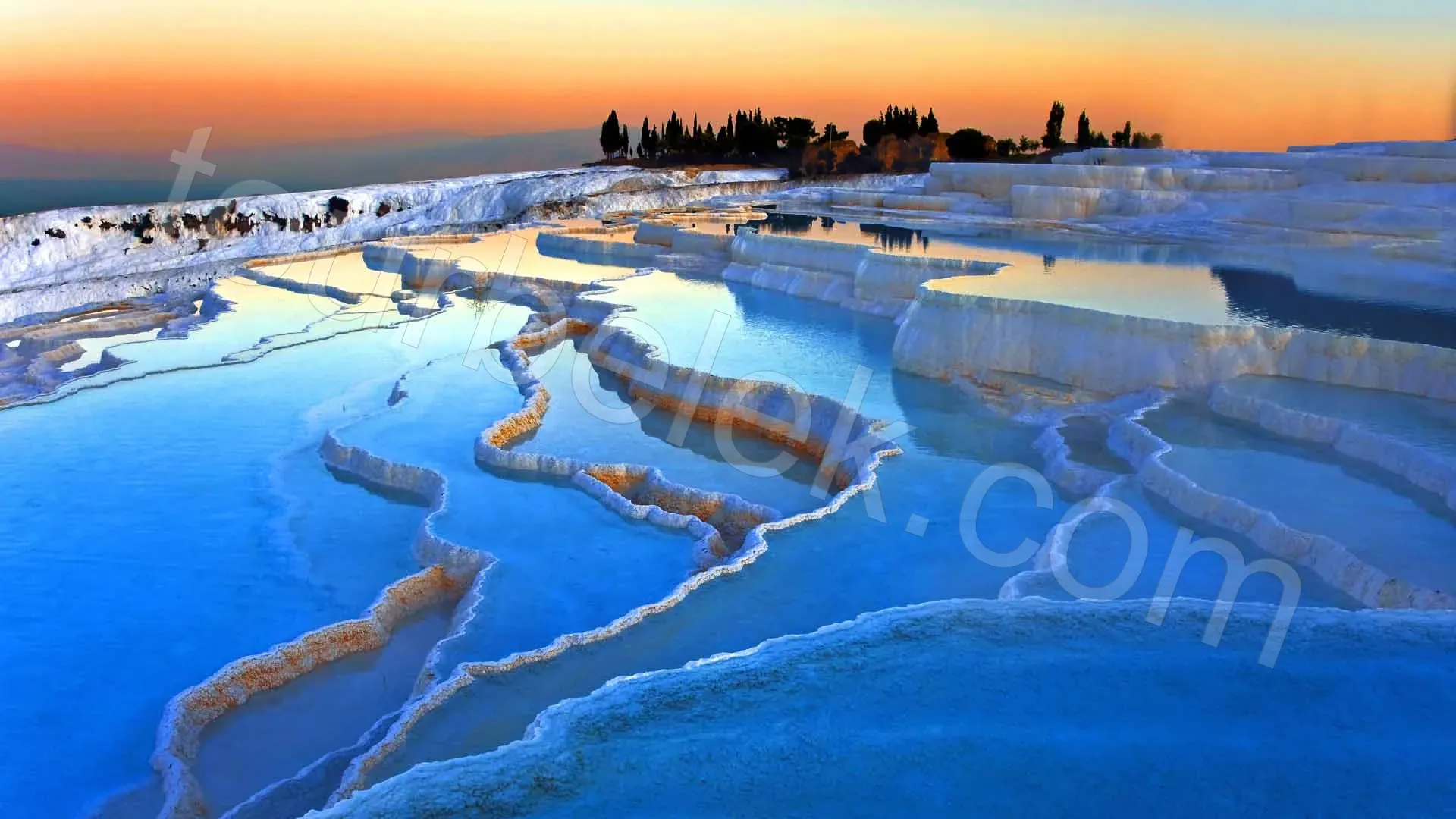
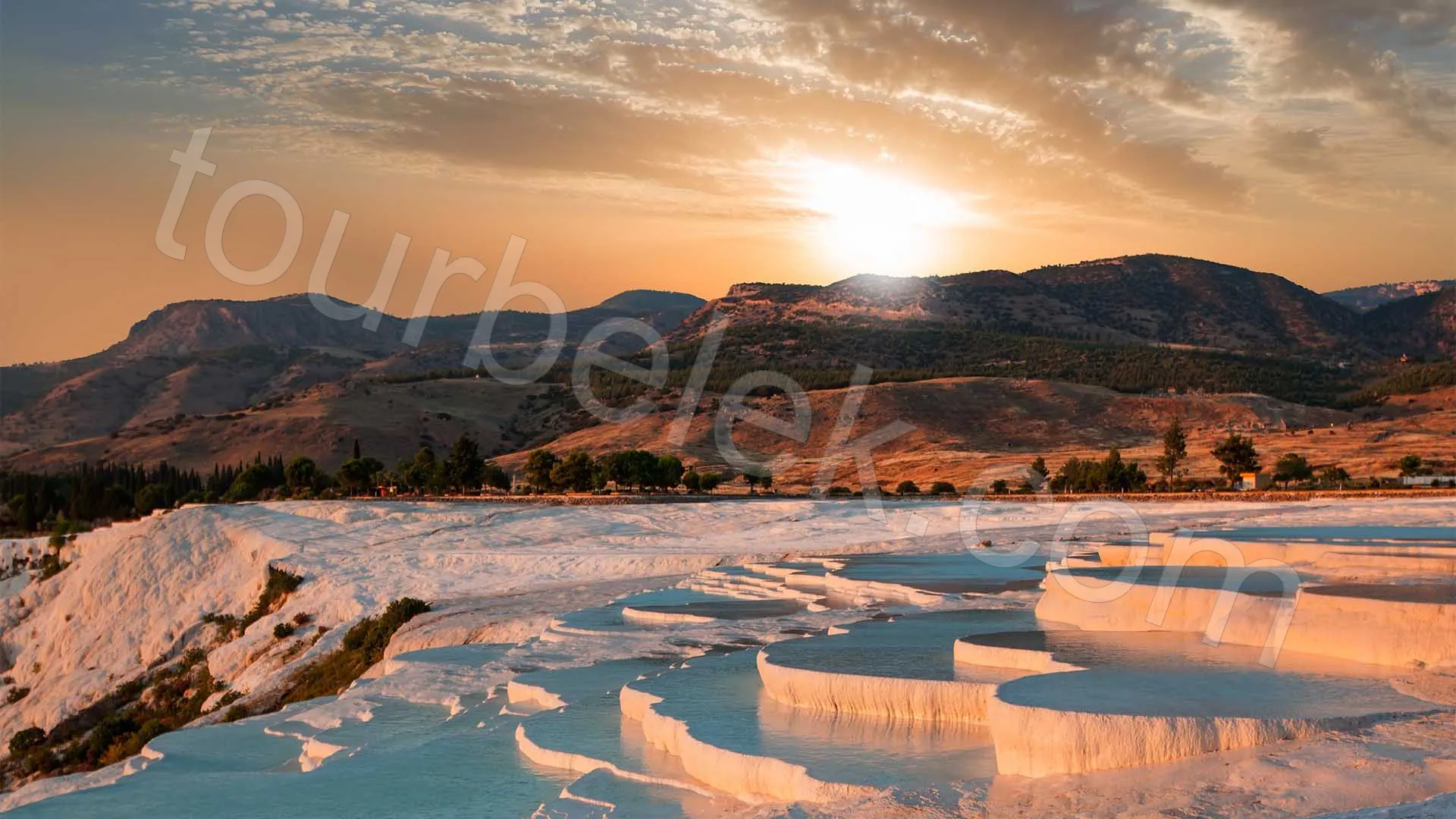
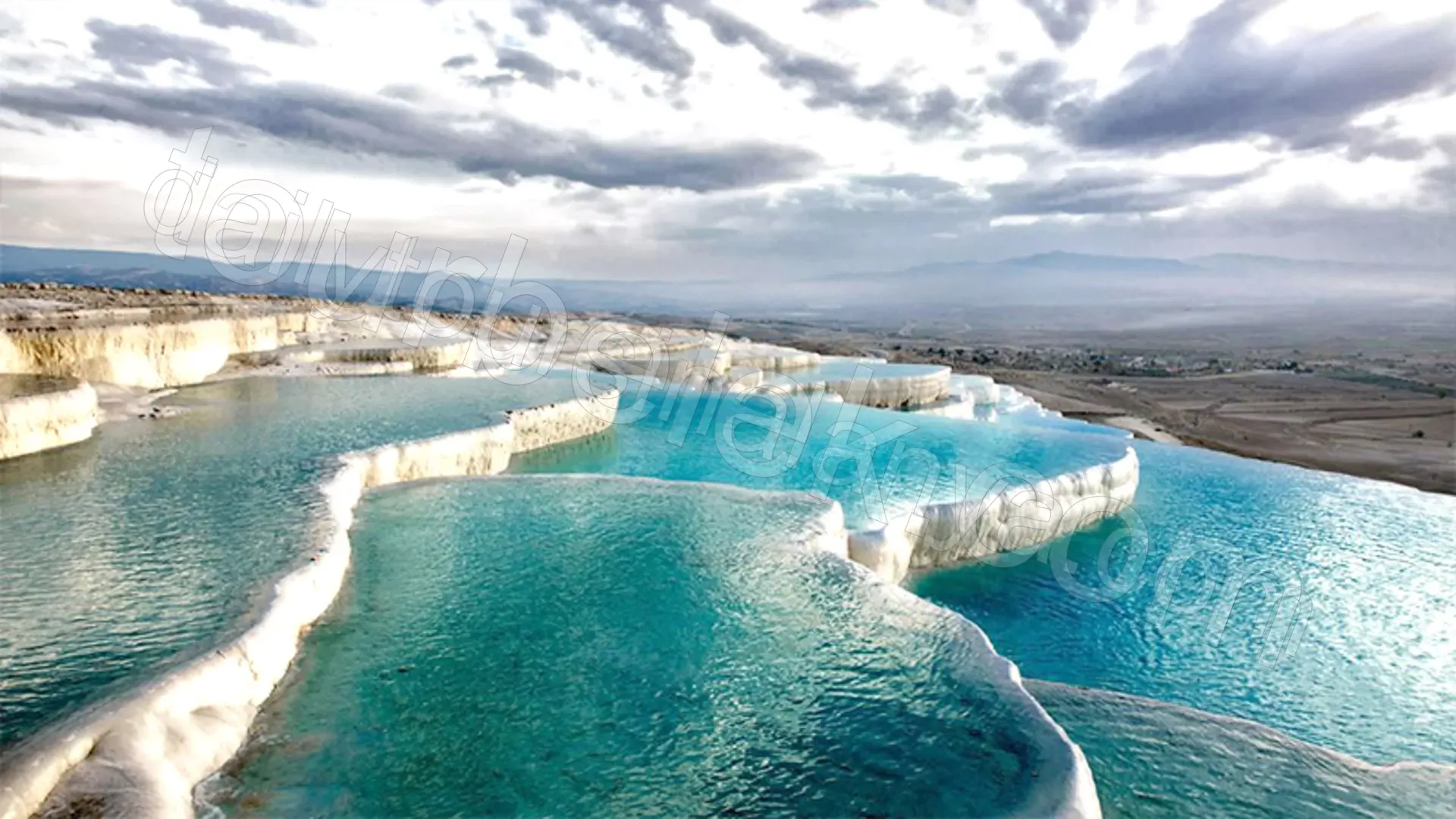
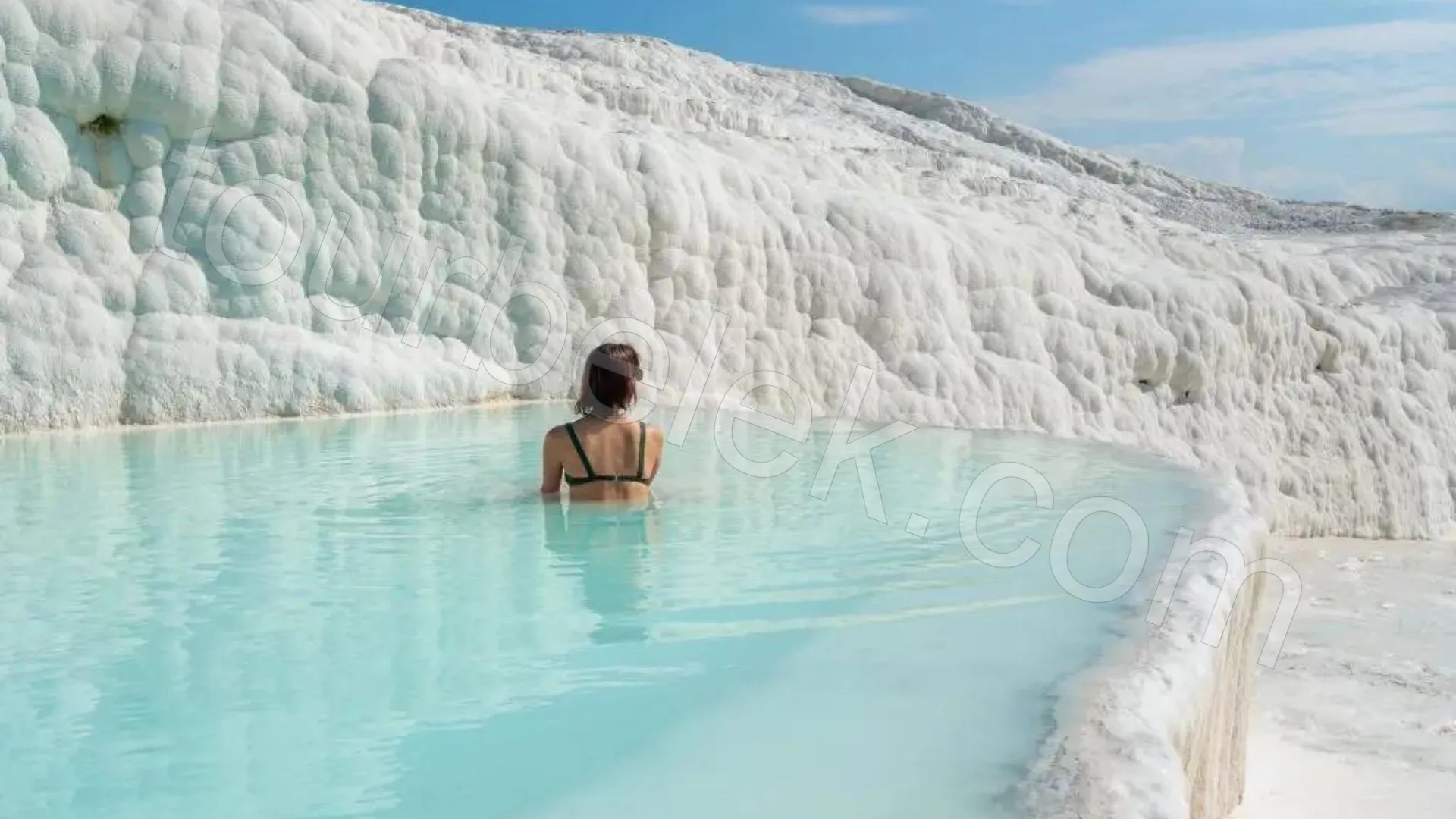
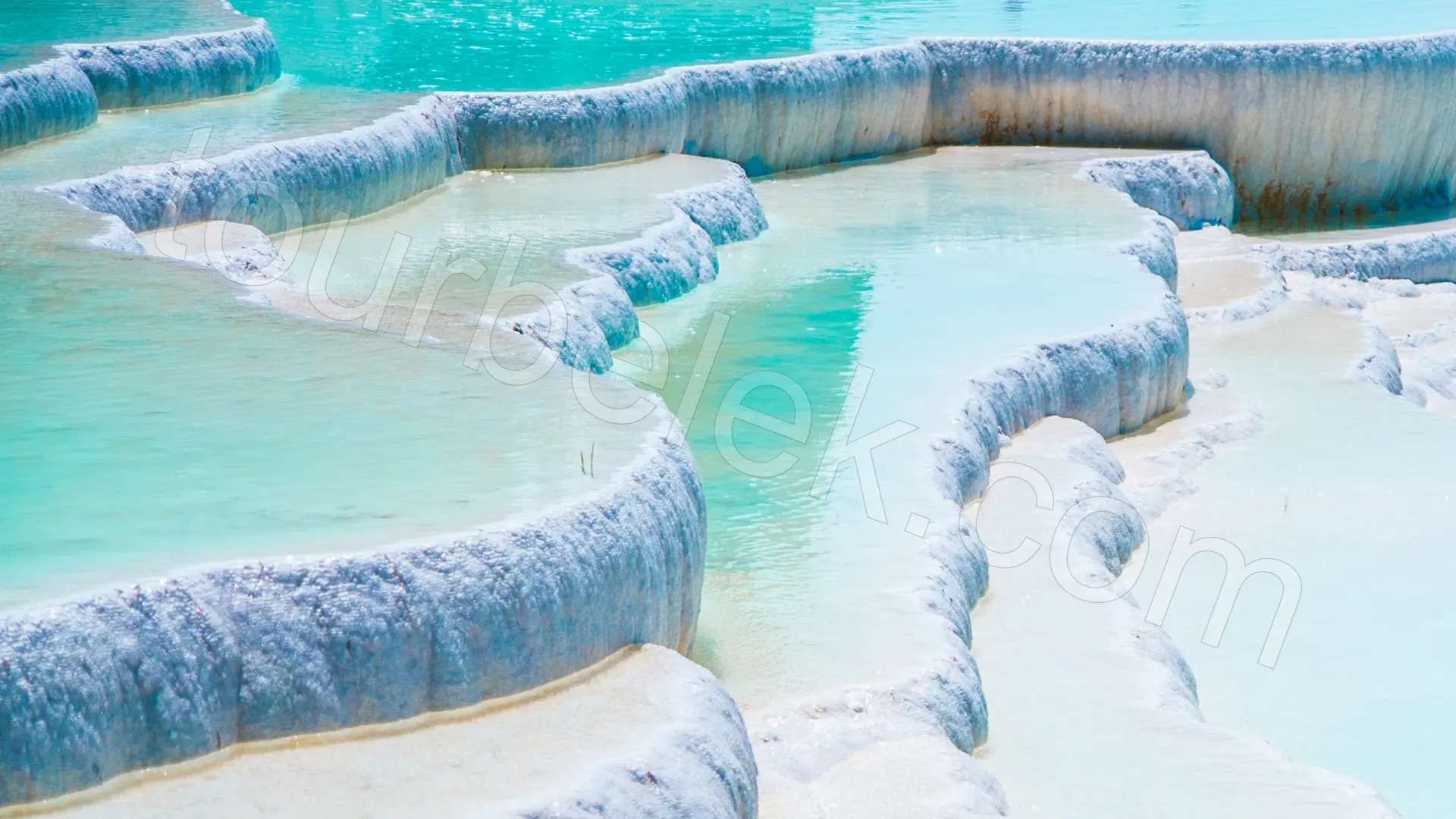
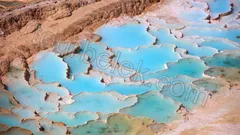
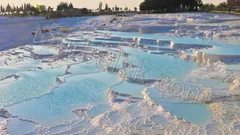
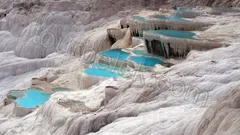
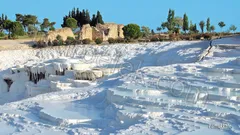
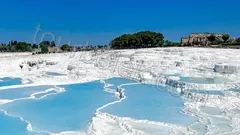
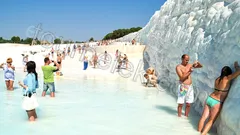
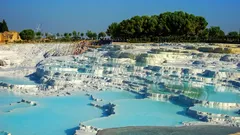
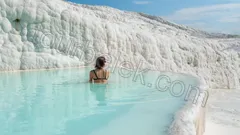
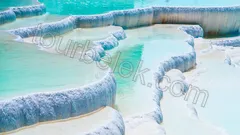
Located in Denizli province, Pamukkale translates as "Cotton Castle" in Turkish, a name inspired by the brilliant white travertine terraces shaped over thousands of years by calcium-carbonate-laden thermal springs. Listed as a UNESCO World Heritage Site since 1988, this natural wonder welcomes millions of visitors from around the globe each year. The Pamukkale day trip from Belek takes you to a formation that stretches roughly 2,700 metres in length and rises 160 metres up the hillside.
How the Travertines Formed Over Millennia
The terraces you see today are the product of a process that started around 400,000 years ago, when earthquakes opened pathways for underground thermal water to reach the surface. As this hot, mineral-rich water rises, it carries dissolved calcium carbonate. When it meets the open air it releases carbon dioxide, and the dissolved calcium carbonate solidifies into the iconic white deposits. Each terrace traps a shallow pool of warm thermal water, and the cycle continues to this day; the travertines are living geological formations that are still growing.
Healing Properties of the Thermal Waters
The thermal water at Pamukkale maintains a temperature between 33 and 36 degrees Celsius and is laden with calcium, magnesium, bicarbonate and sulphate. Since antiquity, these waters have been credited with therapeutic effects on skin conditions, joint pain, rheumatism and circulatory issues. During the Roman era the region became a renowned wellness destination, and that reputation persists; thousands of people still travel to Pamukkale each year to experience the soothing qualities of its mineral springs first-hand.
Walking the Travertines and Visitor Rules
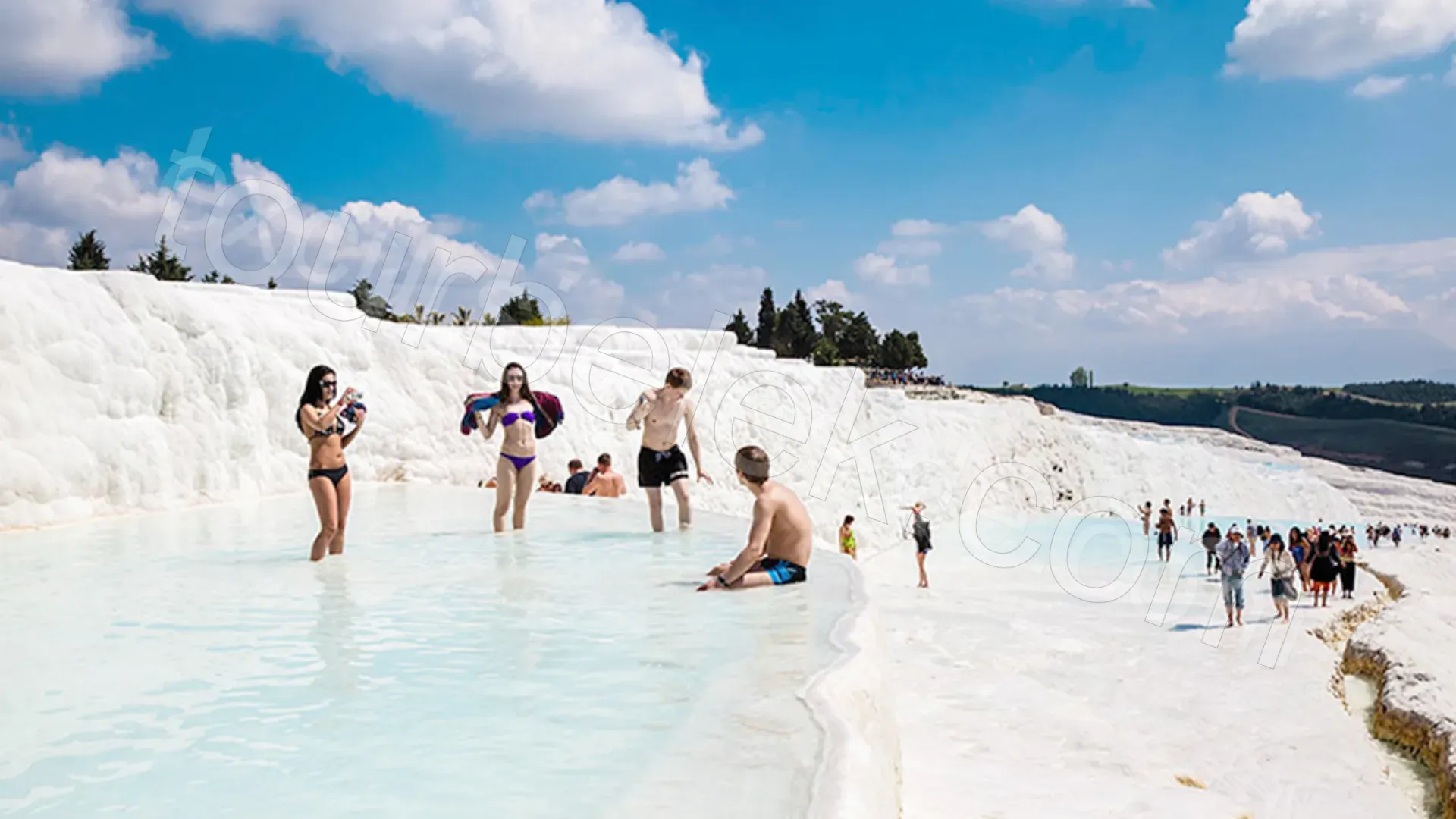
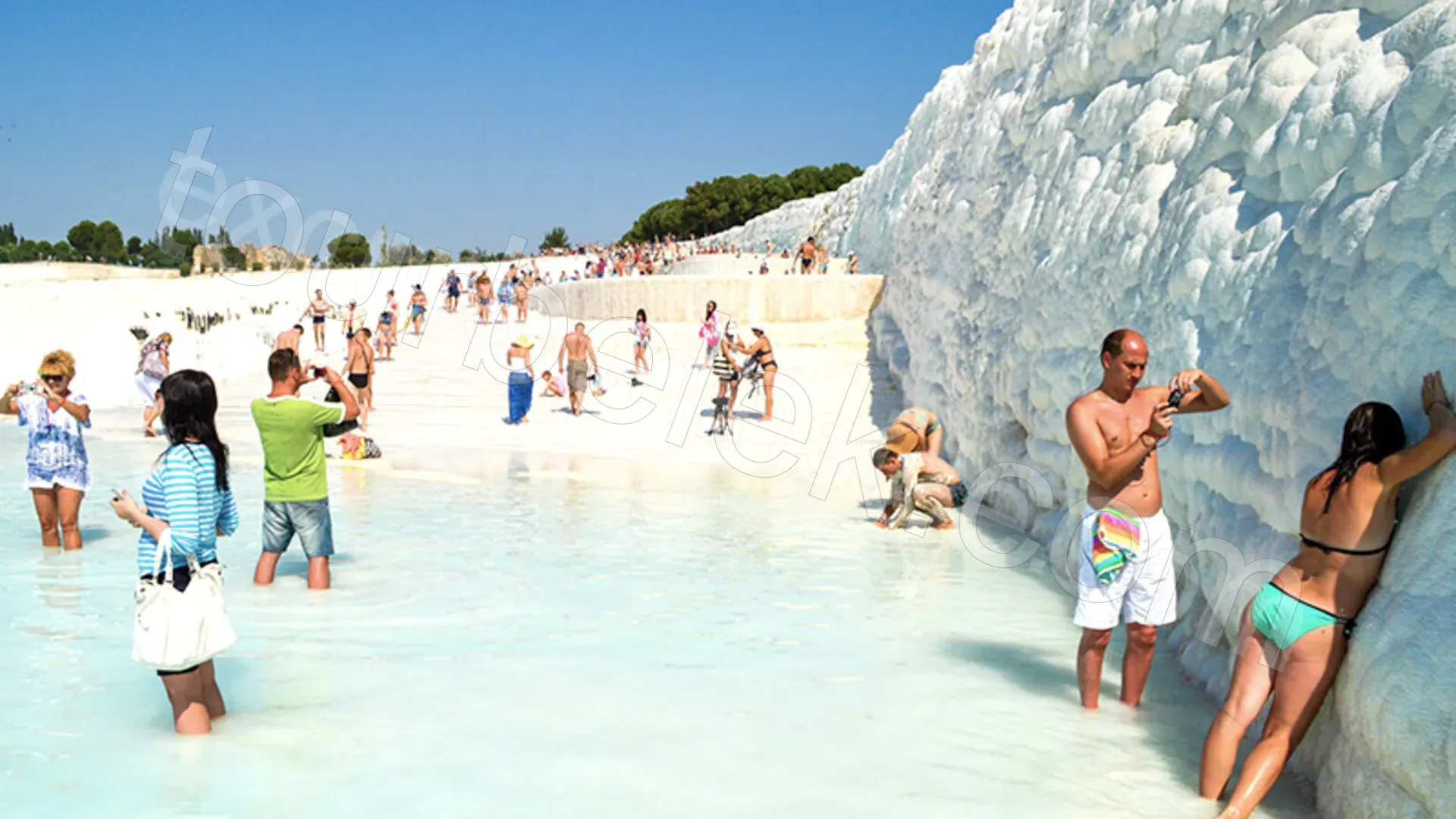
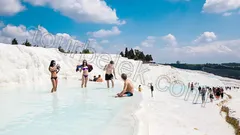
Entry onto the travertine terraces is strictly barefoot. Shoes, sandals and socks are all forbidden to protect the fragile surface. The ground can be slippery in places, so take slow, deliberate steps. The pools are too shallow for swimming, but you can sit on the edge and soak your feet in the warm thermal water while enjoying panoramic views. In earlier decades, hotels and roads built directly on the surface caused visible damage; following UNESCO intervention those structures were removed and today's strict conservation measures were introduced.
Cleopatra's Pool and the Sunken Columns
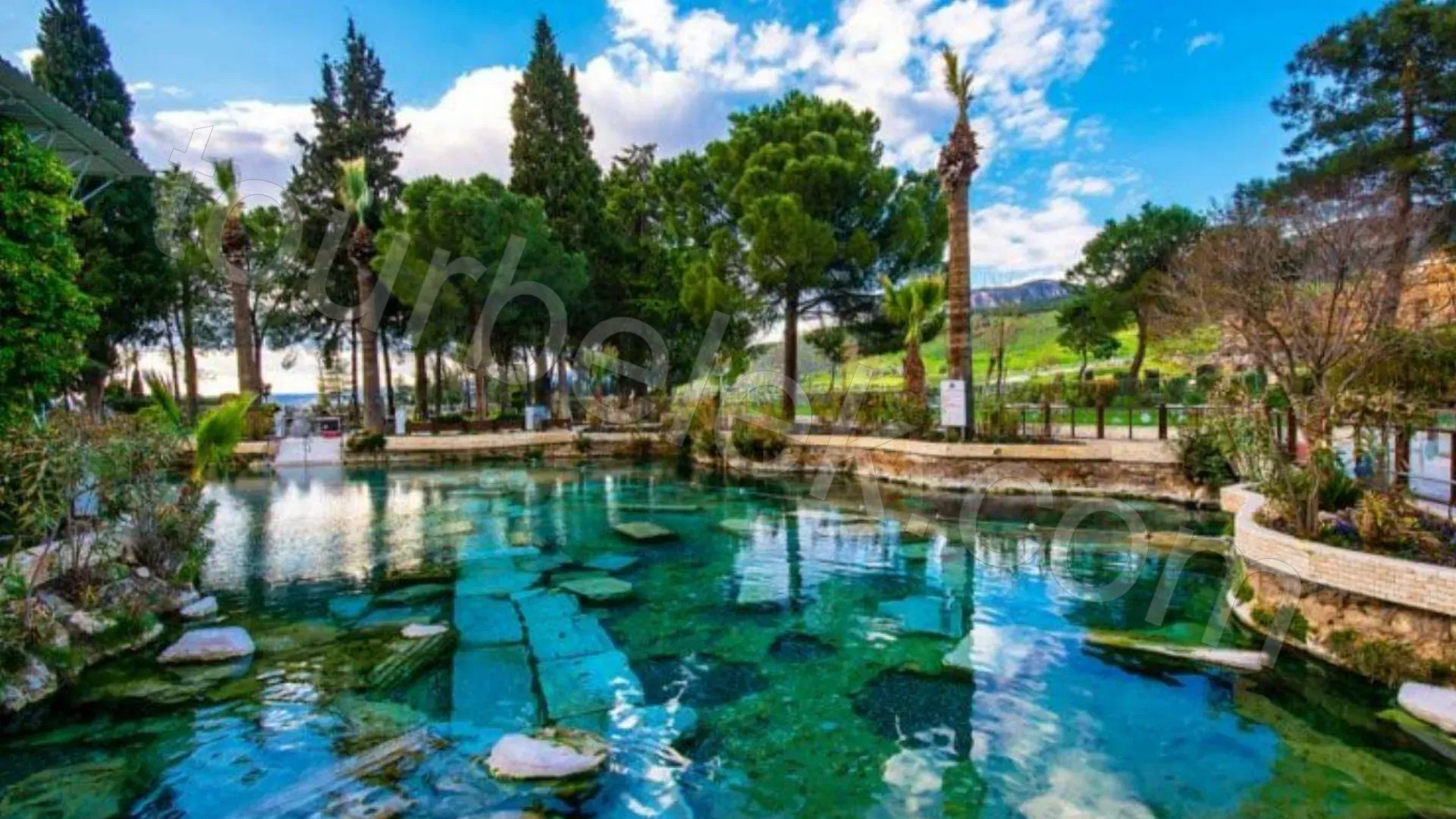
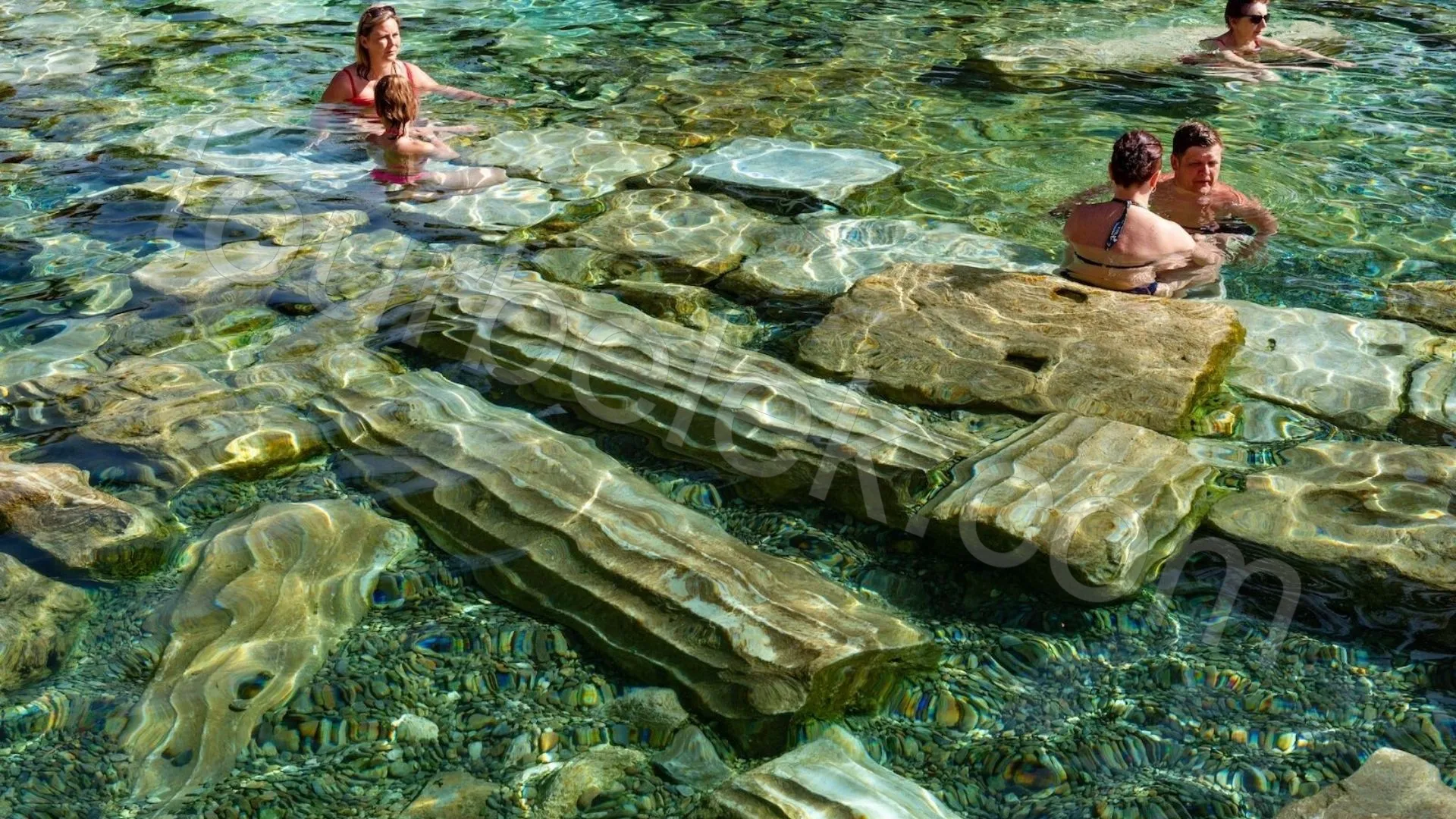
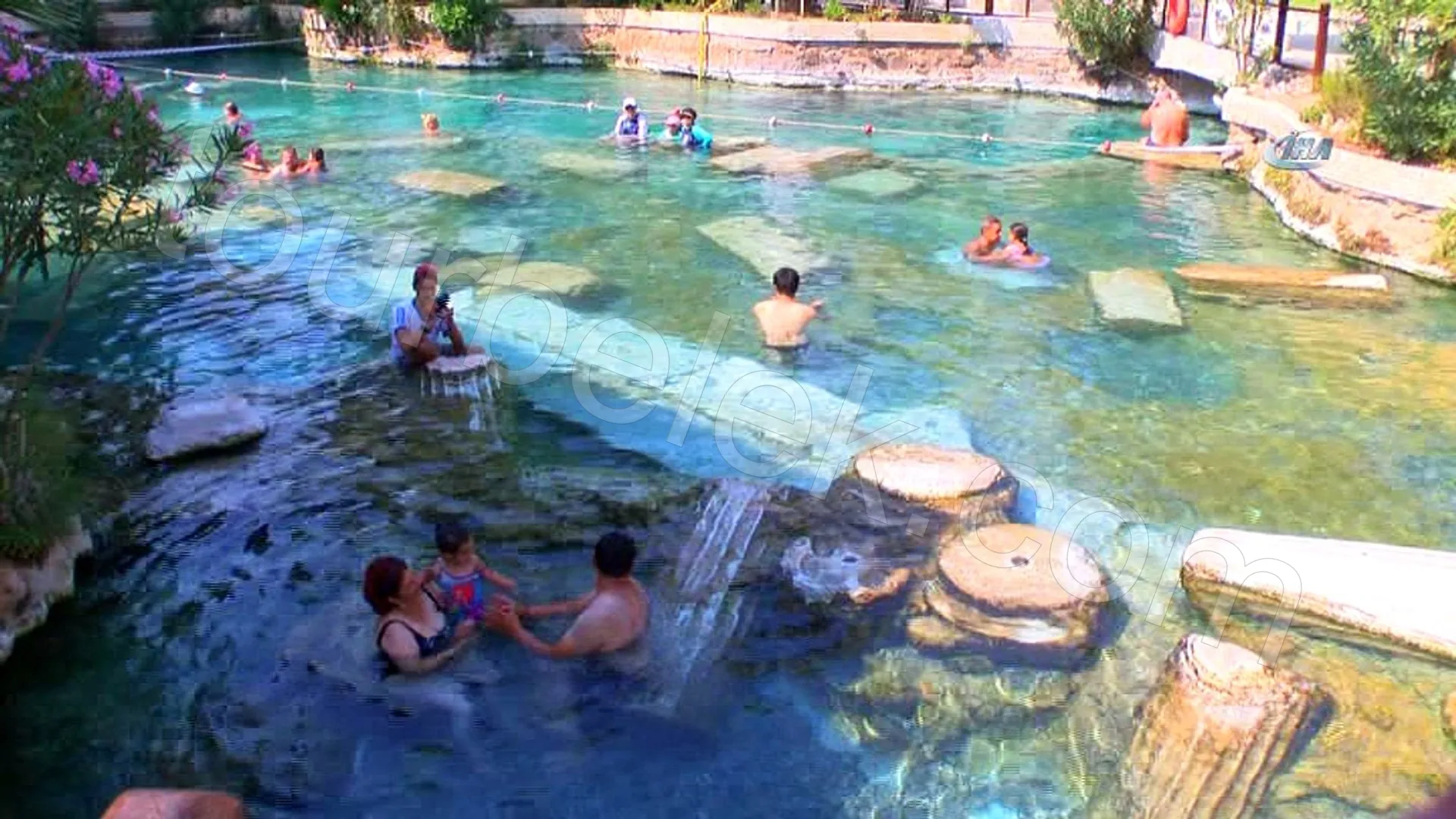
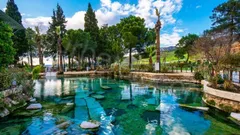
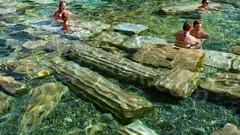
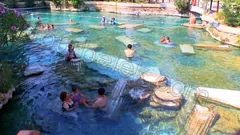
One of the most memorable stops within the Pamukkale site is Cleopatra's Pool, an ancient thermal pool whose origins are wrapped in legend. Roman general Marcus Antonius is said to have gifted the pool to the Egyptian queen Cleopatra. What makes it truly unique are the toppled ancient columns and architectural fragments lying beneath the surface, remnants of surrounding structures that collapsed during earthquakes centuries ago. Swimming among these sunken columns in 36-degree mineral-rich thermal water is an experience found nowhere else. Natural gas bubbles rising from the pool floor create a gentle effervescence, producing a sensation similar to a natural jacuzzi.
Hierapolis Ancient City and the Sacred Town
Perched directly above the travertines, Hierapolis takes its name from the ancient Greek for "sacred city." Founded in the 2nd century BC by King Eumenes II of Pergamon, the city quickly became one of the ancient world's leading healing centres thanks to its proximity to thermal springs. People travelled hundreds of kilometres to seek treatment here. Among the city's most enigmatic structures is the Plutonium, a cave from which toxic underground gases escape. In antiquity, priests declared it a gateway to the gods, conducting rituals that reinforced the city's sacred reputation.
Key Monuments to See in Hierapolis
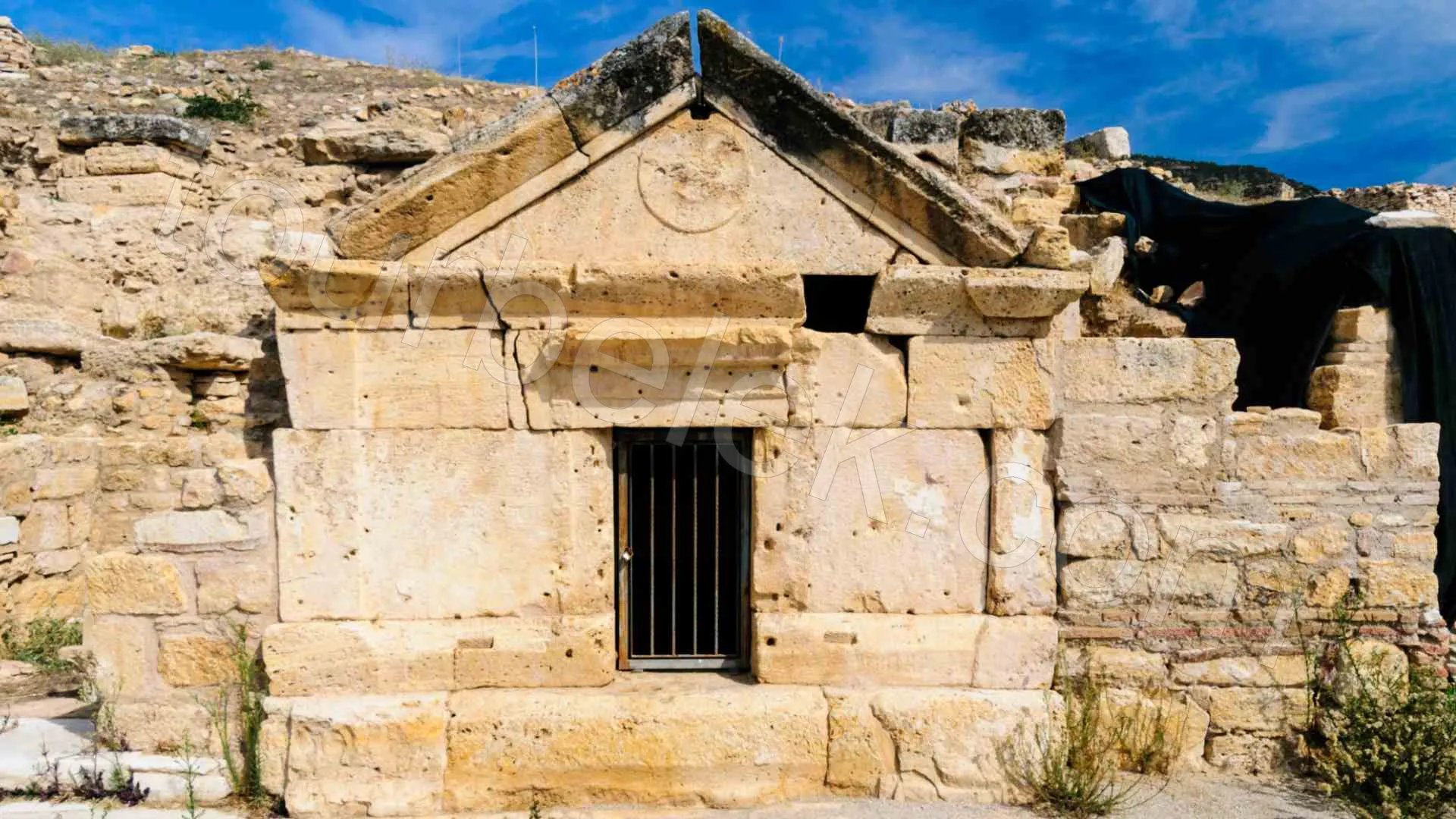
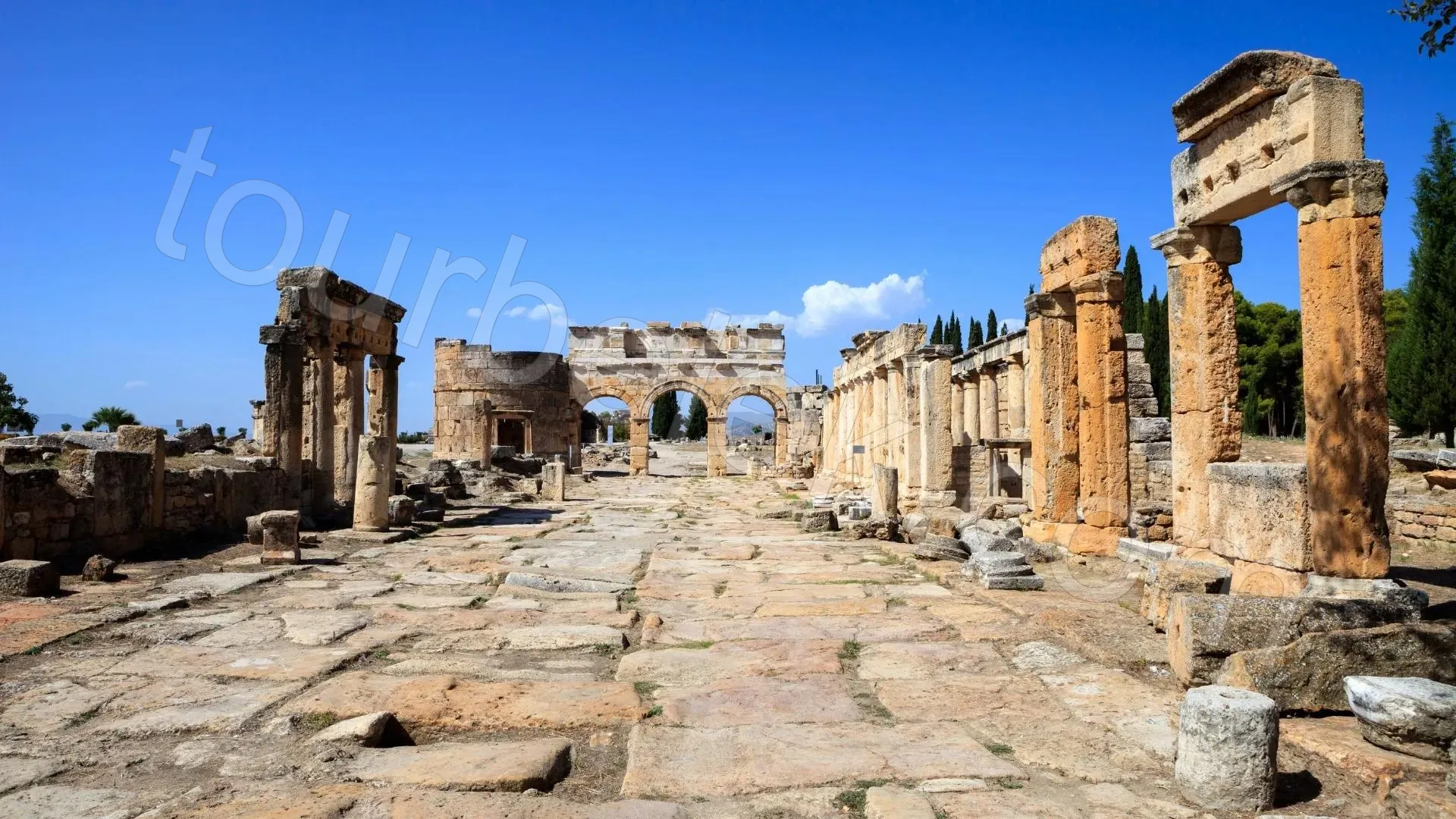
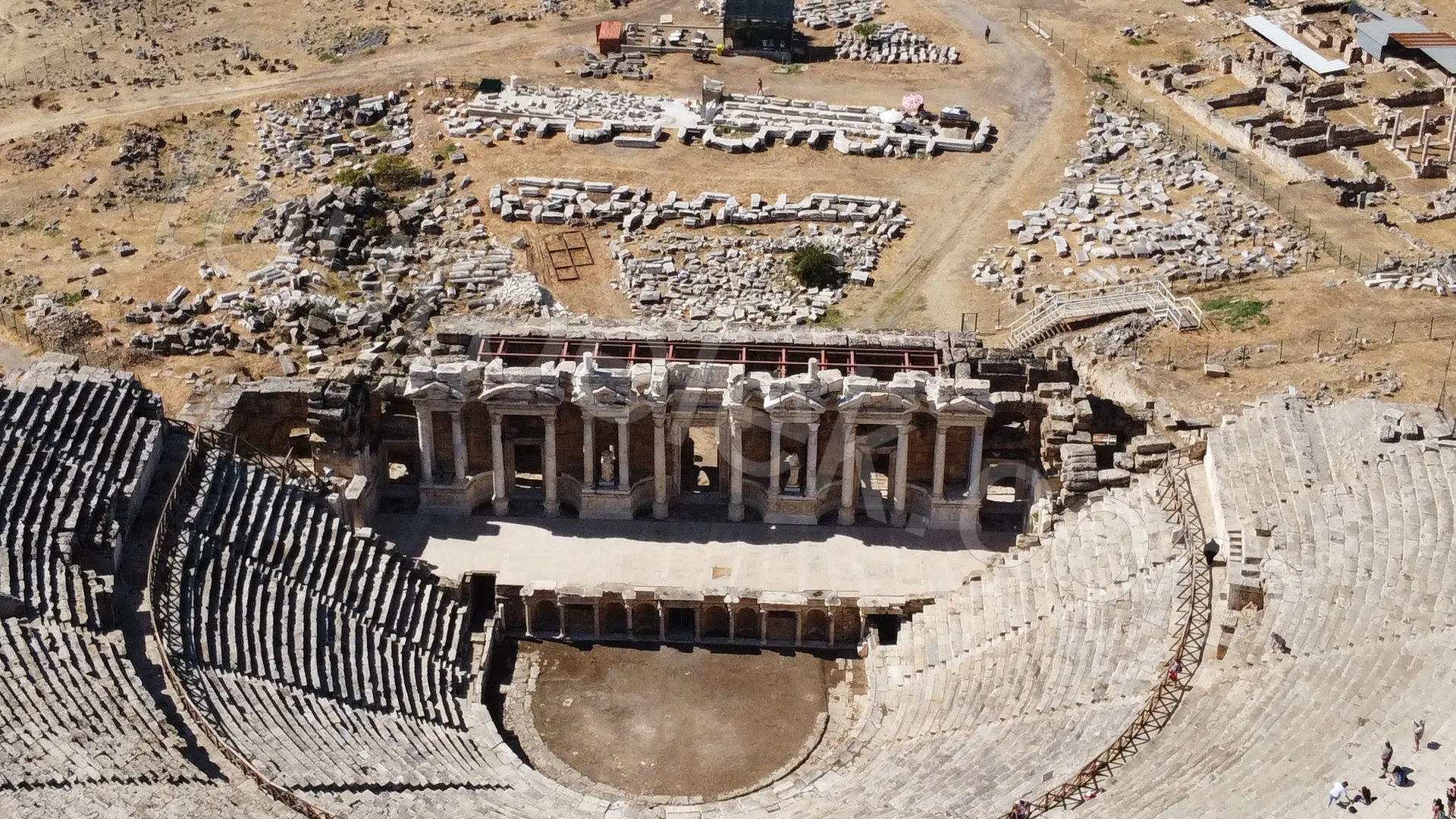
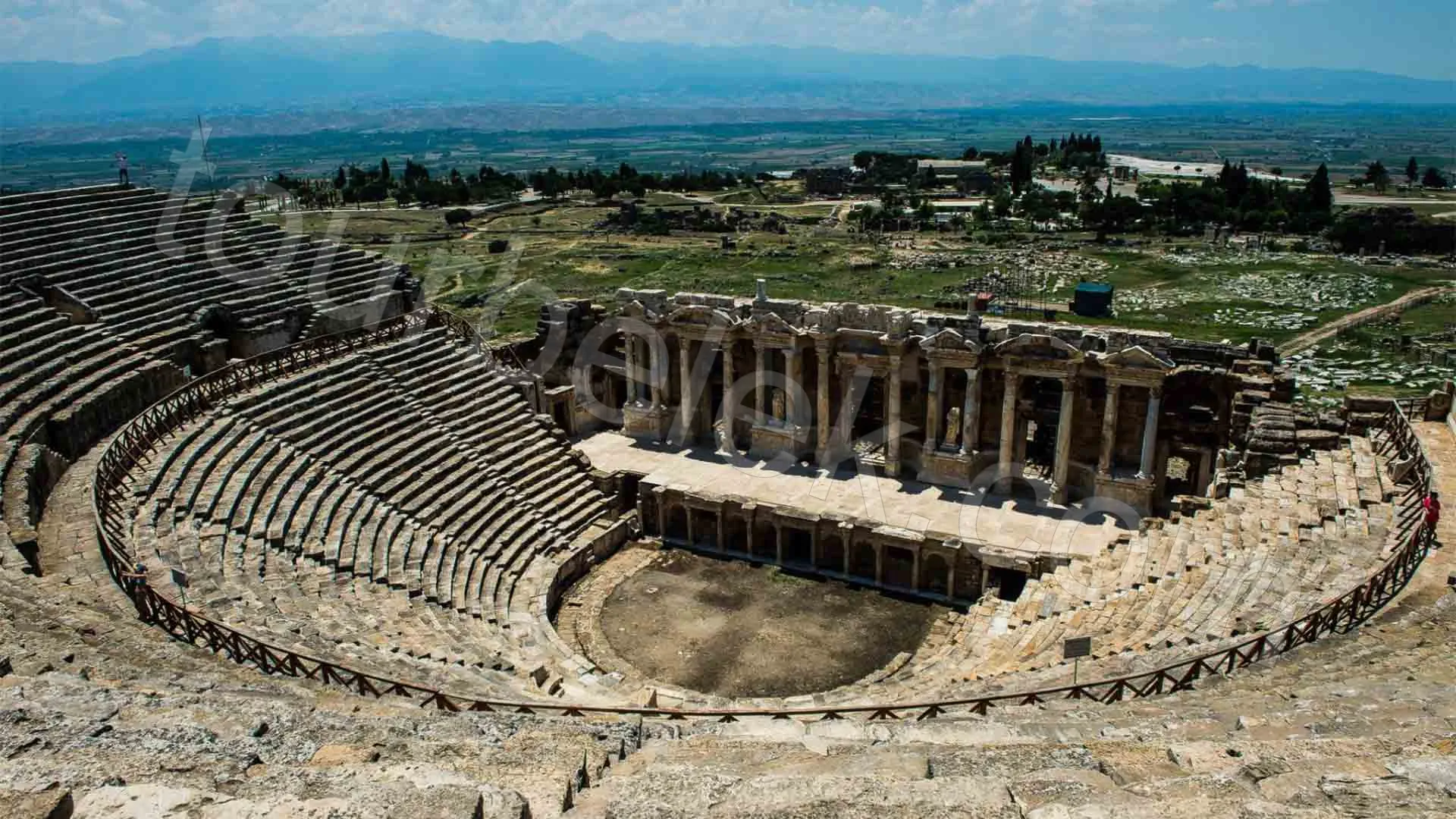
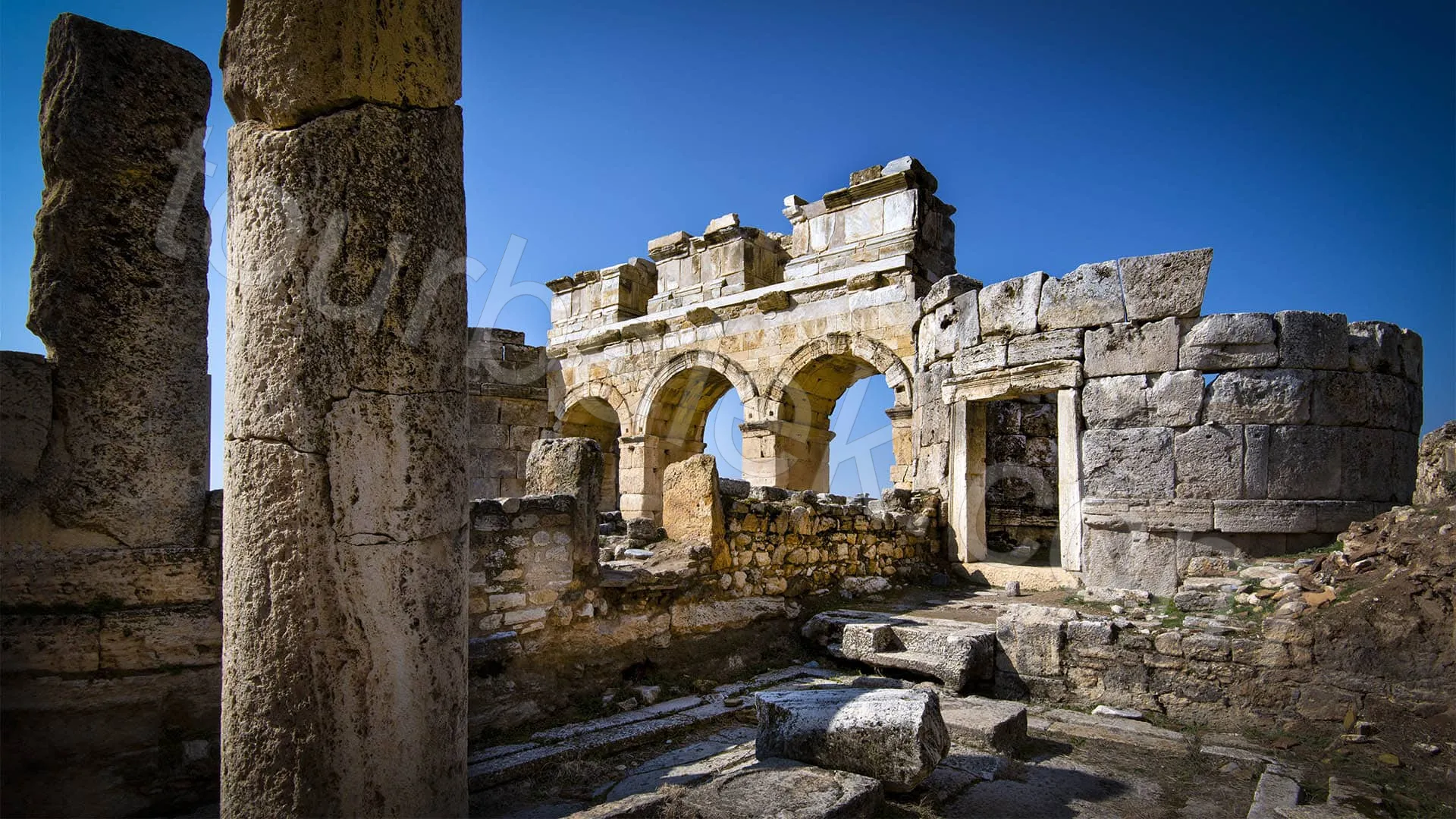
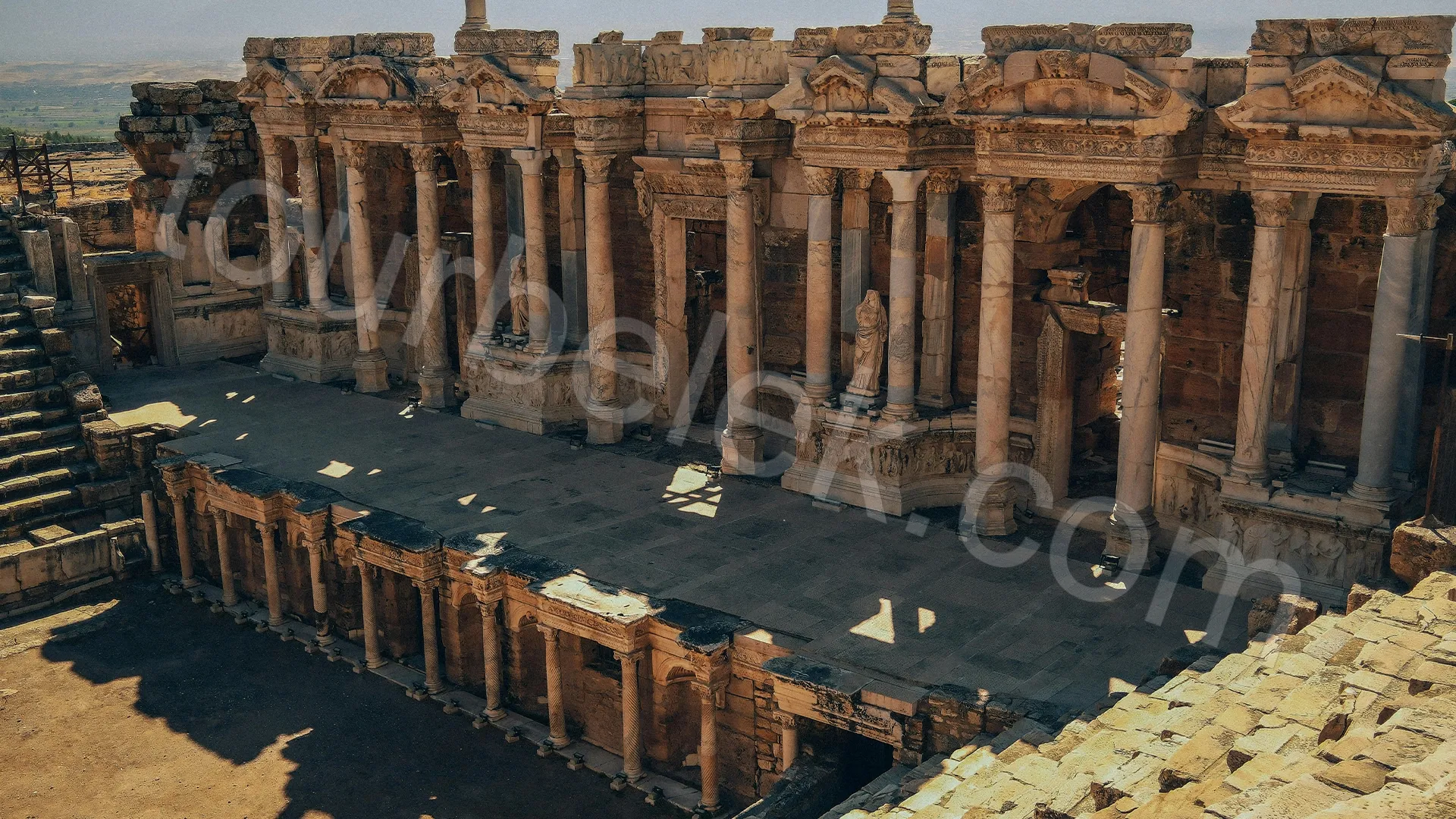
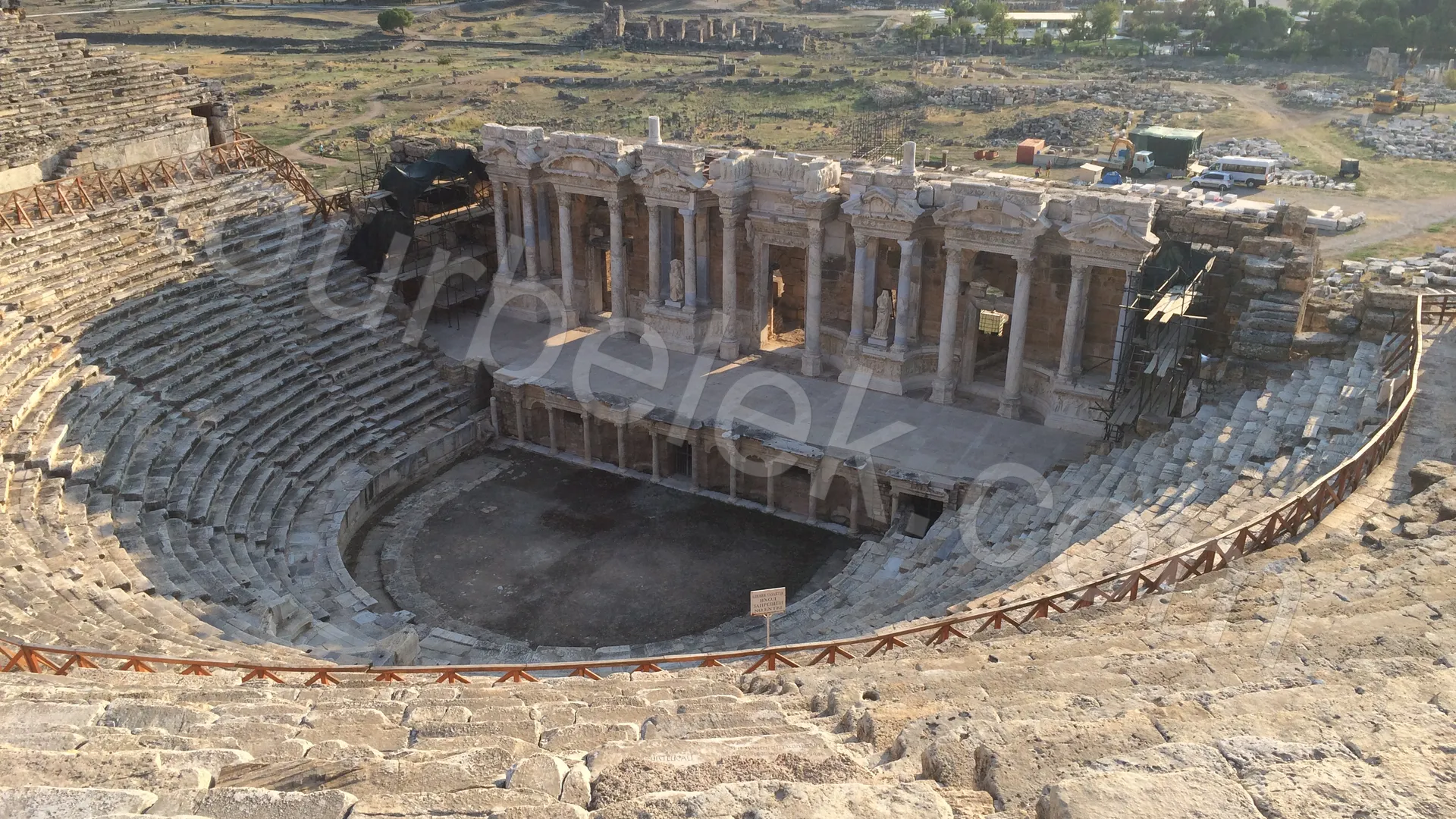
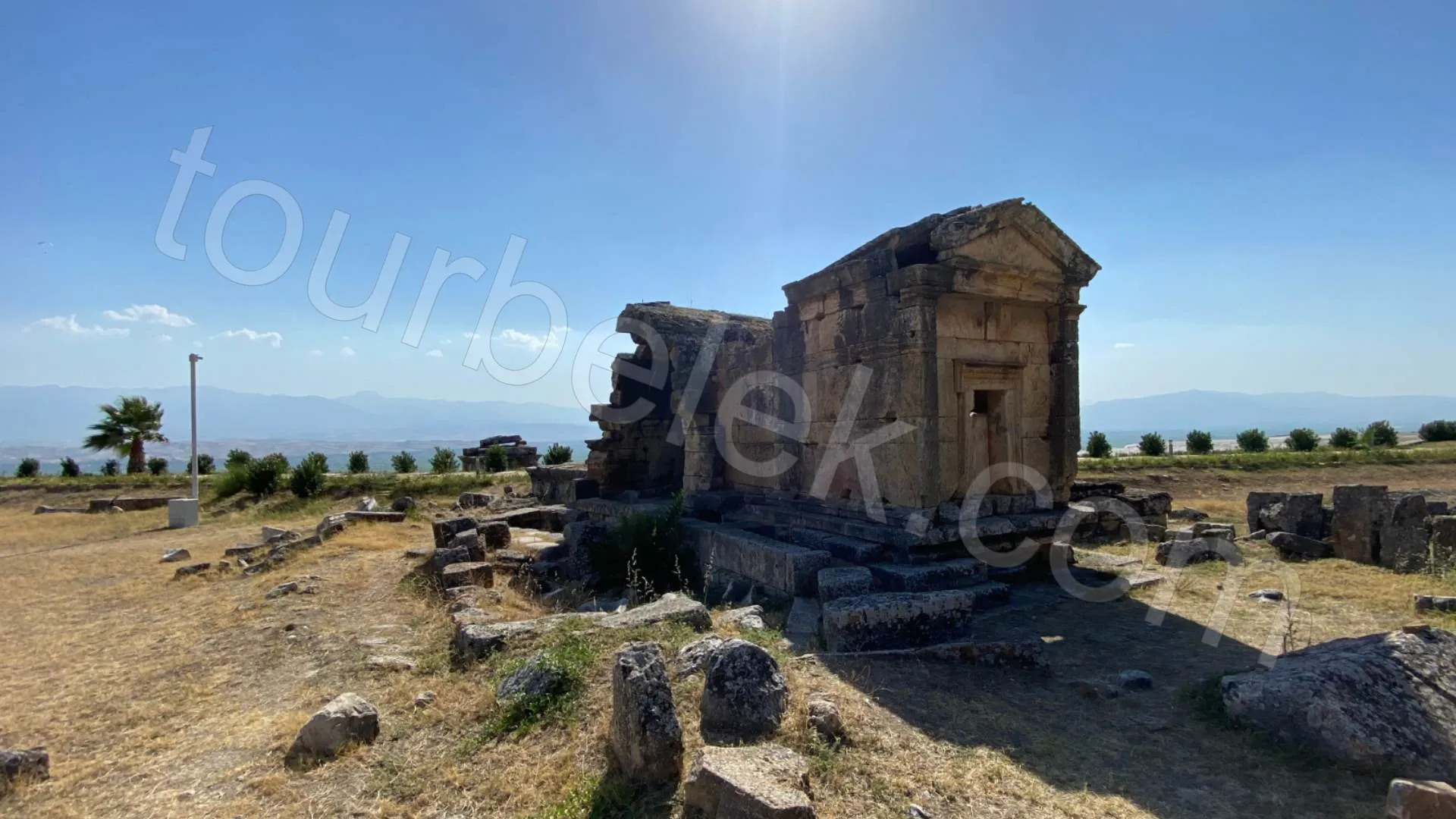
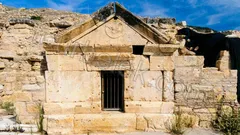
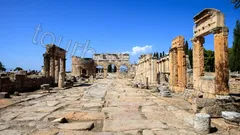
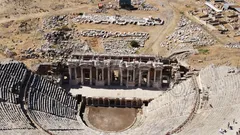
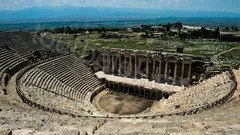
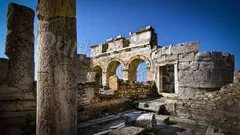
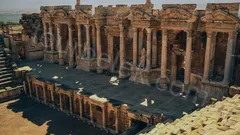
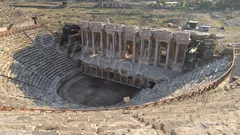
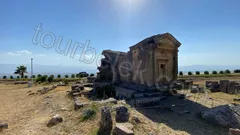
Hierapolis functions as an open-air museum of well-preserved ruins. Its grandest structure is the Roman theatre, built into the hillside with a capacity of more than 12,000 spectators; the stage building still displays detailed relief carvings. Beyond the theatre stretches the necropolis, one of the largest ancient cemeteries in the world, scattered with sarcophagi, tumuli and monumental tombs. In the city centre you will find Roman baths, colonnaded streets, temple foundations and defensive walls. With your guide, you gain insight into daily life during the Roman Imperial period as you walk through each section.
Distance from Belek to Salda Lake and Pamukkale
The distance between Belek and Salda Lake is approximately 200 kilometres, a drive that takes roughly 2.5 to 3 hours by road. From Salda Lake to Pamukkale the distance is about 95 kilometres, with the transfer between the two sites taking between 1 and 1.5 hours. These manageable distances make it practical to visit both destinations comfortably in a single day. Pamukkale falls within Denizli province; Denizli is one of Turkey's prominent textile cities, and you will catch a glimpse of its lively atmosphere as you pass through.
Guests staying outside central Belek can also join this excursion. Kadriye is roughly 185 km from Salda Lake, Bogazkent approximately 203 km, and Serik around 191 km. TourBelek provides hotel transfers from all of these neighbouring areas.
Standard and Plus Ticket Options
Two ticket tiers are available for this tour. The Standard ticket covers transport, guide service, insurance and three meals. The Plus ticket adds the Pamukkale archaeological site entrance fee on top of everything included in the Standard option. Cleopatra's Pool admission is charged separately under both ticket types. You can select your preferred ticket before the tour date.
Best Photo Spots Along the Route
Keep your camera close throughout the day. At Salda Lake, the most striking shots come from the shallow areas where the shoreline meets the water and the white sand creates a vivid contrast against the turquoise surface. At Pamukkale, panoramic angles from the upper terraces looking down into the valley are particularly dramatic, especially in the late afternoon when golden light reflects off the white surface. One of the most shared images on social media is the view of Pamukkale captured from the top rows of the Hierapolis theatre.
Practical Advice for Families and Special Needs
This excursion lasts approximately 18 hours, starting early in the morning and ending late in the evening. Families with small children are welcome, but the long coach transfers can be tiring for children under four. Bringing snacks and entertainment for young ones is recommended. For elderly participants or those with limited mobility, it is possible to take the coach to the top of Pamukkale and walk the terraces downhill on a shorter route. Pregnant visitors should consult their doctor before entering the thermal waters at Cleopatra's Pool.
Facilities Around Salda Lake
Small cafes, snack stands and souvenir shops operate near the lake entrance. Toilet facilities are available at the nature park gate. Changing cabins exist but are limited in number, especially during the summer peak. Accommodation options such as Hotel Lago Di Salda and Aromatic Hotel are located nearby, though overnight stays are not necessary for this day trip.
Best Time of Year to Take This Tour
The Salda Lake and Pamukkale Tour from Belek runs throughout the year, and each season has its advantages. Summer is ideal for swimming in Salda Lake, though temperatures can exceed 35 degrees and there is no shade on the travertines. Spring and autumn offer milder weather and thinner crowds. In winter, Salda Lake is too cold for swimming, but the thermal waters at Pamukkale remain between 33 and 36 degrees year-round. Weekdays tend to be noticeably quieter than weekends if you prefer to avoid the busiest periods.
Drone Regulations at Salda and Pamukkale
Both Salda Lake Nature Park and the Pamukkale UNESCO site are protected zones where drone use is subject to restrictions. Flying a drone without authorisation can result in fines. Anyone wishing to carry out professional aerial filming must obtain permission from the relevant authorities in advance.
Add a Unique Day to Your Belek Holiday
A Belek holiday typically revolves around sun, sea and resort comfort. With the Salda Lake excursion from Belek, you can step beyond the hotel grounds and experience two of Turkey's most remarkable natural wonders in a single day. The tranquillity of Salda, the grandeur of Pamukkale and the historic layers of Hierapolis bring a different dimension to a beach holiday. This route spans nature photography, historical discovery, thermal bathing and natural clay treatments.
Frequently Asked Questions
The distance between Belek and Salda Lake is approximately 200 kilometres. Including the hotel pick-ups and a breakfast stop, you can expect to arrive at Salda Lake around 09:30 in the morning.
Yes, swimming is permitted in designated areas of Salda Lake. The water is fresh, crystal-clear and rich in minerals. Bringing a swimsuit and towel is all you need.
No, entry to the travertines is strictly barefoot. Shoes, sandals and socks are all forbidden. This rule is enforced to protect the delicate surface of the formations.
Cleopatra's Pool admission is not included in either the Standard or the Plus ticket. Those who wish to enter pay a separate fee on site.
Both tickets cover transport, guide service, insurance and three meals. The Plus ticket additionally includes the Pamukkale archaeological site entrance fee. With the Standard ticket, the Pamukkale entrance fee is an extra charge.
The tour lasts approximately 18 hours. Hotel pick-ups begin around 04:30 in the morning and the return drop-off is around 22:30 in the evening.
Children of all ages are welcome. However, the 18-hour duration and long coach transfers can be tiring for children under four. Bringing snacks and activities to keep them entertained is recommended.
White clay that accumulates along the shores of Salda Lake is a natural hydromagnesite-based material. It is believed to soften and cleanse the skin. Visitors spread the clay over their bodies for a natural spa experience and then rinse off in the lake.
The tour runs year-round. Summer is perfect for swimming in Salda Lake but temperatures are high. Spring and autumn offer mild weather and fewer crowds. In winter Salda is cold, but the thermal waters at Pamukkale stay warm all year.
NASA found that the hydromagnesite and carbonate structures at Salda Lake closely match those of the Jezero Crater on Mars. This discovery made Salda a scientific reference point for understanding potential signs of ancient life on Mars.
Hierapolis features a Roman theatre seating over 12,000, one of the largest ancient necropolises in the world, Roman baths, colonnaded streets, temple remains and city walls. Your guide provides detailed commentary throughout the visit.
Yes, a coach can take you to the top of Pamukkale so you can walk the terraces on a shorter downhill route. Coaches are air-conditioned with comfortable seating. Note that some terrain at Hierapolis is uneven.
Toilets and a limited number of changing cabins are available at the nature park entrance. Shower facilities are very limited, so bringing a towel and a spare set of clothes is advisable.
Both areas are protected zones where unauthorised drone use is prohibited and may result in fines. Anyone wishing to carry out professional filming must obtain permission from the relevant authorities in advance.
No advance payment is required. The full amount is paid on the day of the tour.
Pregnant visitors are advised to consult their doctor before entering Cleopatra's Pool or the Pamukkale thermal waters. The high mineral content and temperature may not be suitable in all cases.
The itinerary includes visits to an onyx store and a wine store. These stops are brief and shopping is entirely optional.
Salda Lake is Turkey's deepest freshwater lake and the third deepest in the world. Its two-million-year geological history, unique hydromagnesite minerals and role as a NASA reference site for Mars research give it exceptional scientific and natural significance.