Cappadocia is one of Turkey's most extraordinary regions, a place where nature and history overlap in ways that feel almost impossible. Straddling the provinces of Nevşehir, Aksaray, Kayseri and Niğde on the Central Anatolian plateau, this landscape of volcanic formations, rock-hewn settlements and millennia-old civilisations functions as an open-air museum unlike any other on earth.
A Cappadocia tour from Belek lets you add a two-day history and nature detour to your Mediterranean holiday without complicated logistics. A comfortable coach, a professional English-speaking guide and regular rest stops turn the long drive into an enjoyable part of the experience rather than a chore. Below you will find a detailed look at everything these two days have in store.
How Volcanoes Sculpted the Fairy Chimneys
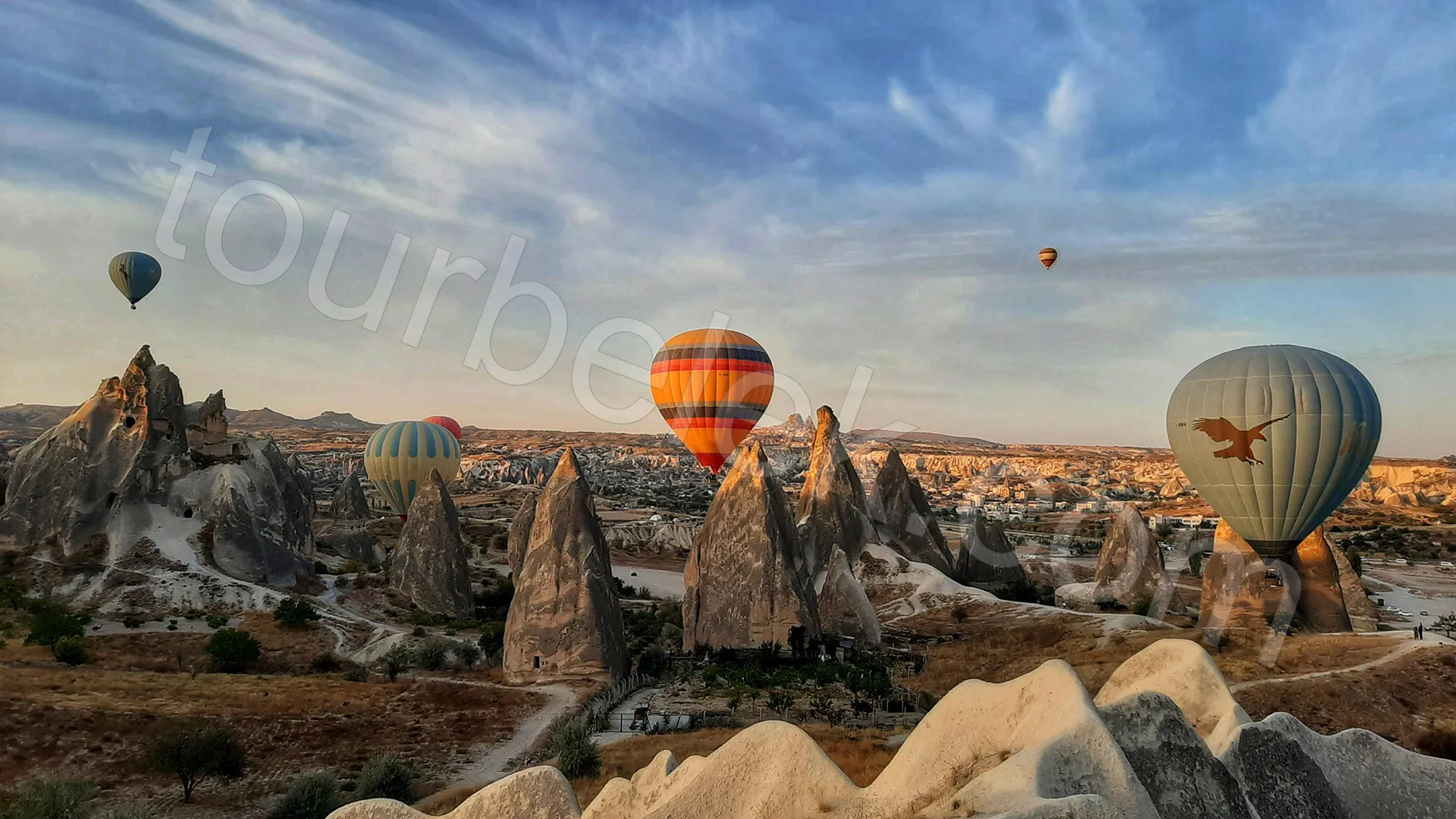
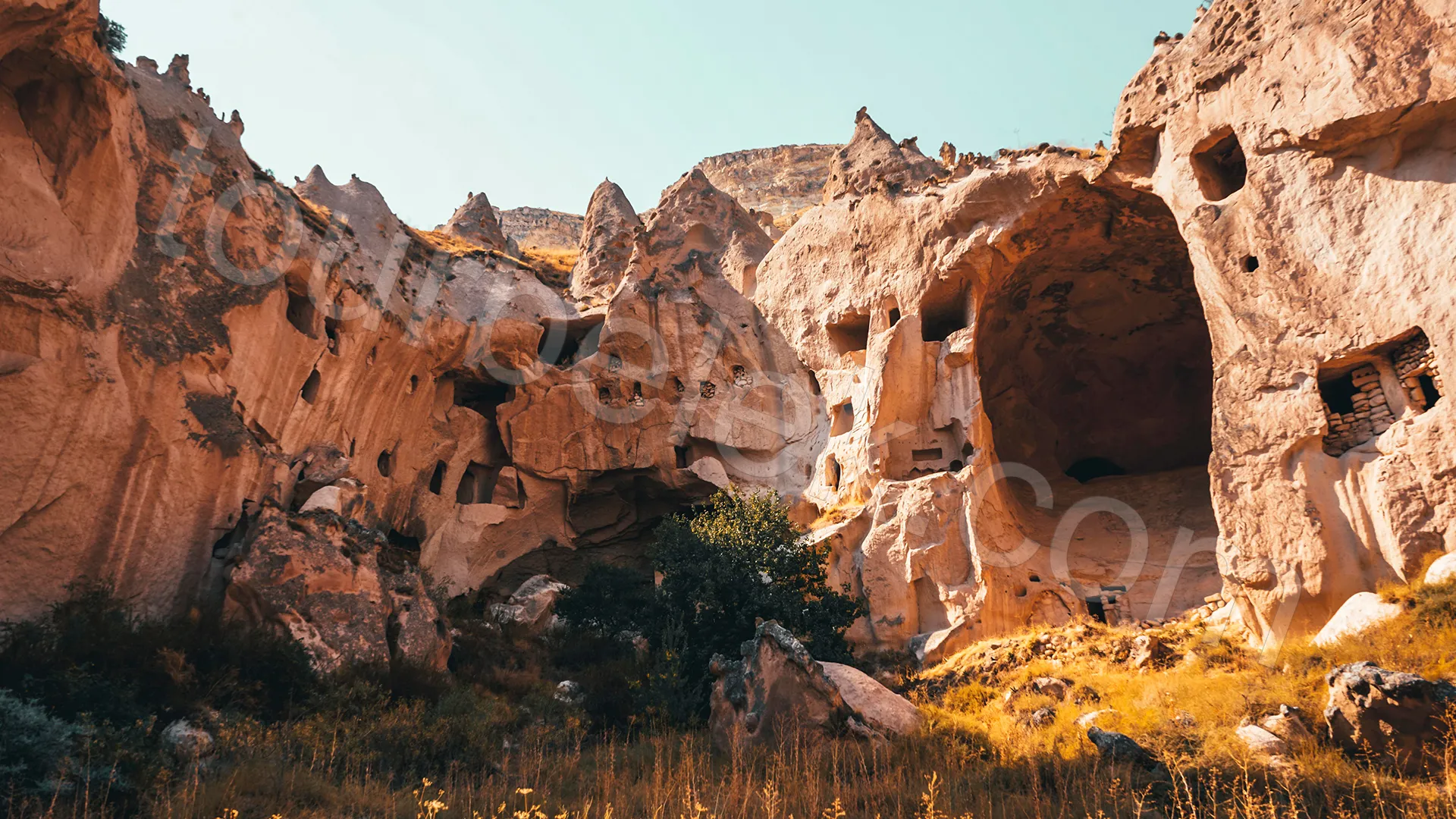
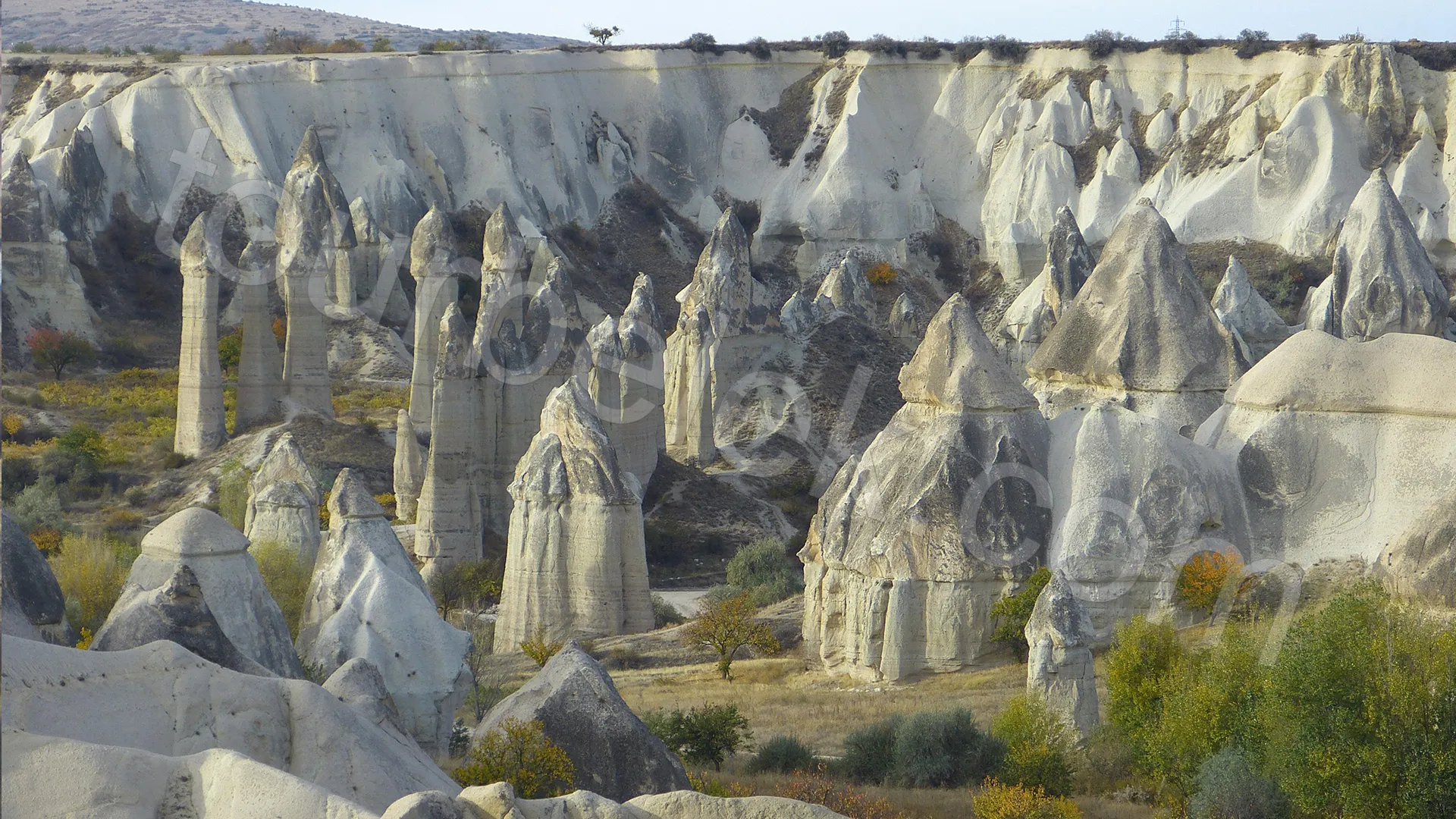
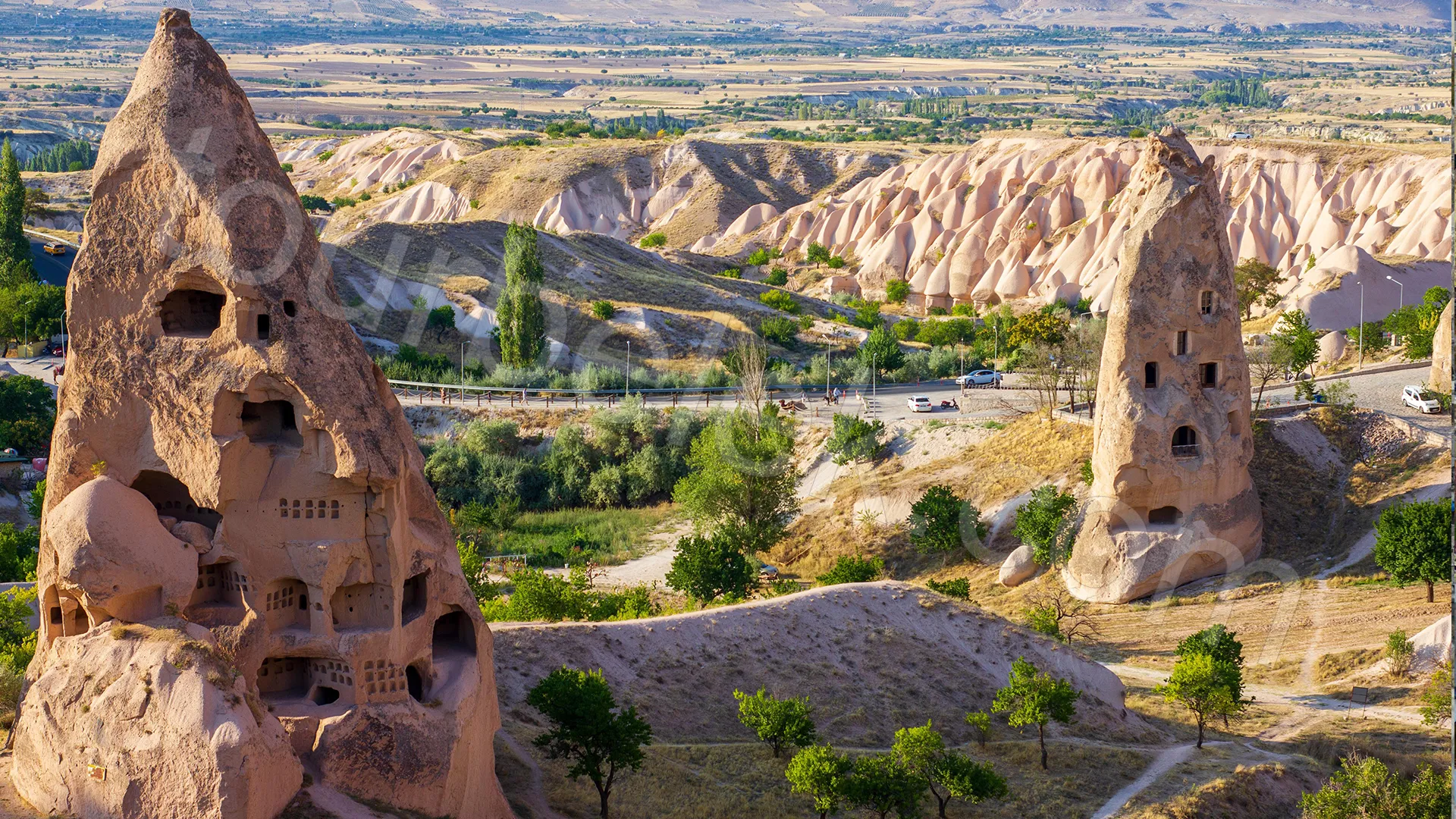
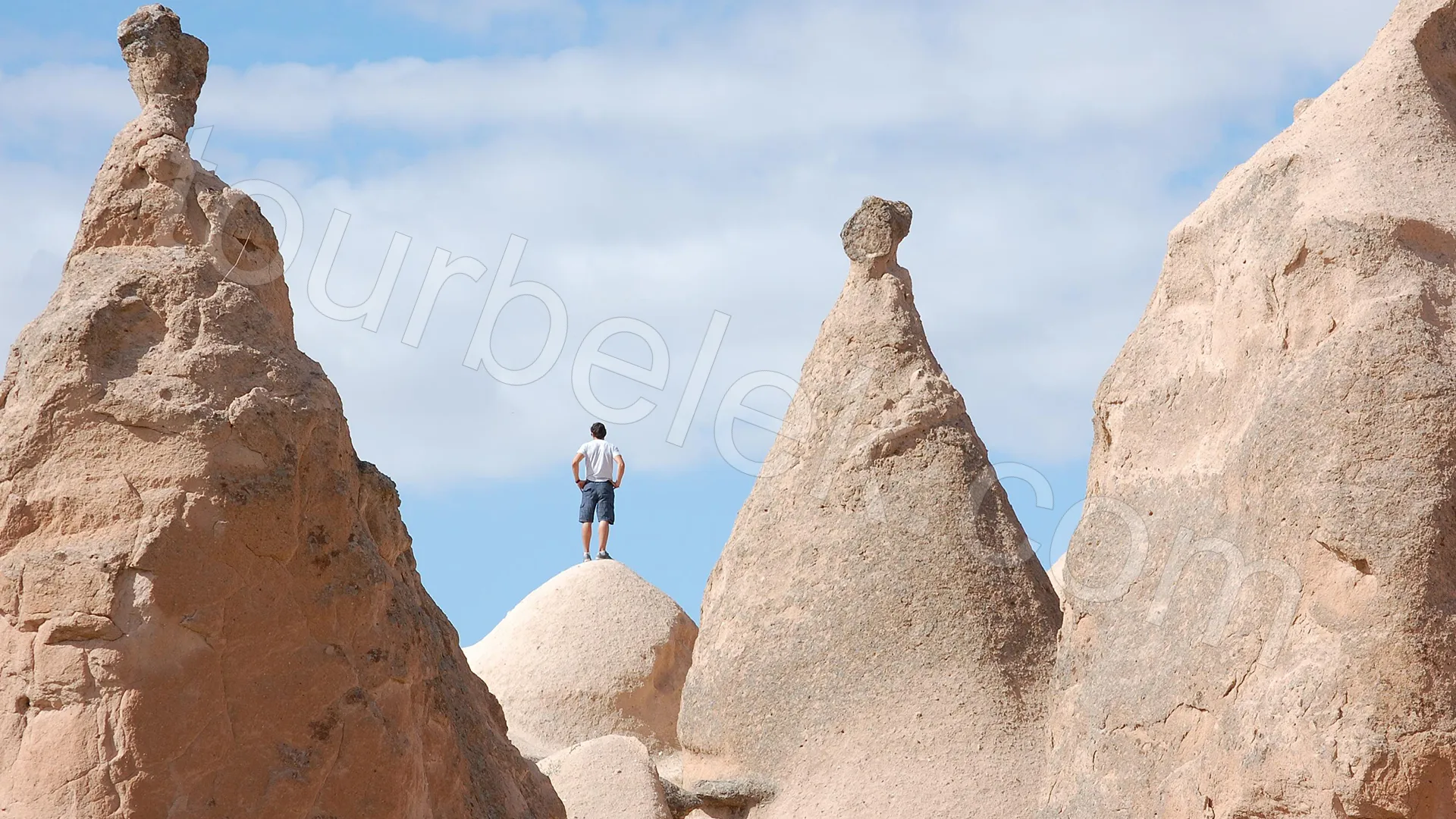
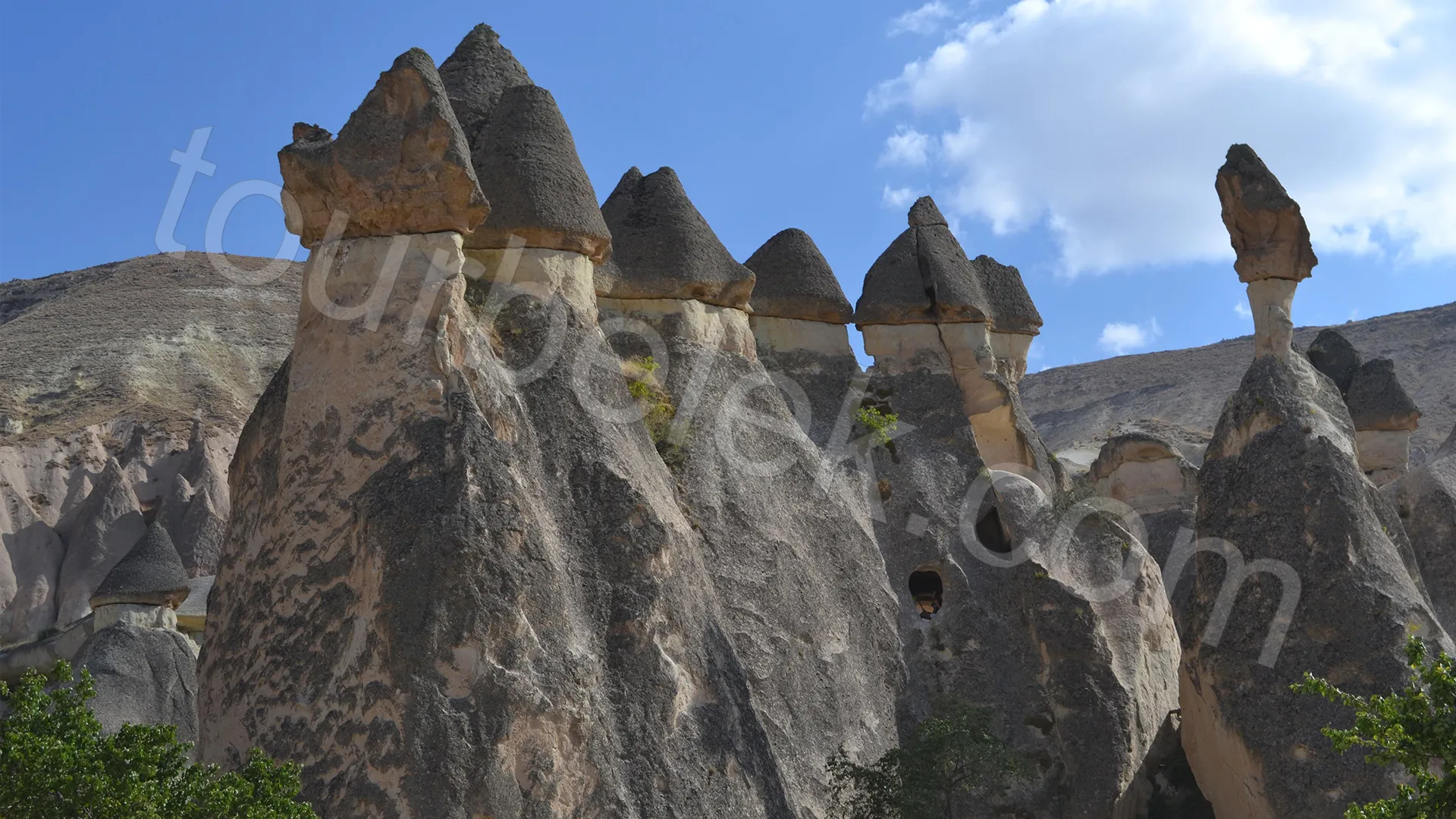
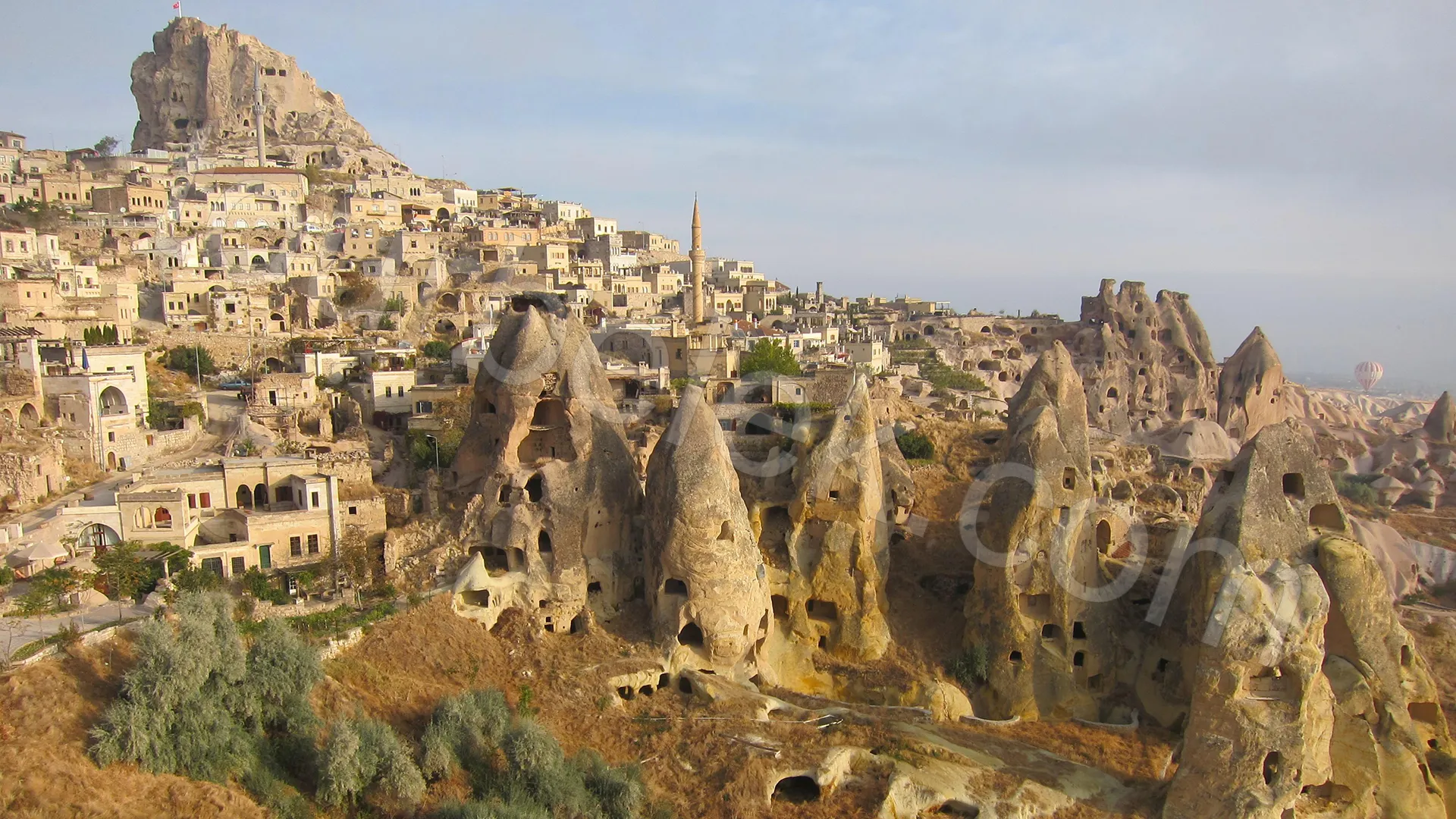
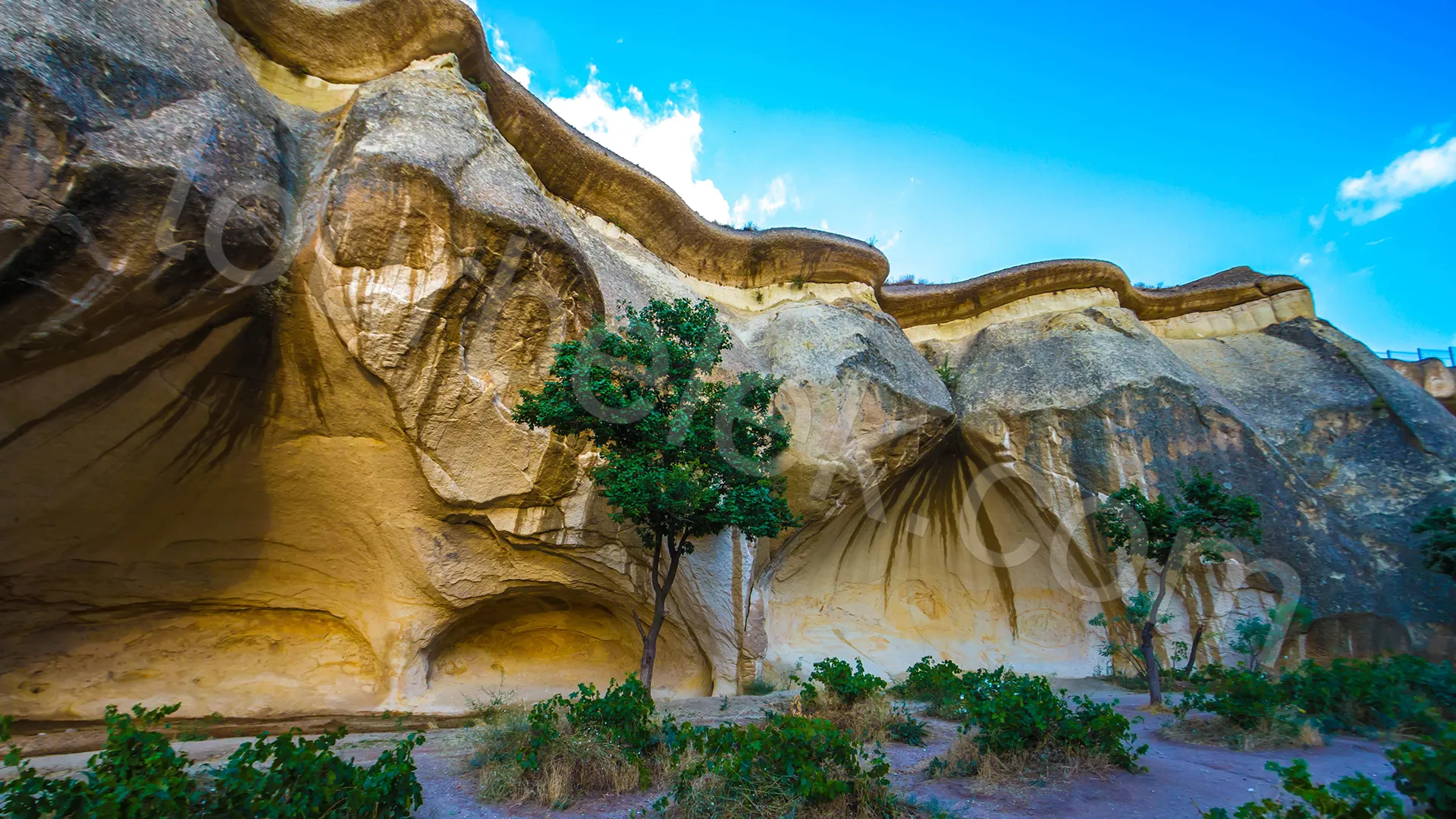
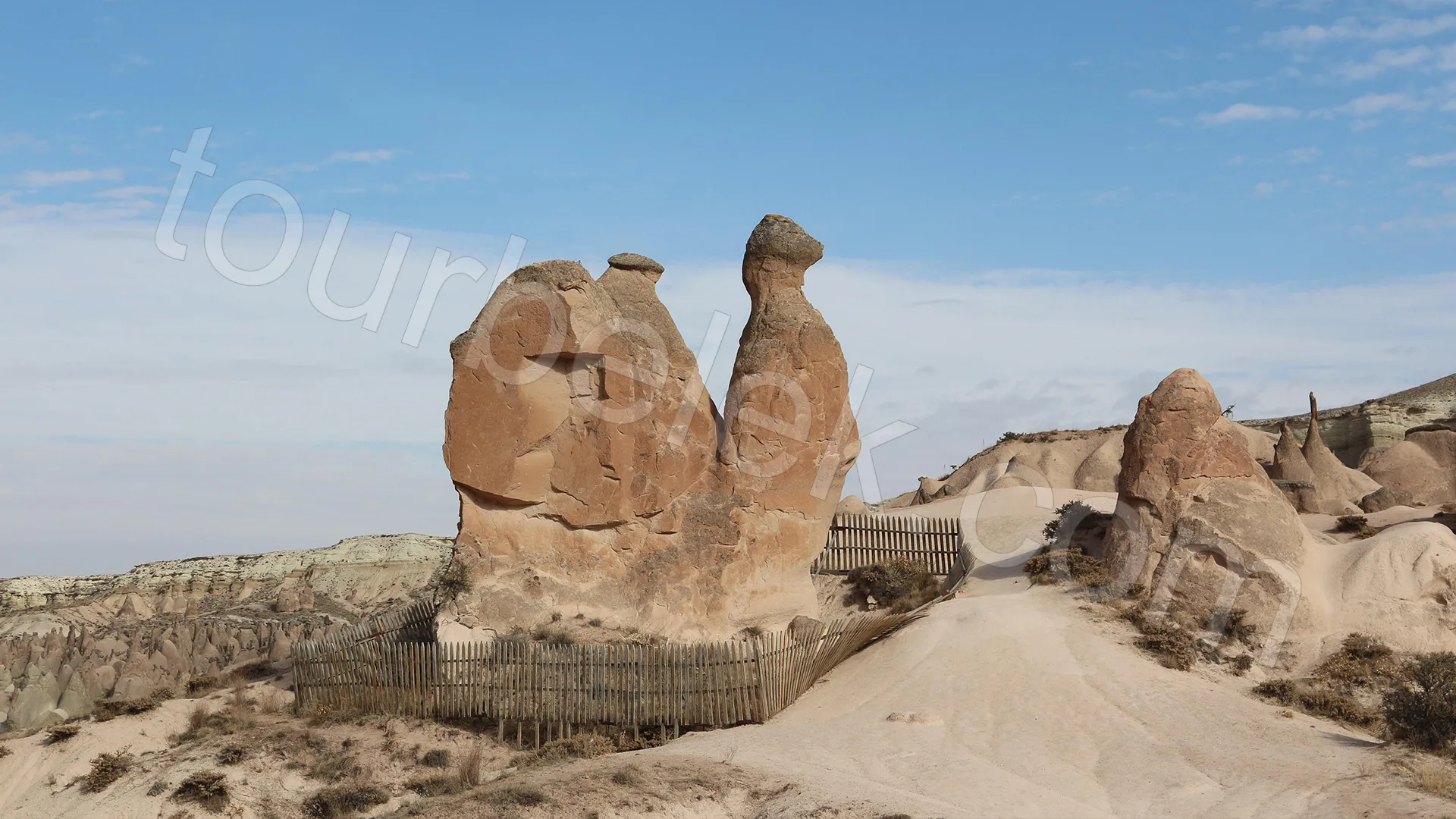
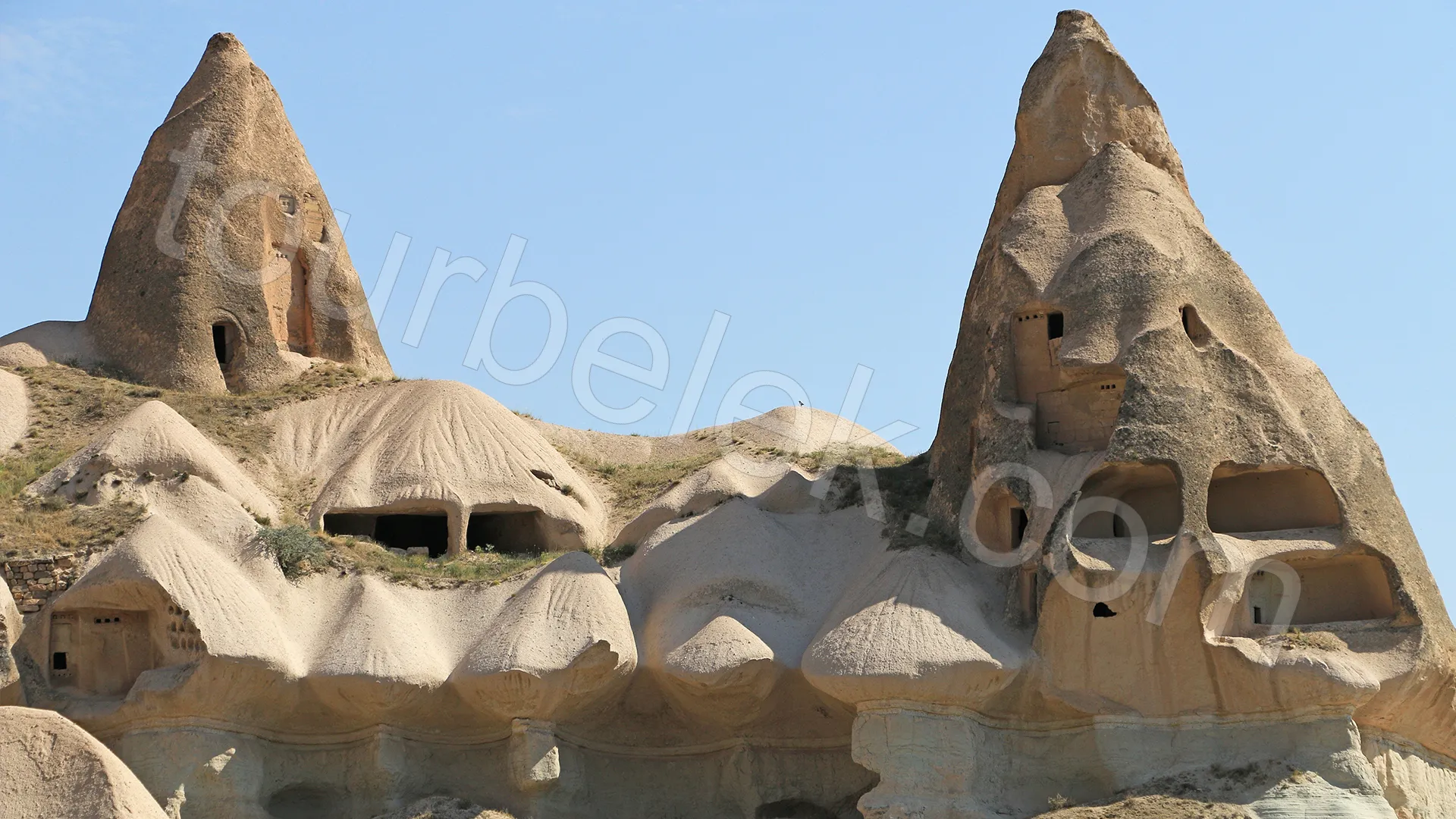
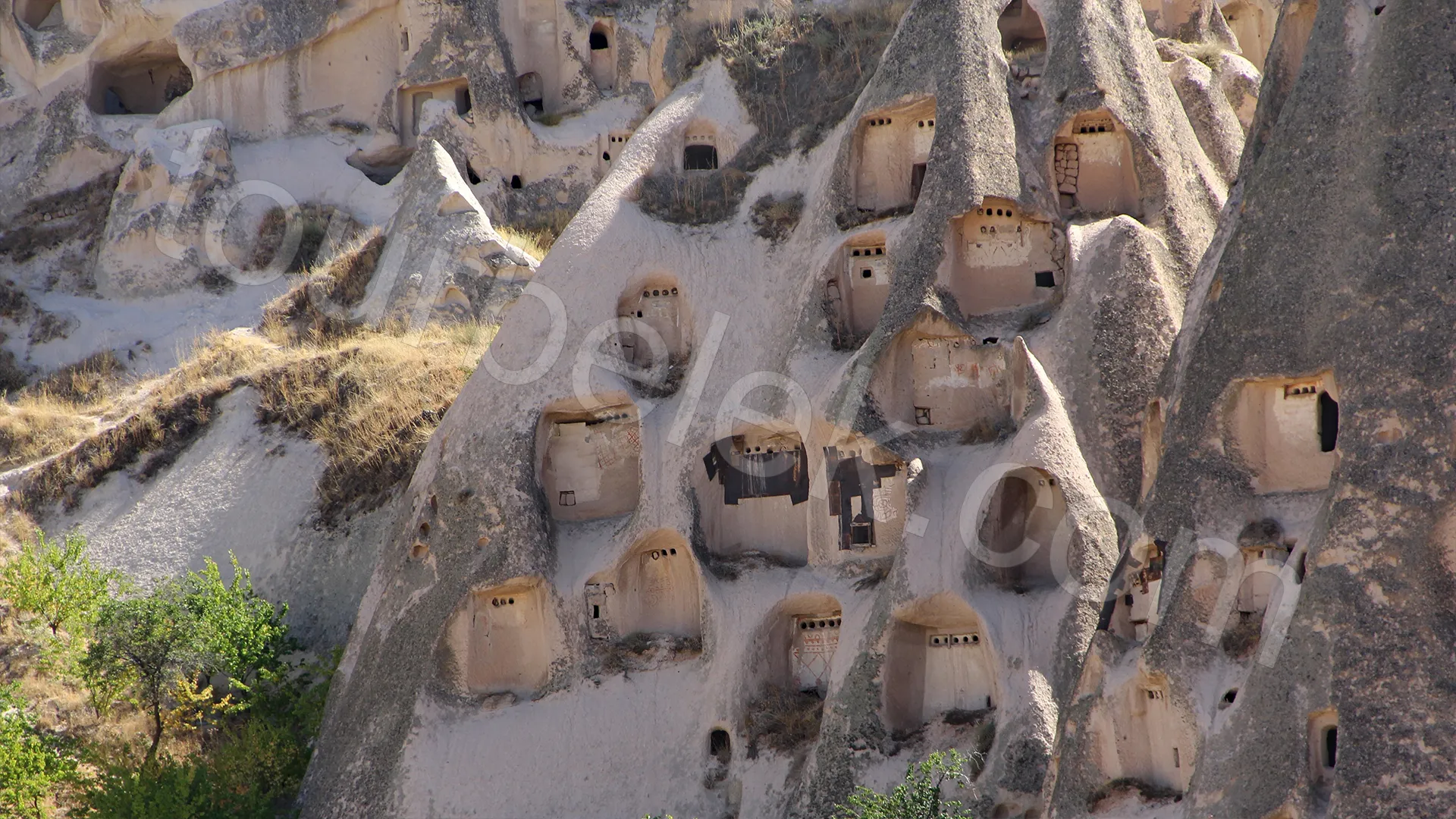
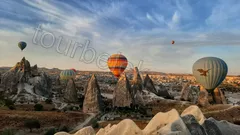
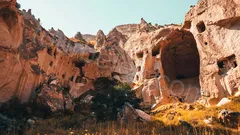
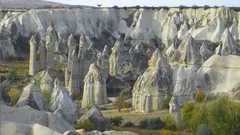
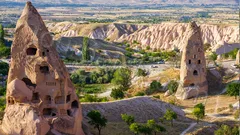
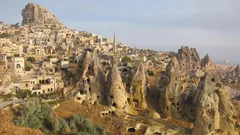
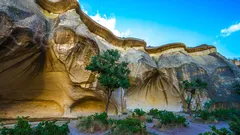
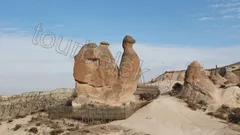
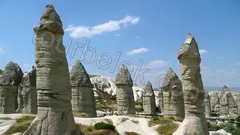
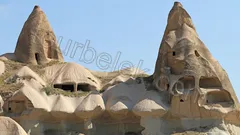
The dramatic skyline of Cappadocia is the product of geological forces stretching back roughly sixty million years. Colossal volcanoes such as Erciyes, Hasandağı and Güllüdağ erupted in succession, blanketing the plateau with thick layers of lava, ash and tuff. Over the ages, wind, rain and rivers carved the soft volcanic rock into a gallery of shapes found nowhere else at this scale: fairy chimneys, mushroom rocks and towering natural pillars. The two-tier structure of soft tuff below and a harder basalt capstone above determines how each chimney erodes and gives every formation a unique profile. In Devrent Valley, also known as Imagination Valley, certain pillars resemble camels, seals and birds, proof that nature can rival any sculptor.
From Hittites to Ottomans and the Layers of Cappadocian History
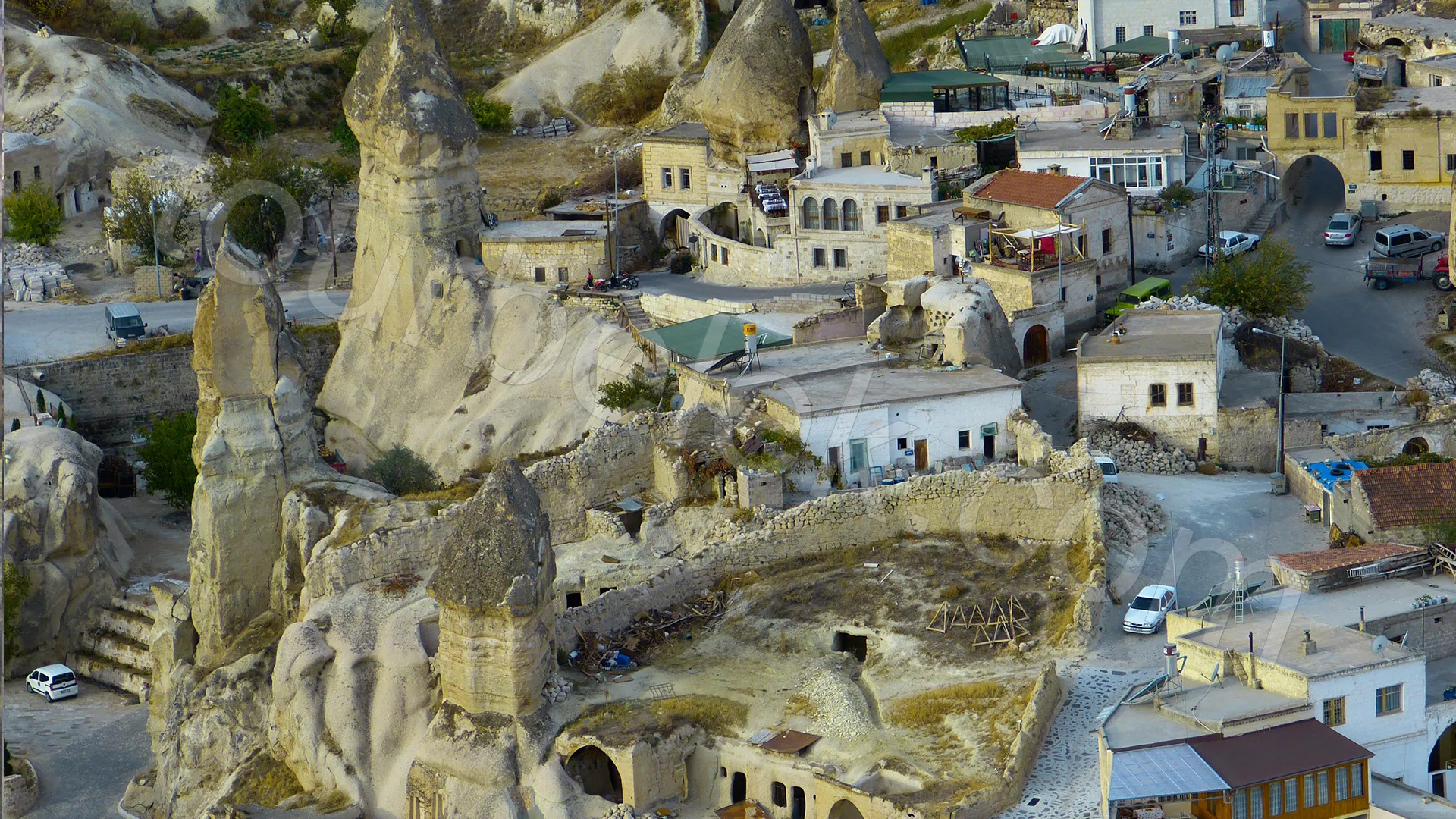
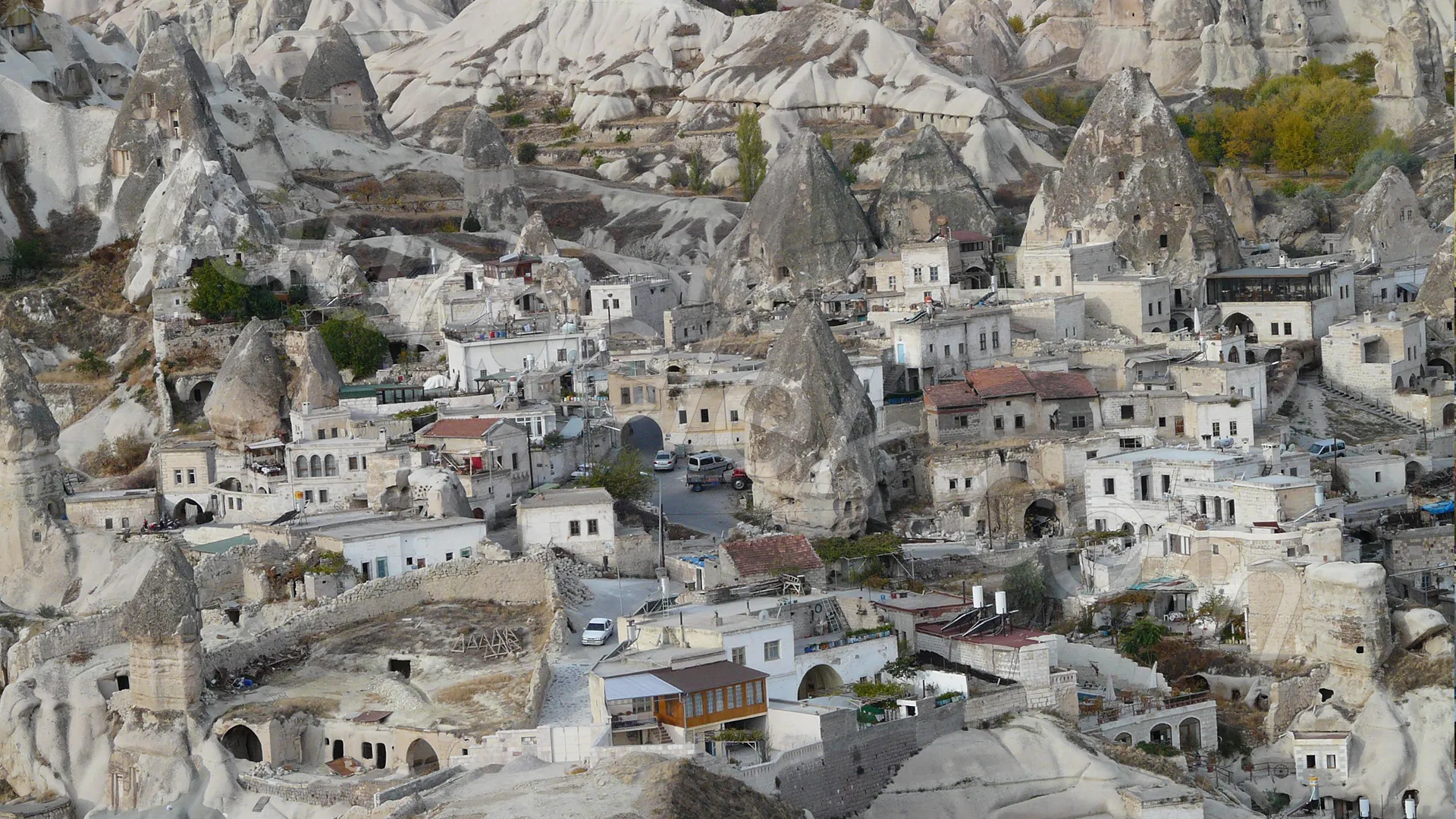
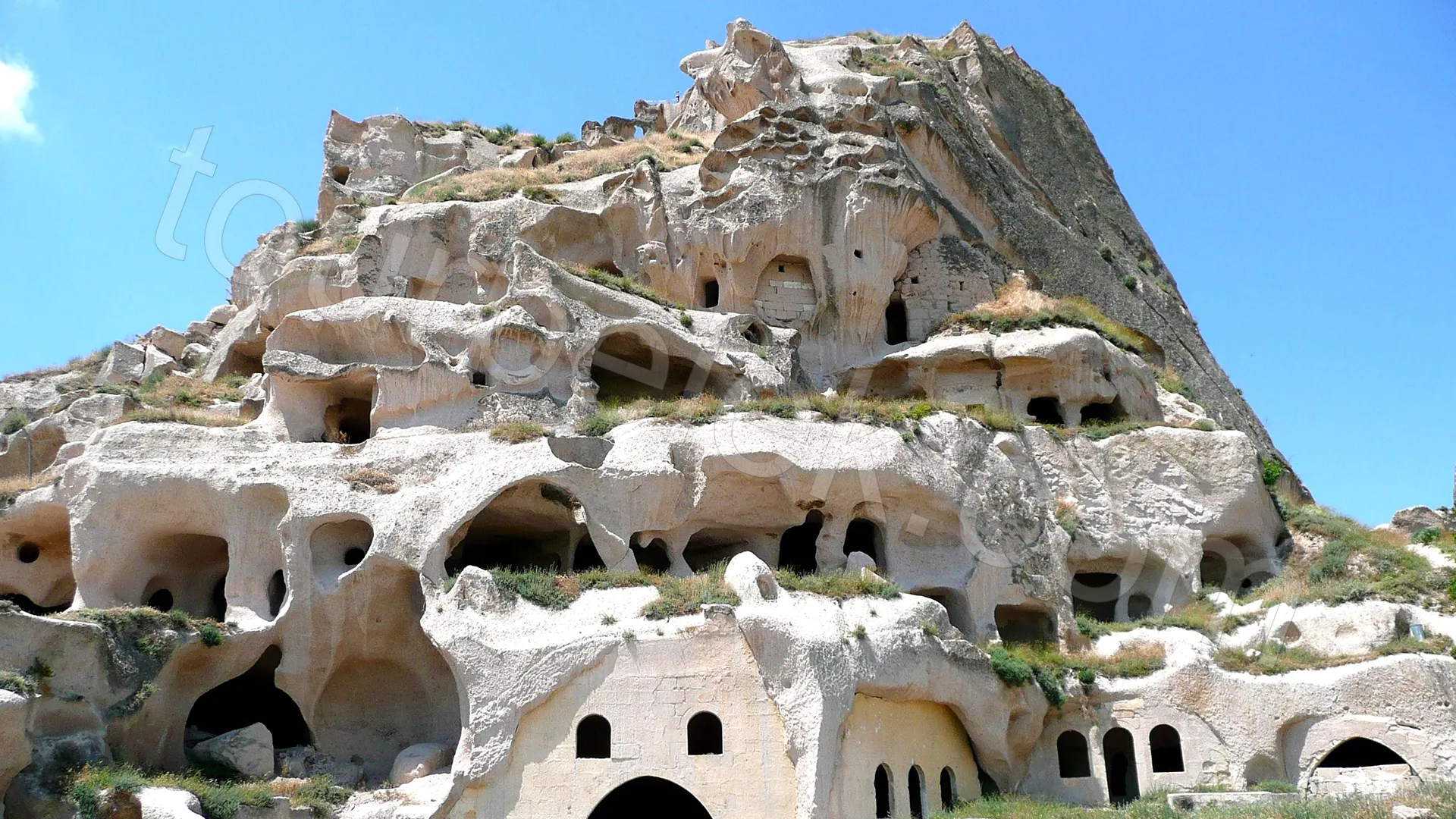
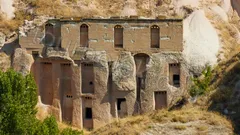
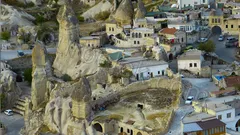
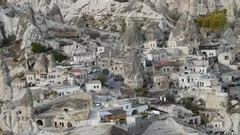
The easily carved rock and fertile soil of Cappadocia attracted one civilisation after another across thousands of years. The Cappadocian Kingdom, which gave the region its name, was founded in the third century BC, yet traces of human habitation go back much further. Hittites were among the earliest known inhabitants, followed by Phrygians, Persians, Romans and Byzantines. During the early Christian era, communities fleeing Roman persecution carved churches, monasteries and multi-level underground cities deep into the rock, turning Cappadocia into a hidden world. This is why the region is often called one of the cradles of Christianity. Under Seljuk rule, caravanserais rose along the Silk Road trade routes; in Ottoman times the area settled into a quiet agricultural existence. Its place on the UNESCO World Heritage list today is the clearest international recognition of these rich historical layers.
Distance and Travel Time from Belek to Cappadocia
The Belek to Cappadocia distance ranges from roughly 500 to 550 kilometres depending on the route, and the coach journey takes between seven and eight hours. Along the way the scenery shifts constantly: the winding passes of the Taurus Mountains give way to the vast Konya Plain, then volcanic hills announce the approach to Cappadocia. Distances from neighbouring resorts are similar: around 510 km from Boğazkent, 520 km from Kadriye and 500 km from Serik. On a 2-day Belek to Cappadocia trip the air-conditioned coach, regular comfort stops and the guide's commentary throughout the drive make the long road feel effortless.
Alternative Ways to Reach Cappadocia
If you prefer to travel independently, there are several options. Flights from Antalya Airport to Nevşehir Cappadocia or Kayseri Erkilet airports take roughly one hour, after which a thirty-to-sixty-minute drive remains to central Göreme. Intercity coaches from Antalya cover the route in seven to nine hours. However, when you factor in the language barrier, route planning and accommodation logistics, a guided group tour remains the best balance of comfort and value.
Göreme Open-Air Museum
Situated just two kilometres from the town of Göreme, this complex is Cappadocia's most prestigious cultural stop and a UNESCO World Heritage Site. Around ten rock-cut monasteries, chapels and churches dating from the ninth to the twelfth centuries reveal the daily and spiritual life of early Christians. The Dark Church, Apple Church, Snake Church and Church of St Barbara are among the most striking. Byzantine frescoes on the walls depict biblical scenes in colours that have survived for centuries. The Cappadocian Fathers, Basil the Great, Gregory of Nyssa and Gregory of Nazianzus, championed monastic life here in the fourth century and shaped the spiritual identity of the entire region.
The Mysterious Underground Cities of Cappadocia
More than two hundred underground settlements have been identified in the region, yet only about thirty have been fully explored. Saratlı, Derinkuyu and Kaymaklı are the best known. Carved into the soft tuff, these cities descend through multiple storeys; at Saratlı three of the seven known levels are open to visitors. Ventilation shafts, water wells, storage rooms, stables, wine cellars and chapels were all meticulously planned. During times of war or invasion, residents sealed heavy stone doors and could survive underground for weeks. Whether the original builders were Hittites or early Christians is still debated; what is certain is that these structures were designed for defence.
Walking from Valley to Valley
One of the things that makes Cappadocia truly special is its collection of valleys, each offering a completely different landscape. Some you walk through on the tour itself; others you admire from panoramic viewpoints along the route.
Love Valley
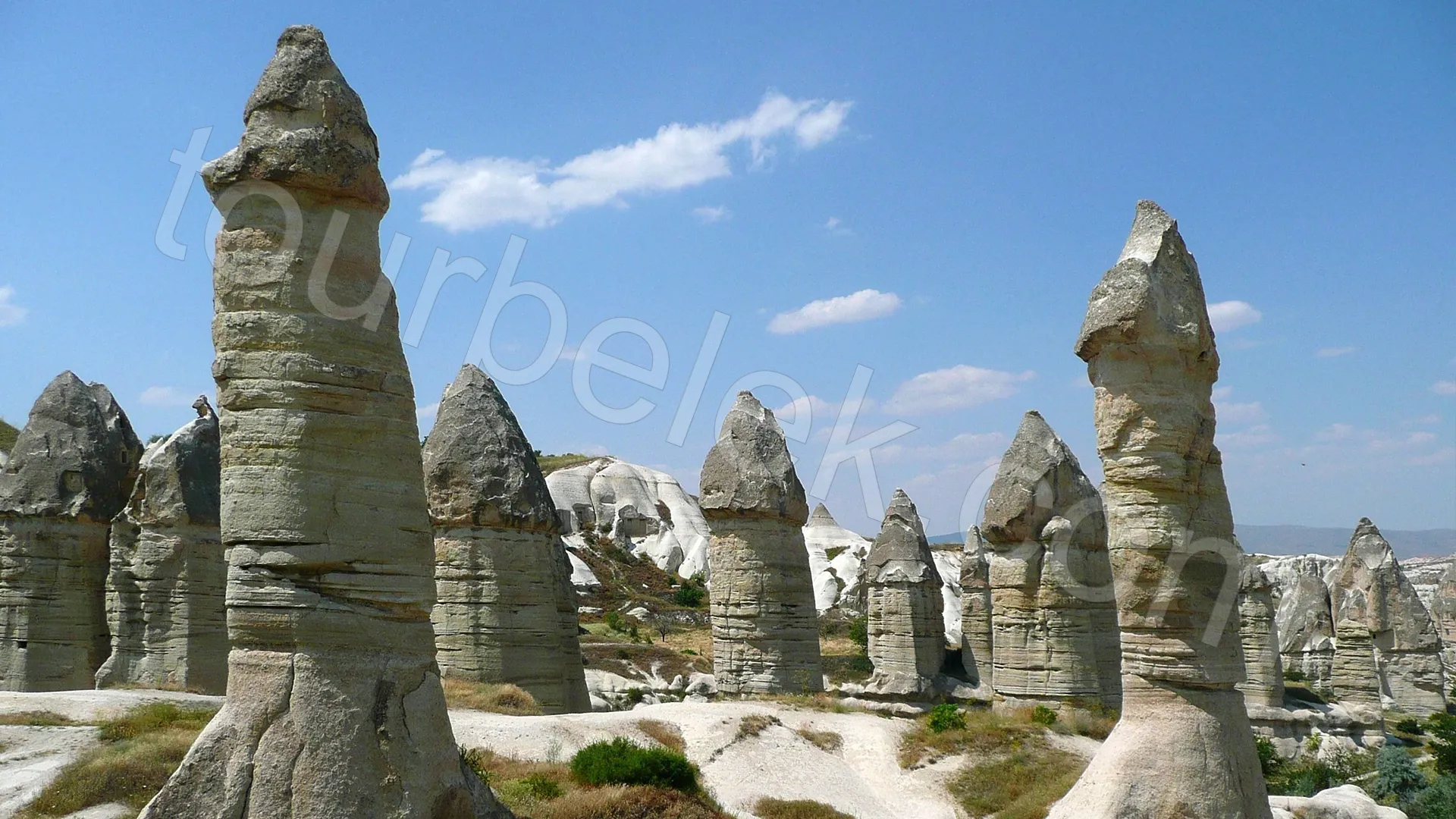
One of Cappadocia's most iconic photo spots, Love Valley owes its name to the striking phallic rock formations created by erosion. The viewing terrace at the entrance is especially popular with couples, and many of the most-shared Cappadocia images on social media originate here.
Pigeon Valley
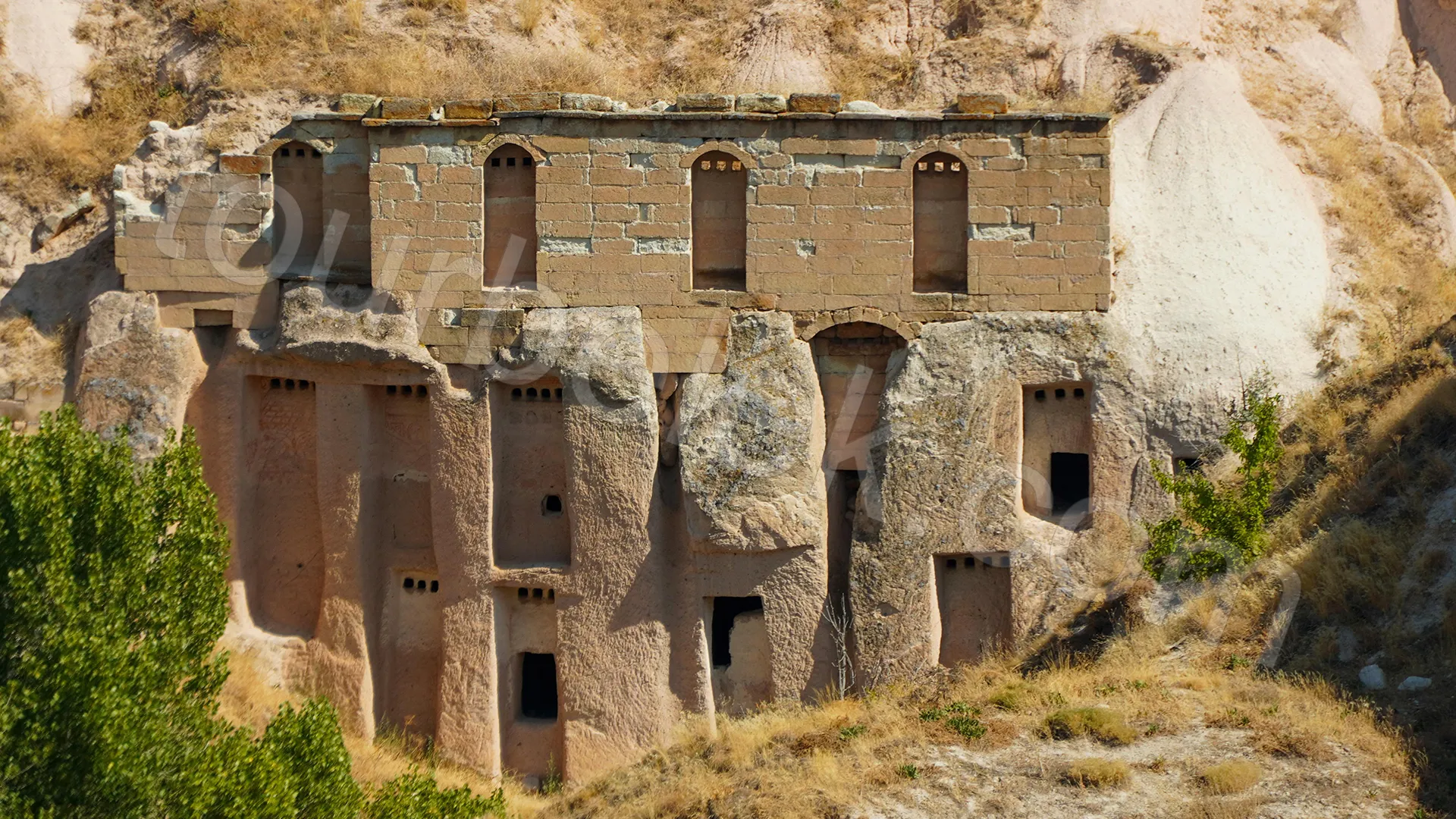
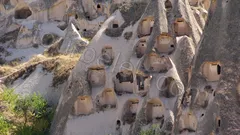
Stretching roughly four kilometres between Göreme and Uçhisar, this valley's cliffs are dotted with hundreds of carved pigeon houses. For centuries local farmers collected pigeon droppings to use as natural fertiliser in the vineyards, a tradition that gave the valley both its name and its character. Along the walking trail you can spot fairy chimneys alongside distant views of Uçhisar Castle.
Paşabağ and Monks Valley
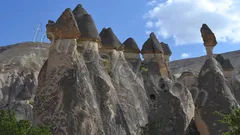
Near the Zelve ruins, Paşabağ Valley is famed for its multi-headed fairy chimneys. Massive mushroom-shaped rock pillars here can reach heights of fifteen metres. The name Paşabağ translates as "the Pasha's vineyard" in Ottoman Turkish, and grapes grown in this area still supply some of the region's finest wines. The small rock-hewn cell where St Simeon retreated into seclusion can still be visited today.
Devrent and Imagination Valley
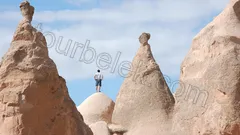
Wind and rain have shaped the formations here into figures that visitors liken to camels, dolphins and even the Virgin Mary. These untouched natural sculptures are the most tangible evidence behind Cappadocia's frequent comparison to a lunar landscape.
Rose Valley and Red Valley
Running between Göreme and Çavuşin, Rose Valley takes its name from the pink and rose hues its rocks display at sunset. It shelters several rock-cut churches, including the Church of the Cross. Late afternoon brings a golden-hour light that photographers prize. Red Valley, with its reddish rock face, is a natural continuation; the sunset-viewing option on the tour takes place at this point.
Three Beauties
Located near Ürgüp, this landmark consists of three fairy chimneys standing side by side. Popularly interpreted as mother, father and child, they are among the most frequently reproduced images in Cappadocia's postcards and promotional materials.
Uçhisar and Ortahisar Castles
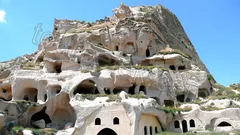
Uçhisar Castle is the highest point in Cappadocia and its summit offers a near-360-degree panorama of the region. Rock-carved tunnels and rooms once served for both habitation and defence. Ortahisar Castle, more compact in scale, rises from the centre of a quiet town; narrow alleys and stone houses around it preserve traces of authentic Cappadocian life. The tour route includes photo stops at the panoramic viewpoints of both castles.
Çavuşin Village and the Church of St John the Baptist
Çavuşin is an atmospheric village of rock-hewn homes that remained inhabited until relatively recent times. The Church of St John the Baptist, dating to the fifth century, stands out as one of the oldest rock churches in the area. Frescoes that are still partly visible on its walls rank among the rarest surviving examples of early Christian art.
Ihlara Valley and Its Green Canyon
Belonging to the province of Aksaray, Ihlara Valley offers a completely different atmosphere from Cappadocia's dry, rocky terrain. Carved over millennia by the Melendiz River, this fourteen-kilometre gorge is lush with greenery and refreshingly cool, providing a pastoral hiking experience. Hundreds of rock churches with colourful frescoes depicting biblical scenes are carved into the canyon walls. The village of Belisırma, with its small riverside restaurants, is an ideal resting point after the walk.
Avanos and Pottery on the Banks of the Kızılırmak
Eight kilometres north of Göreme, the town of Avanos sits on the banks of the Kızılırmak, Turkey's longest river. The red clay deposited along the riverbanks has fuelled a pottery tradition stretching back to Hittite times. In local workshops, artisans still hand-throw plates, vases and decorative pieces on traditional wheels, and visitors are welcome to try shaping the clay themselves. Avanos is equally known for its carpet weaving and ceramic arts, while the riverside promenade, complete with ducks gliding over calm water, makes a pleasant photo stop.
Silk Road Heritage and the Caravanserais
The route between Belek and Cappadocia follows part of the historic Silk Road trading corridor. Between the eleventh and thirteenth centuries, the Seljuks built caravanserais along this road to give merchant caravans safe overnight shelter. The Sultanhanı near Aksaray is one of Turkey's largest and best-preserved examples, its monumental stone portal, courtyard and interior halls reflecting the power of Seljuk architecture. A stop at a caravanserai on the return journey lets you feel the atmosphere of those centuries-old trade expeditions.
Balloons Filling the Sky at Dawn
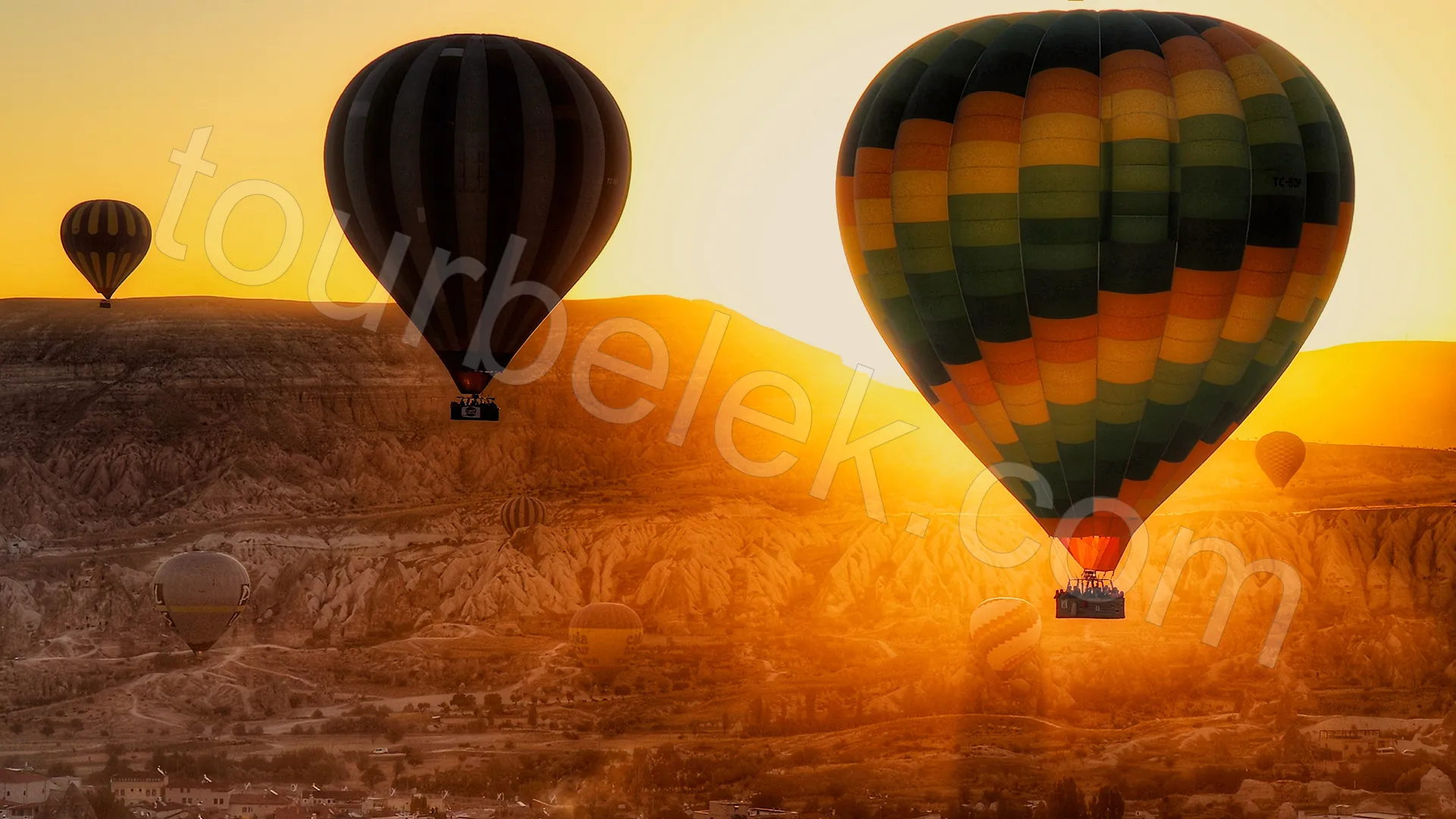
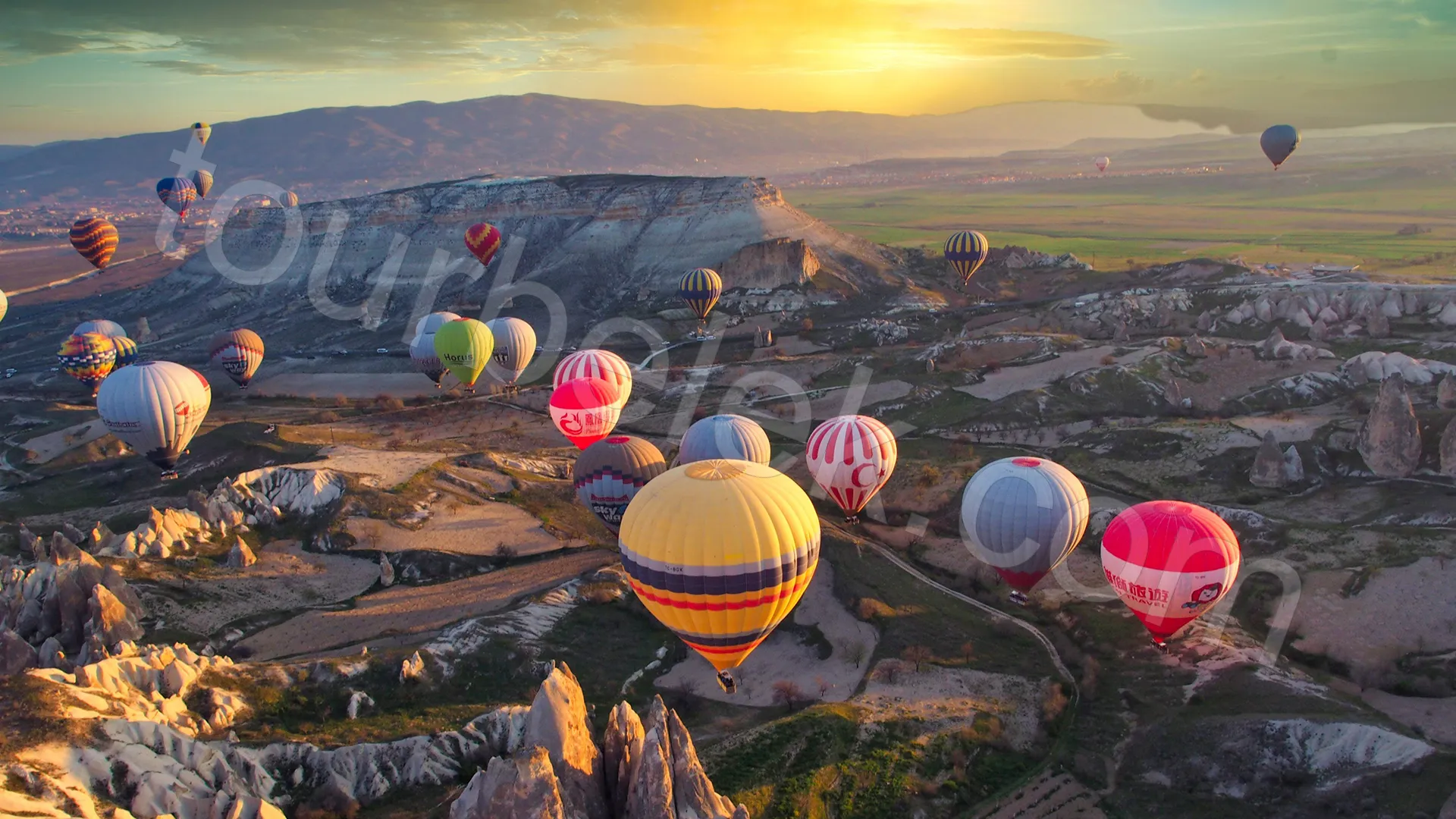
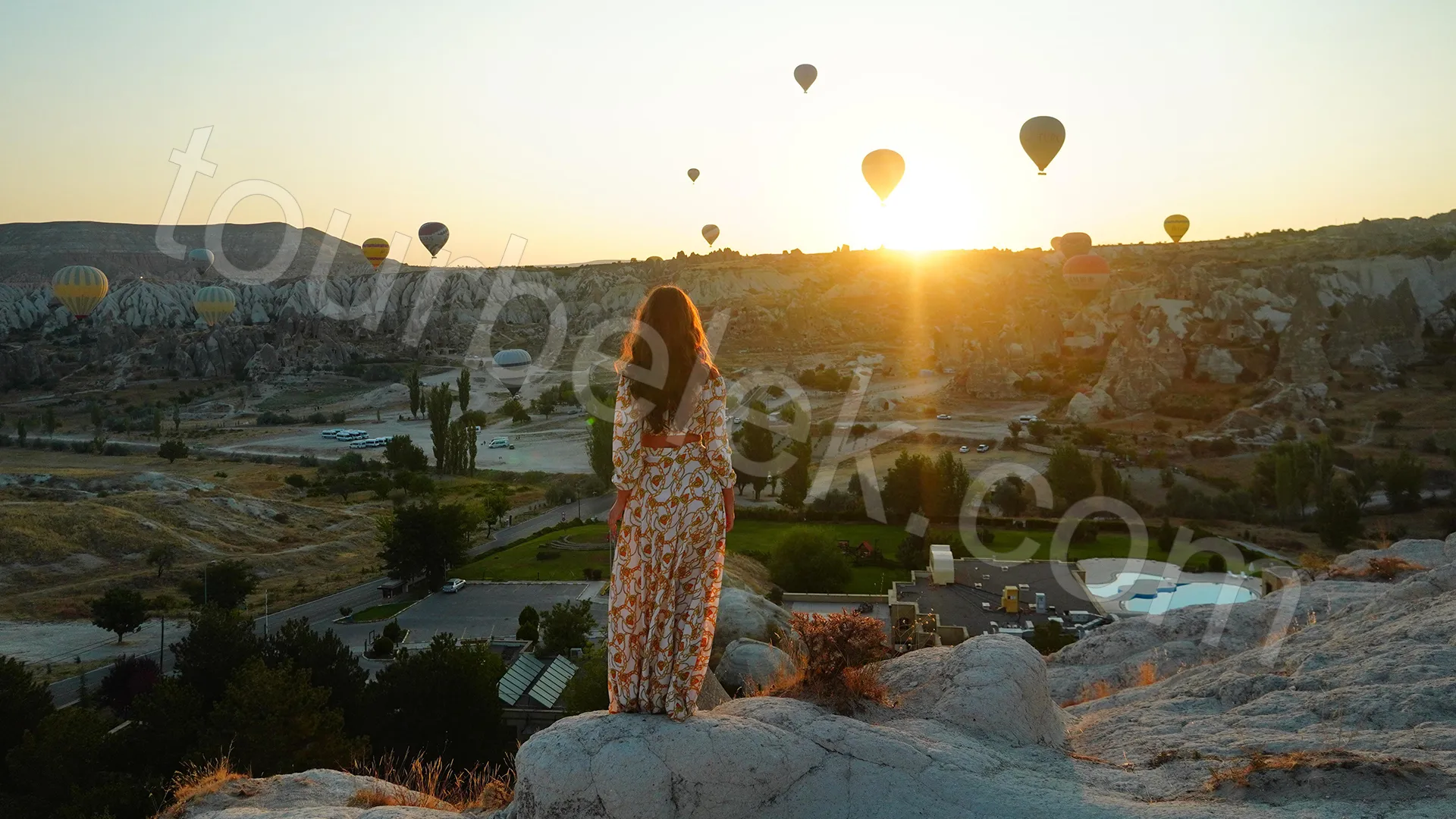
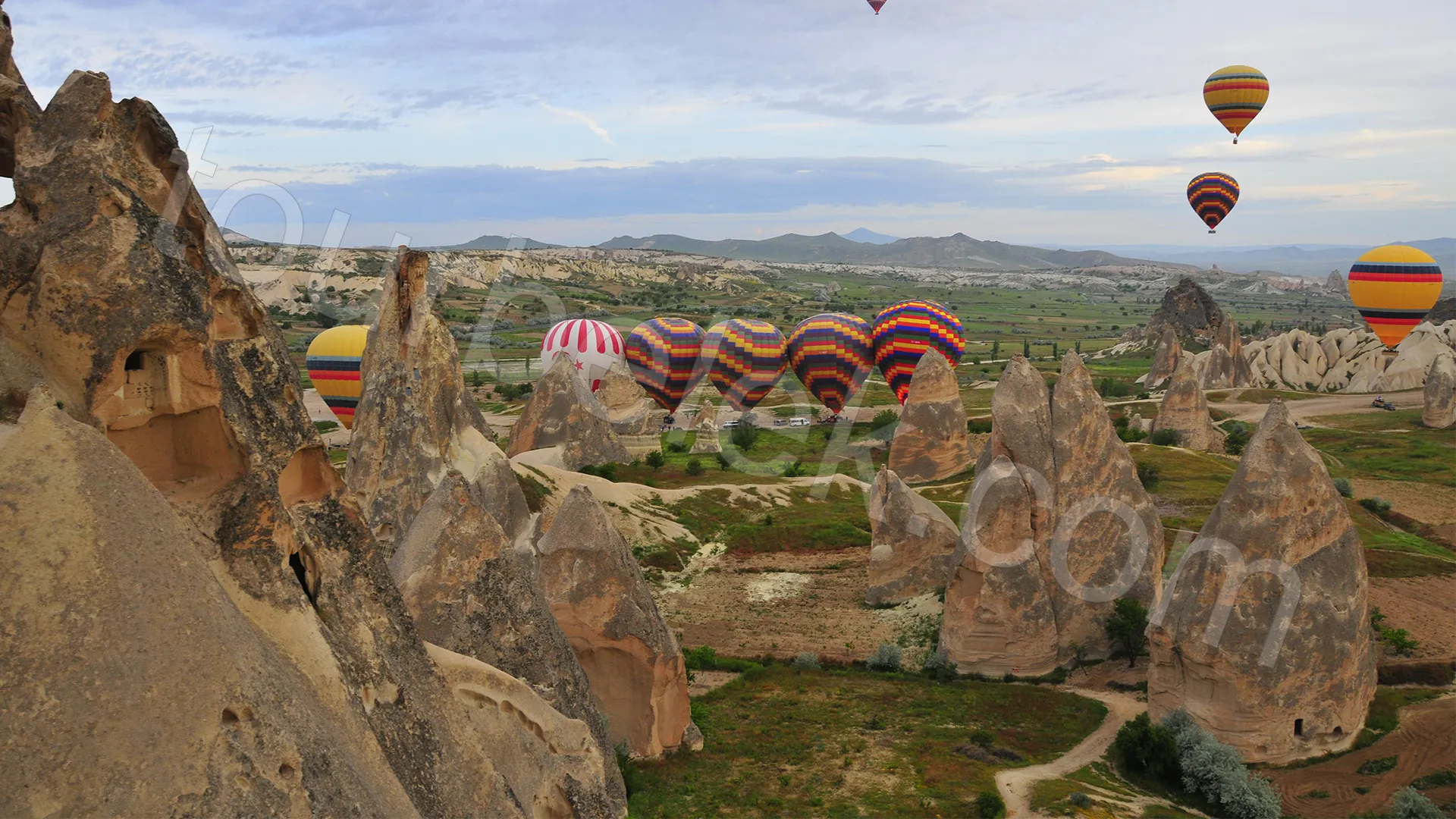
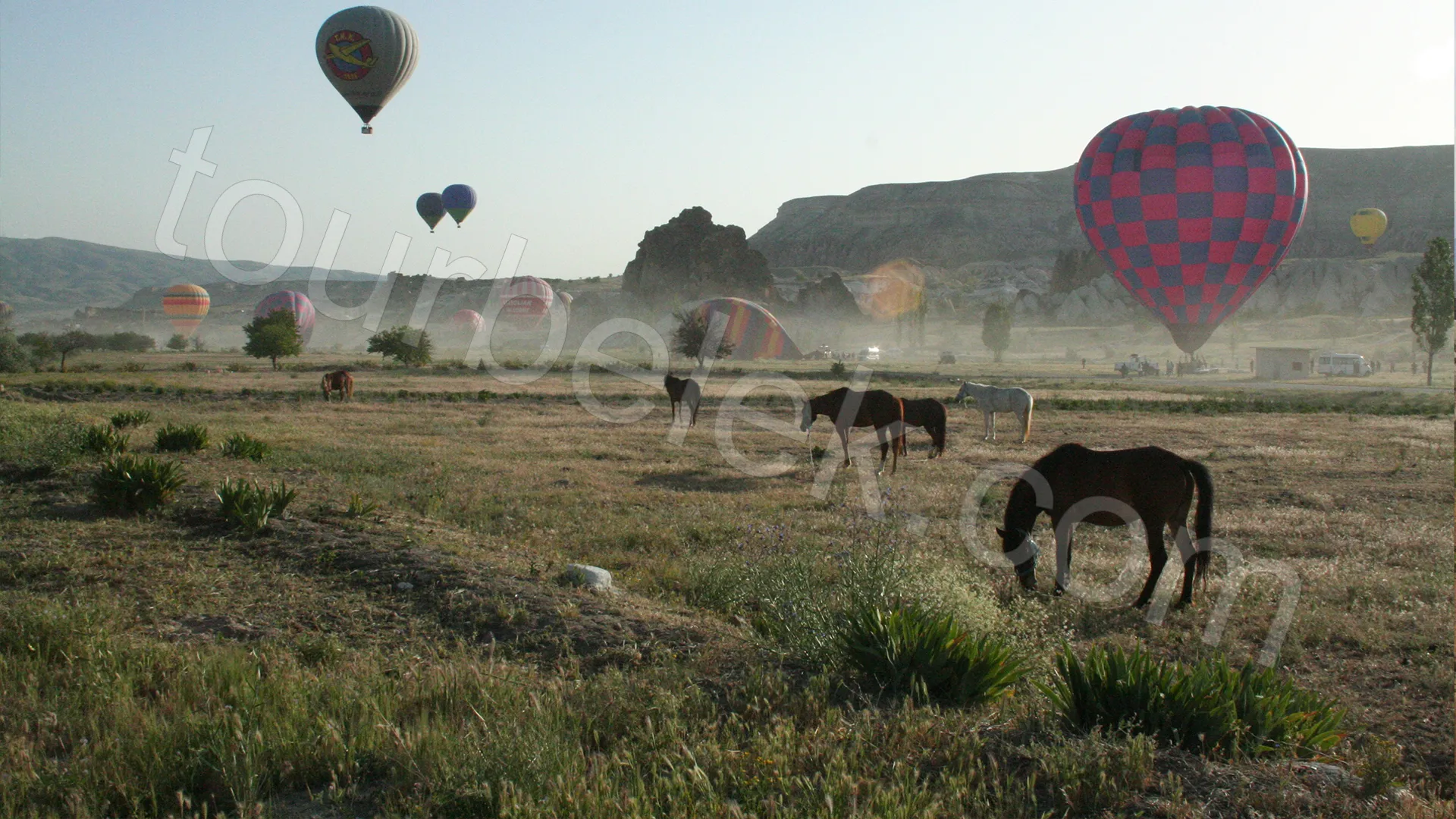
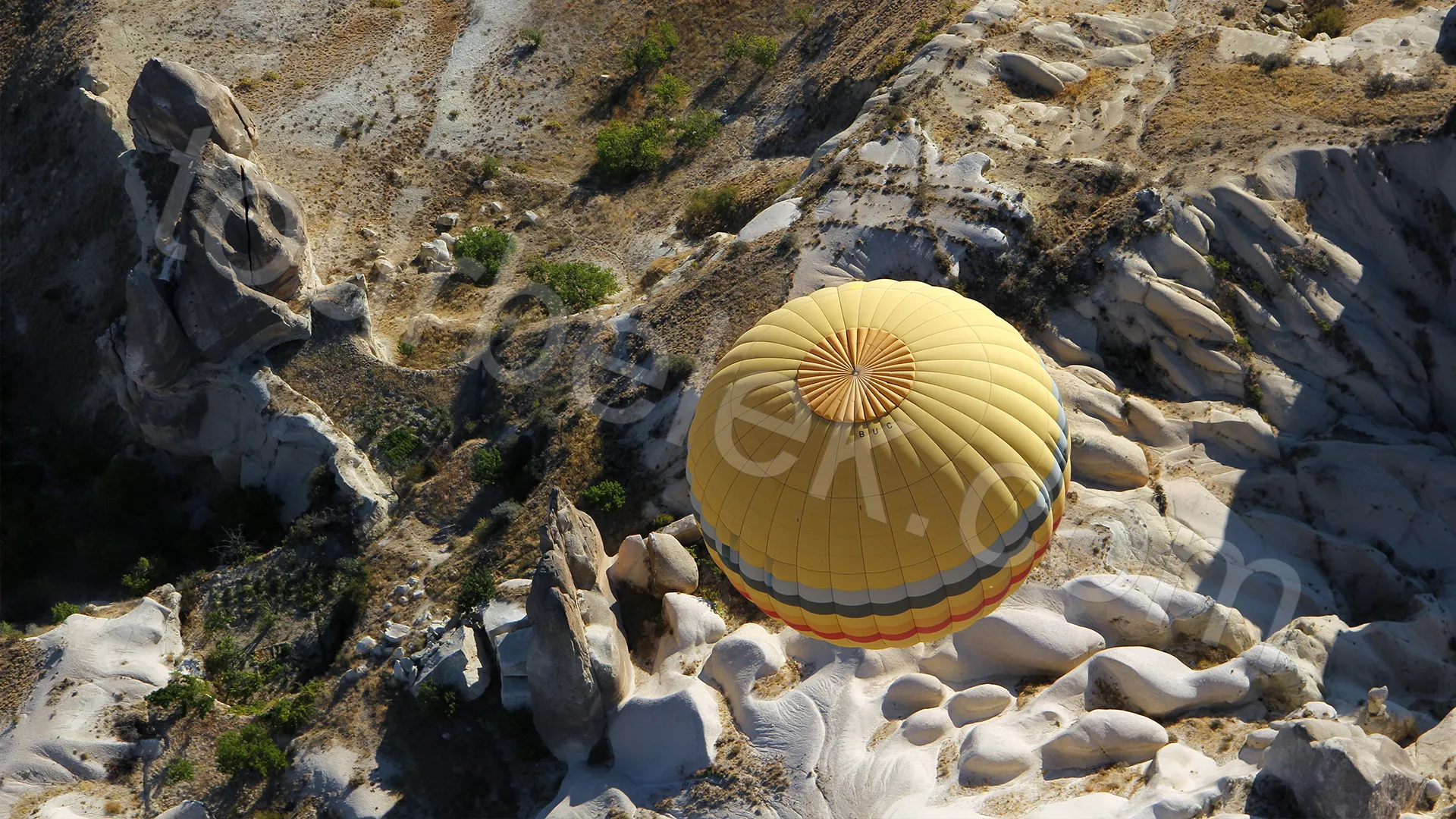
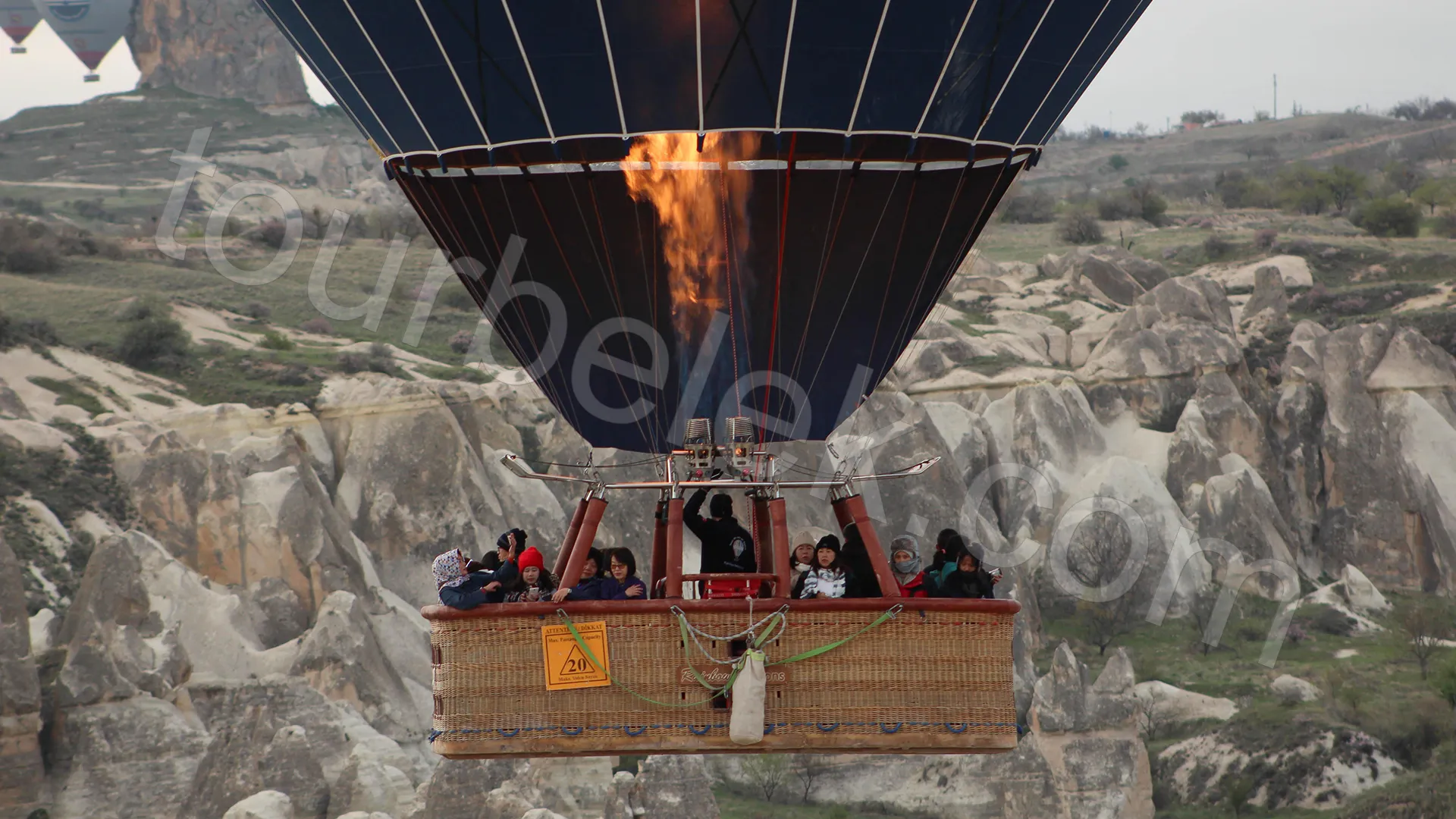
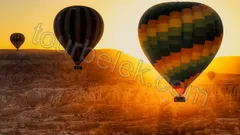
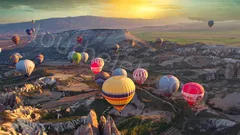
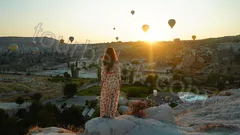
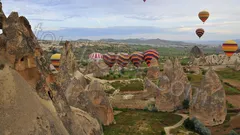
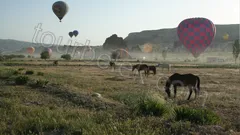
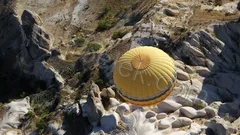
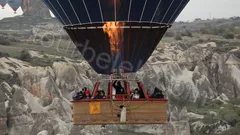
One of the first images that comes to mind when people think of Cappadocia is the sight of colourful hot-air balloons rising at sunrise. Every morning when weather conditions permit, close to two hundred balloons launch from the Göreme area; each flight lasts roughly one hour and offers an aerial view of the valleys, fairy chimneys and rock settlements below. All flights operate under the authority of Turkey's Directorate General of Civil Aviation, and pilots must hold valid certification. For those looking to join a Belek to Cappadocia balloon flight, the best window is April through October, when more stable weather means fewer cancellations. Balloon prices fluctuate with seasonal demand, and your tour guide will share the current rates on the first day.
Watching the Balloon Parade from the Ground
Even if you choose not to fly, watching the dawn balloon parade is an experience in itself. From a high vantage point you can see dozens of balloons lifting into the sky simultaneously, a spectacle that produces some of Cappadocia's most unforgettable photographs. The tour programme includes an early-morning transfer to the observation deck.
Turkish Night Show and the Sema Ceremony
Held in Cappadocia's stone-carved venues, the Turkish Night programme brings Anatolian culture to the stage through a vibrant evening of entertainment. Folk dances from different regions, a belly-dance performance and live music accompany a traditional Turkish dinner. One of the most striking segments is the Mevlevi sema ritual. Dervishes begin with arms crossed over their chests, then extend the right hand skyward and the left toward the ground before spinning on their own axis. The movement symbolises receiving divine grace from the heavens and channelling it to the earth. White robes represent the burial shroud, the black cloak the grave, and the tall felt hat the headstone; every stage of the dance narrates the soul's ascent.
A Night in a Cave Hotel
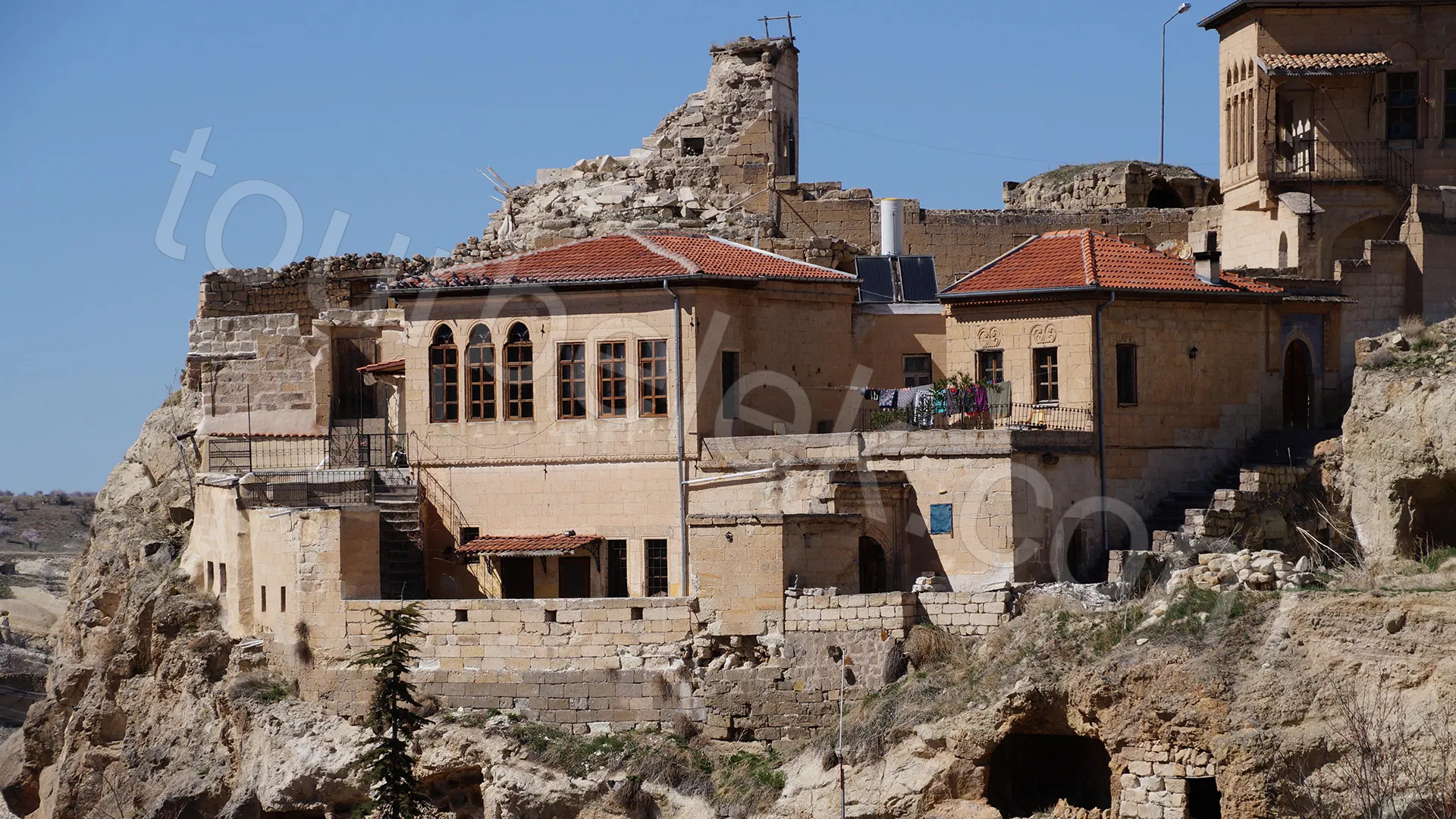
Accommodation on the Cappadocia tour from Belek takes place in stone-built hotels that capture the spirit of the region. Carved from volcanic tuff or constructed with local stone blocks, these properties stay naturally cool in summer and warm in winter. Rooms are equipped with modern comforts, yet arched ceilings, alcove shelves and raw stone walls transport you centuries into the past. Sleeping in a Cappadocian cave hotel means not just seeing the region but living it.
The Konya Stop and in the Footsteps of Rumi
Konya, where a lunch stop is made on the return journey, is Turkey's largest city by area. Known as Iconium in Byzantine times, it became the capital of the Seljuk Empire in the thirteenth century. The city's most recognisable landmark is the Mevlana Museum, its dome clad in emerald-green tiles. This complex, built from former dervish lodges dating to the fourteenth and fifteenth centuries, houses the tomb of the great Sufi thinker and poet Mevlana Celaleddin Rumi. Inside you will find Rumi's sarcophagus, handwritten manuscripts and objects relating to dervish life. His message of tolerance and love continues to inspire millions of people around the world centuries later.
Why Choose This Tour
With TourBelek you are picked up from your hotel doorstep, spend two full days visiting the region's key sites with a professional guide, and are returned safely to your accommodation. No advance payment is required; you pay in full on the day of the tour. A Cappadocia excursion from Belek is a time-and-budget-efficient option for solo travellers and families alike. Discounted rates for children, family-friendly planning and the guide's on-the-spot historical commentary turn this trip into far more than a standard sightseeing run.
Frequently Asked Questions
The distance between Belek and Cappadocia is roughly 500 to 550 kilometres. The coach journey, including rest stops, takes approximately seven to eight hours. Air-conditioned coaches and regular breaks ensure a comfortable ride.
Spring (April to May) and autumn (September to October) are ideal. The weather is mild, skies are clear and balloon flights run regularly. Summer can reach 35 degrees, while winter may bring snow that limits access to some areas, though snow-covered fairy chimneys create a unique landscape.
Balloon prices vary with seasonal demand, so a fixed figure cannot be quoted. Your tour guide will provide the current price on the first day. If weather conditions prevent the flight, it is cancelled and no charge is made.
Balloon flights launch at sunrise, typically between 05:00 and 06:30. Each flight lasts about one hour. Participants are collected from the hotel roughly one hour before launch and transferred to the take-off site.
Two days are enough to cover Cappadocia's main highlights: Göreme Museum, an underground city, the principal valleys, the balloon parade and cultural experiences. Those who prefer a slower pace or want to add stops such as Ihlara Valley may consider a three-day programme.
Because Cappadocia sits on the Central Anatolian plateau, it can be noticeably cooler than Belek. Summer daytime temperatures range from 25 to 35 degrees, dropping to around 15 in the early morning. Layered clothing works best in spring and autumn. In winter, temperatures can fall below zero, so a warm coat and scarf are essential.
This tour runs every Tuesday and Friday. Hotel pick-up is around 04:00 and the return drop-off on the second day is between 19:00 and 20:00.
No. Cappadocia is located in inland Central Anatolia and has no coastline. The nearest beach is in the Kızkalesi area of Mersin province on the Mediterranean, roughly three to four hours from the centre of Cappadocia.
Yes, the tour is suitable for all ages. Most sightseeing points have level, short walking paths. The underground city has narrow passages, but the guide informs the group and adjusts the pace accordingly. Discounted rates apply for young children, and children aged 0 to 3 join free of charge.
The valley earned its name from the distinctly phallic rock formations shaped by erosion. Over time it has become a favourite stop for couples and photographers and is widely associated with romantic imagery.
Accommodation is in a four-star stone-built or cave-style hotel that reflects the local atmosphere. Rooms have en-suite bathrooms, air conditioning, heating and standard amenities. Stone walls and arched ceilings create an authentic feel without compromising on modern comfort.
Held in a stone-carved or cave-style restaurant, the programme features regional folk dances, a belly-dance performance, a whirling-dervish display and live music. Unlimited alcoholic and non-alcoholic drinks plus snacks are served throughout the show.
No advance payment is needed. The full tour fee is paid on the day you join. No charge is taken at the time of booking.
Yes, transfers are provided from hotels in Belek centre and the nearby areas of Boğazkent, Kadriye and Serik. The distances are very similar and all lie on the same route.
The Göreme Open-Air Museum entrance ticket is not included in the tour price and can be purchased optionally on site. Your guide will provide detailed information about the museum and organise the visit.
First-day breakfast is not included in the tour price. We recommend collecting a packed breakfast from your hotel before departure. A café stop is also made along the route, though the cost is at your own expense.
Approximate averages are: January 4 °C, February 5, March 10, April 15, May 20, June 24, July and August 28, September 24, October 18, November 11, December 6 °C. The difference between day and night is significant, so dress warmly for early mornings.
The Standard ticket covers the core services. The Plus ticket adds lunches along the route on top of the standard package. Accommodation, breakfast, dinner, guide and transfers are the same in both options.