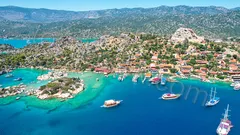
The route linking Demre, Myra and Kekova is one of the most layered historical journeys along Turkey's Mediterranean coast. In a single day it traces the footprints of the ancient Lycian civilisation, the religious heritage of the Byzantine era and an entire city that slipped beneath the waves nearly two thousand years ago. Joining a Demre Myra Kekova Tour from Belek means spending the day moving between open-air archaeological sites, a Byzantine church of worldwide fame and a coastline where history literally lies under the surface of the sea.
This is far more than a routine sightseeing outing. You stand before rock-cut tombs and piece together an ancient civilisation's beliefs about death, enter a church whose walls guard the true origin story of Santa Claus, gaze from a boat deck at submerged streets and stairways, and lose all sense of time wandering the narrow paths of a car-free fishing village perched below a medieval fortress.
Route and Travel Duration
The distance between Belek and Demre is roughly 220 kilometres. The excursion lasts a total of 13 hours, beginning with hotel pick-up at around 05:30 and ending with drop-off at approximately 18:30. Panoramic views of the Mediterranean coastline accompany the drive, while the guide uses the journey time to introduce the geography and history of each stop ahead. Travel is by air-conditioned, comfortable vehicles, and planned rest stops along the way keep fatigue to a minimum despite the long distance.
The Lycian Civilisation and the Importance of Myra
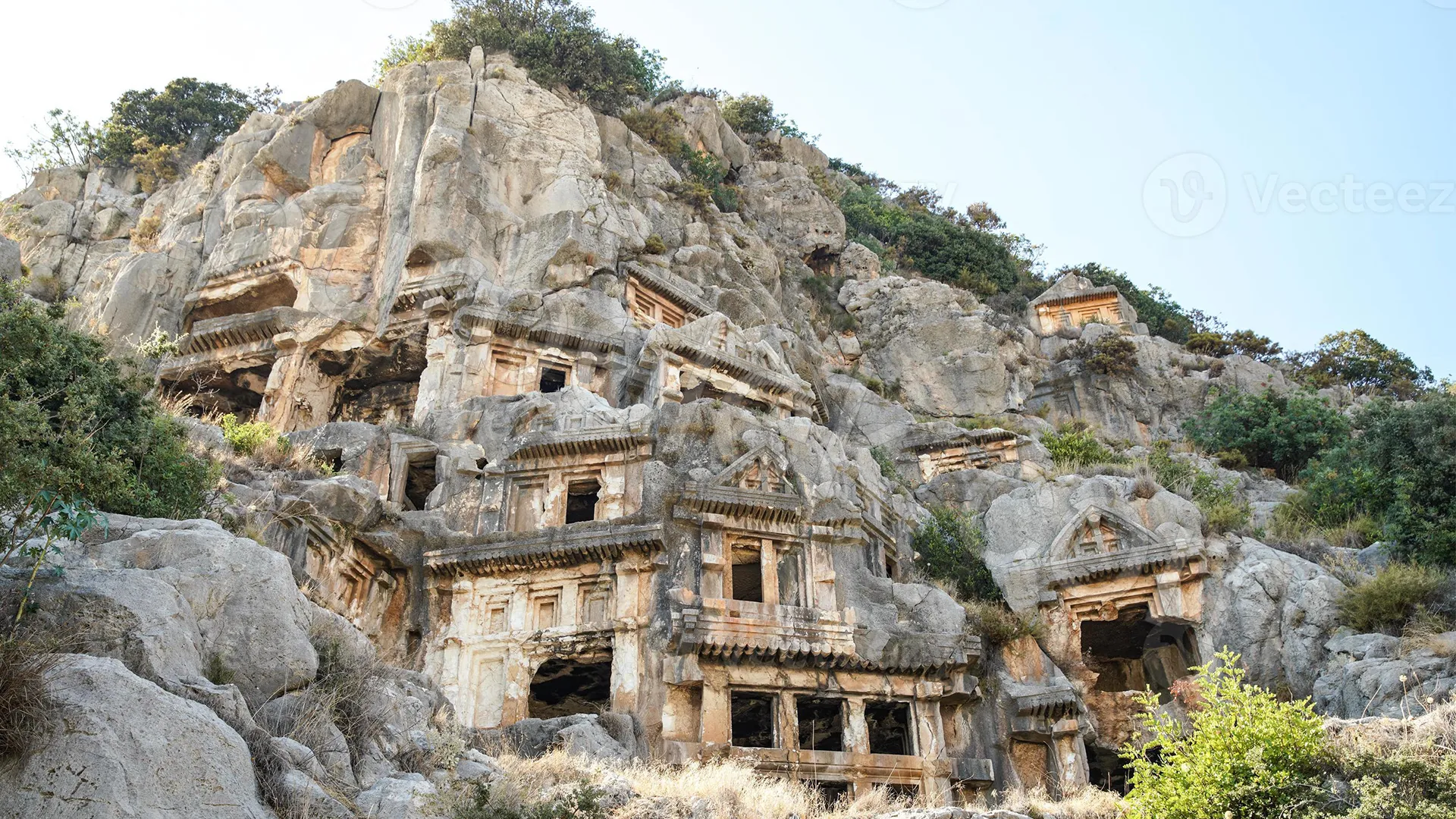
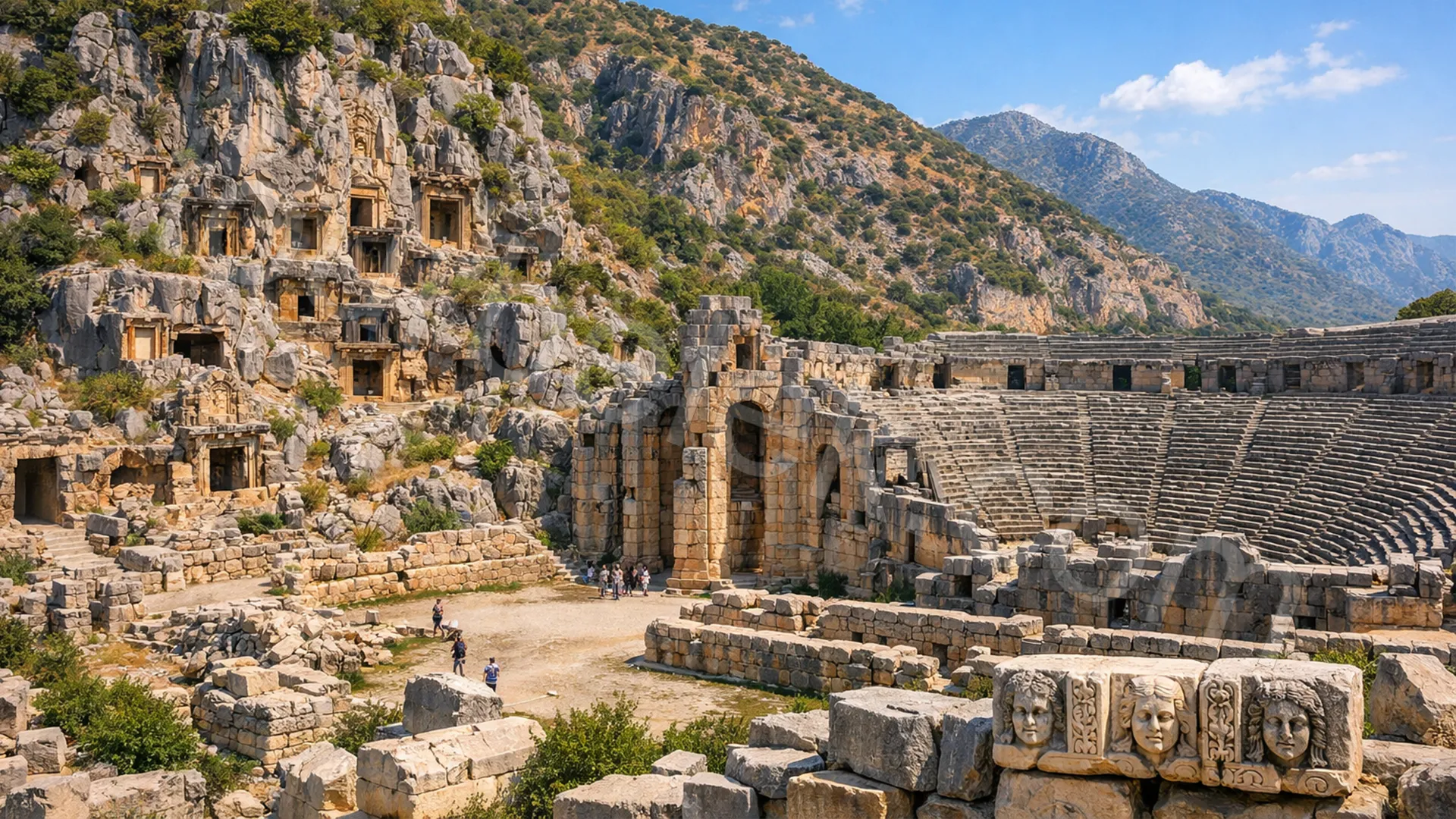
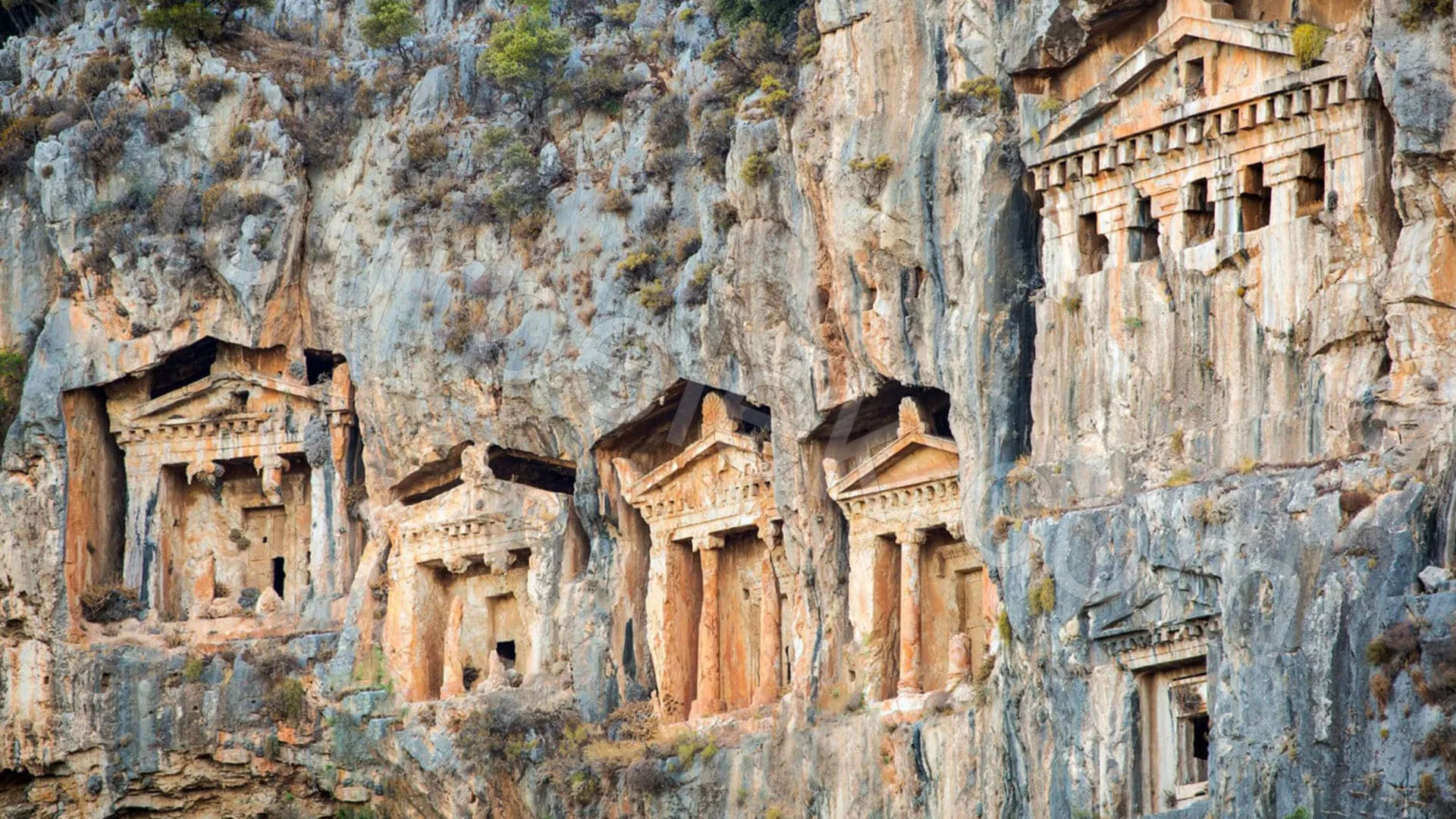
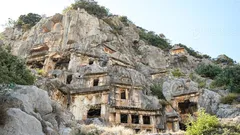
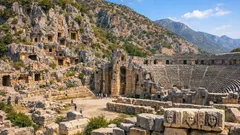
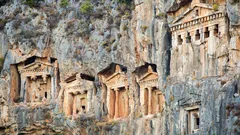
Lycia was an independent civilisation centred on south-western Anatolia from the second millennium BC onward, distinguished by its own language, alphabet and system of governance. The Lycian League is widely recognised as one of the earliest federal political structures in recorded history, admired even by Roman senators of its time. Myra stood as one of the League's six foremost cities. Its core ruins lie just north of present-day Demre, and the site's most striking remains are the monumental tombs hewn into cliff faces and a remarkably well-preserved Roman amphitheatre.
The rock tombs of Myra reflect the Lycian belief that the dead should rest close to the sky. Carved into steep rock faces, these burial chambers feature elaborate temple-style facades that are architectural masterpieces in their own right. The theatre, with a capacity of roughly 11,000 spectators, ranks among the largest stage structures anywhere in Lycia; even today you can sit on its stone tiers and test its acoustics. A Belek Lycian Rock Tombs Excursion that pairs these two monuments side by side gives a powerful sense of the city's former scale.
St Nicholas and the True Origin of Santa Claus
The historical figure behind Santa Claus was a man named Nicholas, born around AD 270 in the Lycian port of Patara. As Bishop of Myra he became renowned for his generosity and charitable acts. According to tradition, he secretly dropped bags of gold down the chimney of a destitute father who could not afford dowries for his daughters, a story widely regarded as the seed of the gift-giving custom we know today. After Nicholas died in Demre around AD 343, the Church canonised him, and over the centuries his legend migrated to Northern Europe where it gradually transformed into the modern Santa Claus figure.
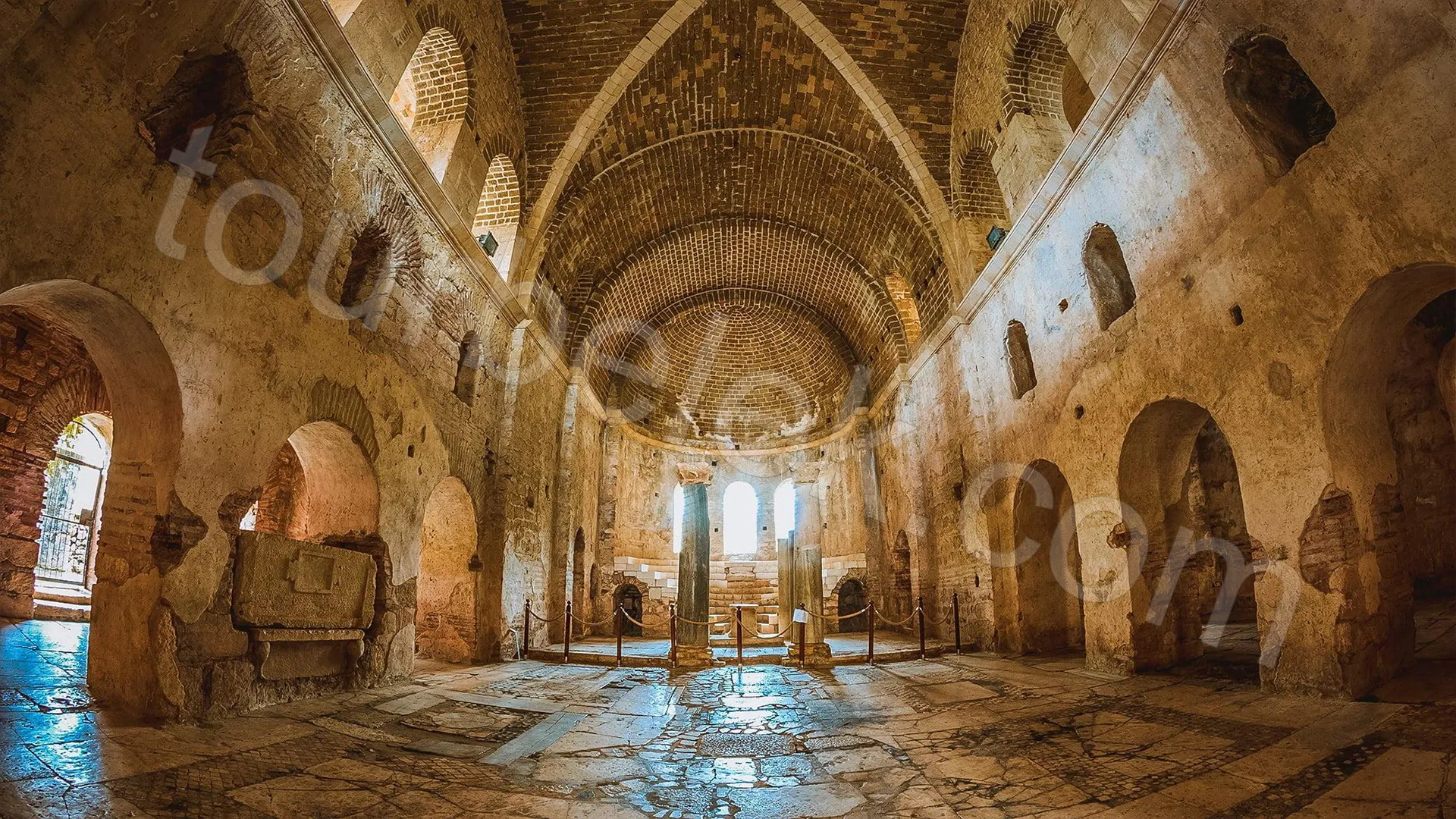
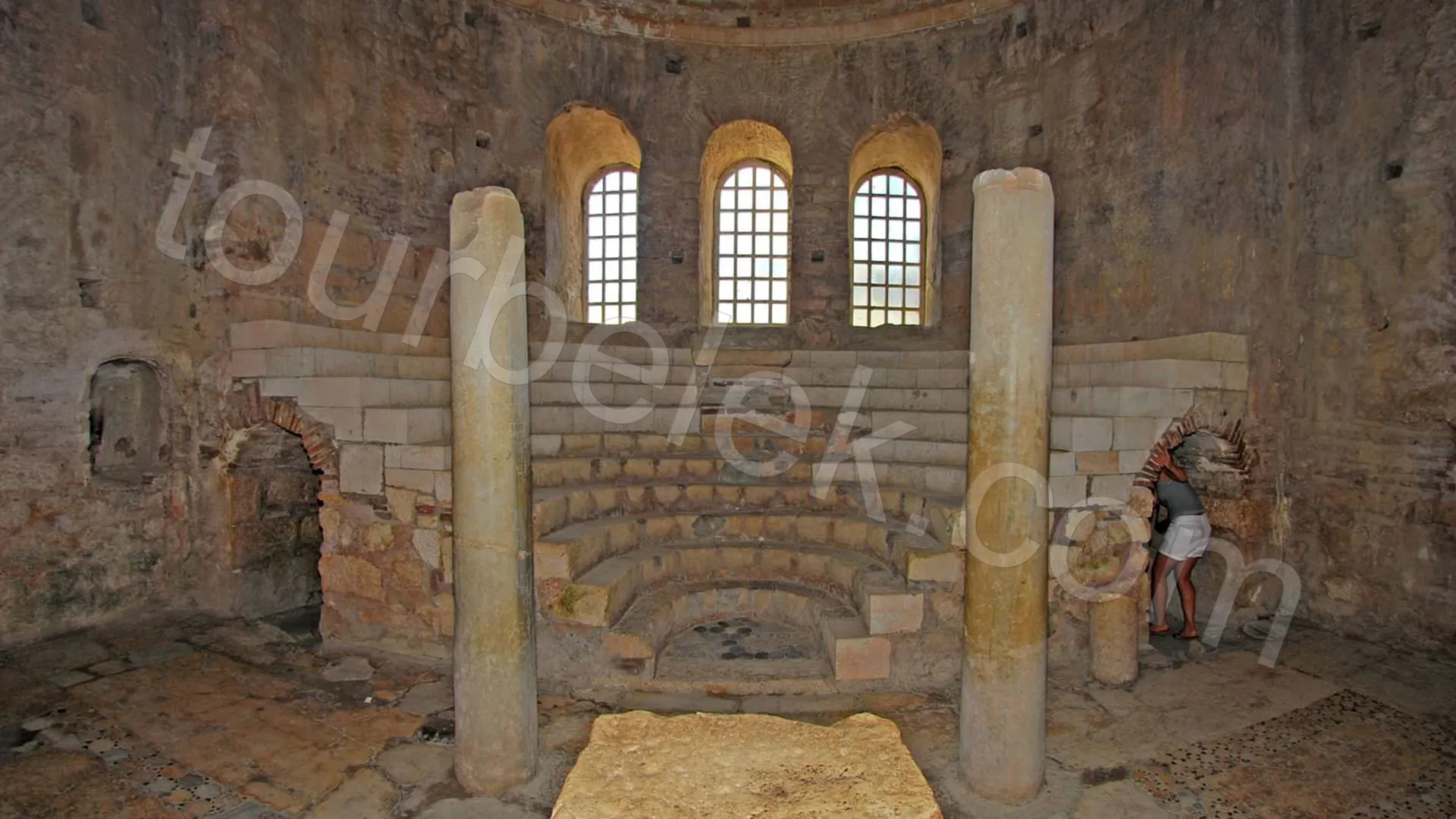
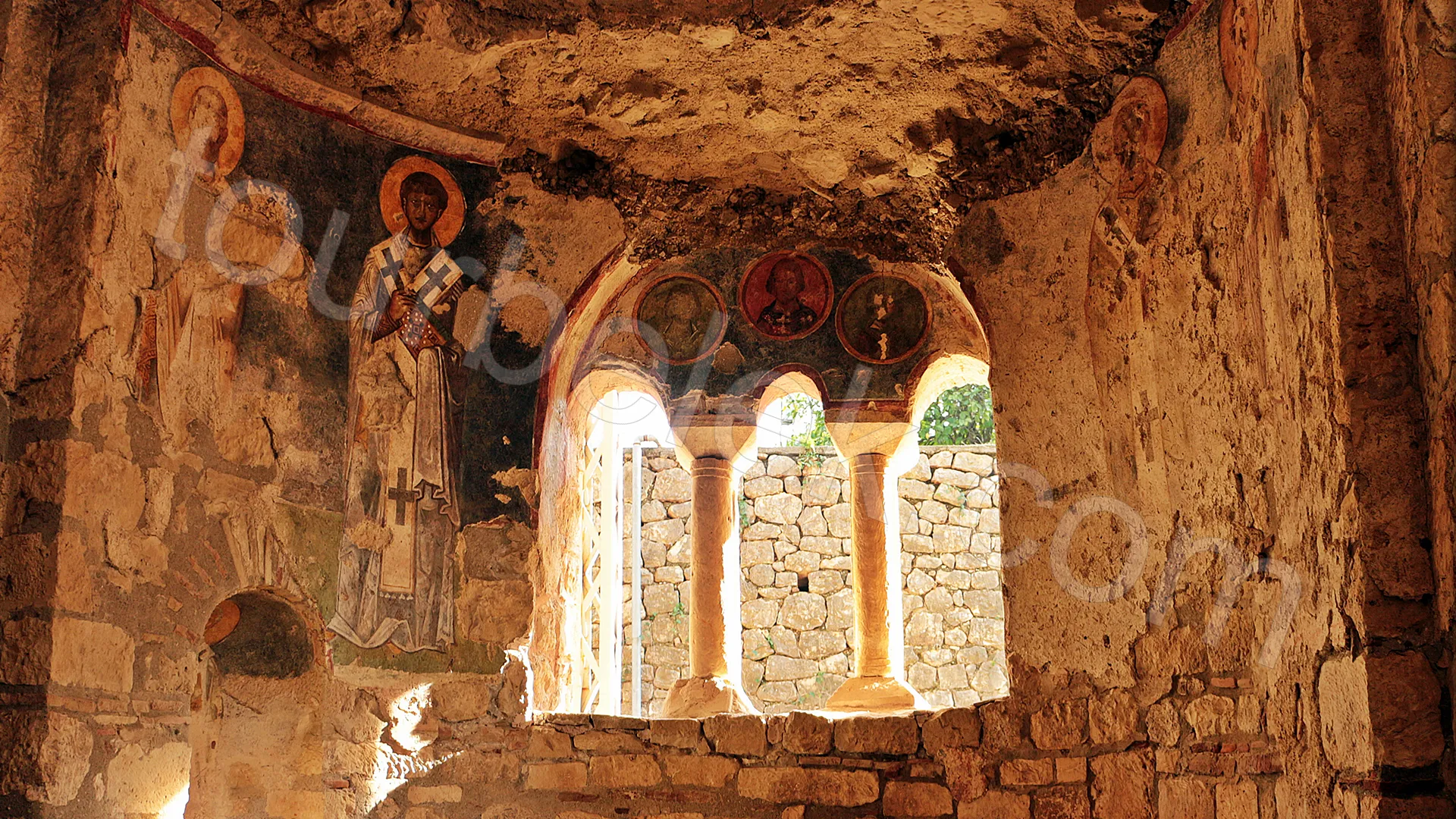
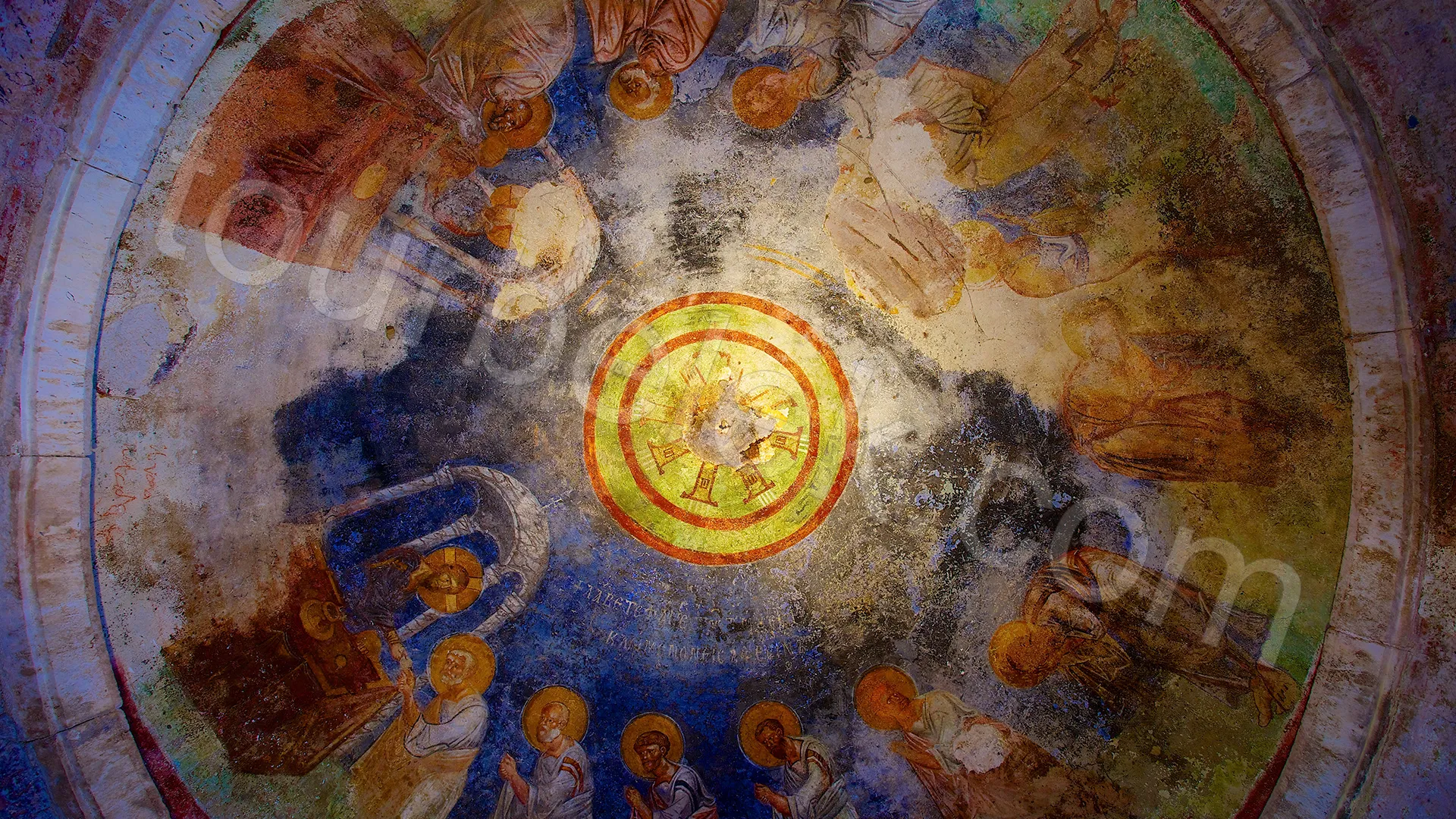
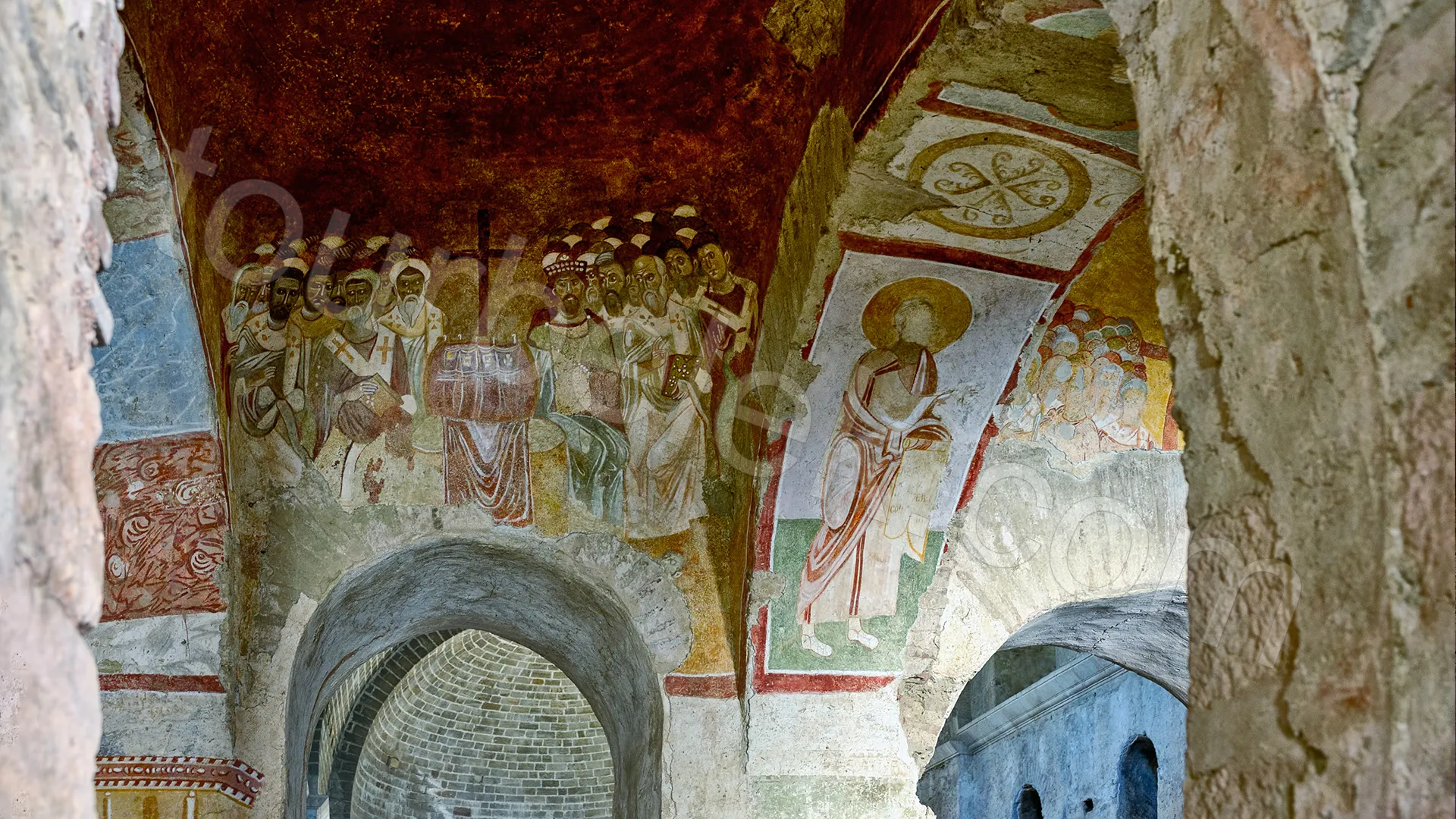
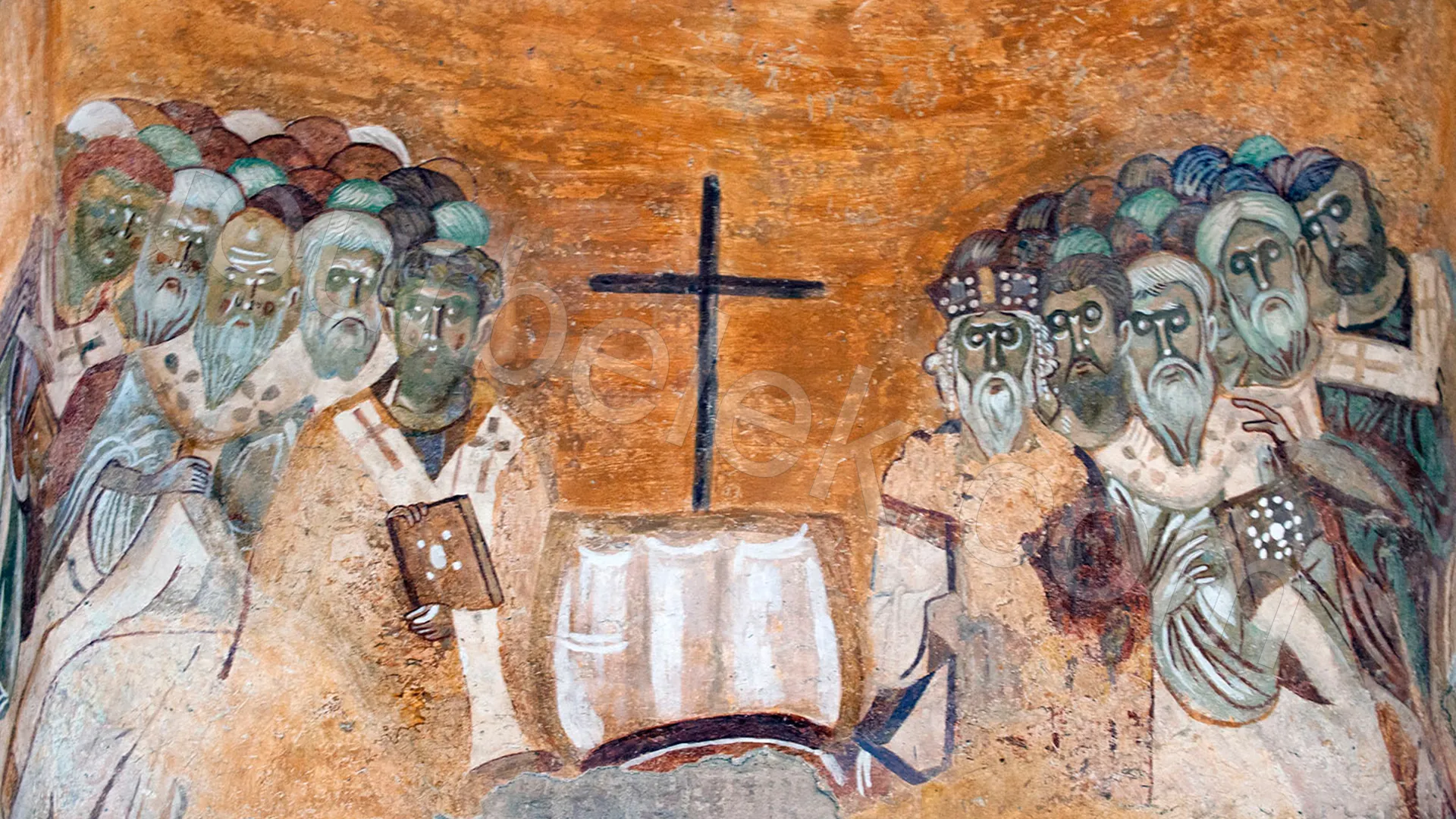
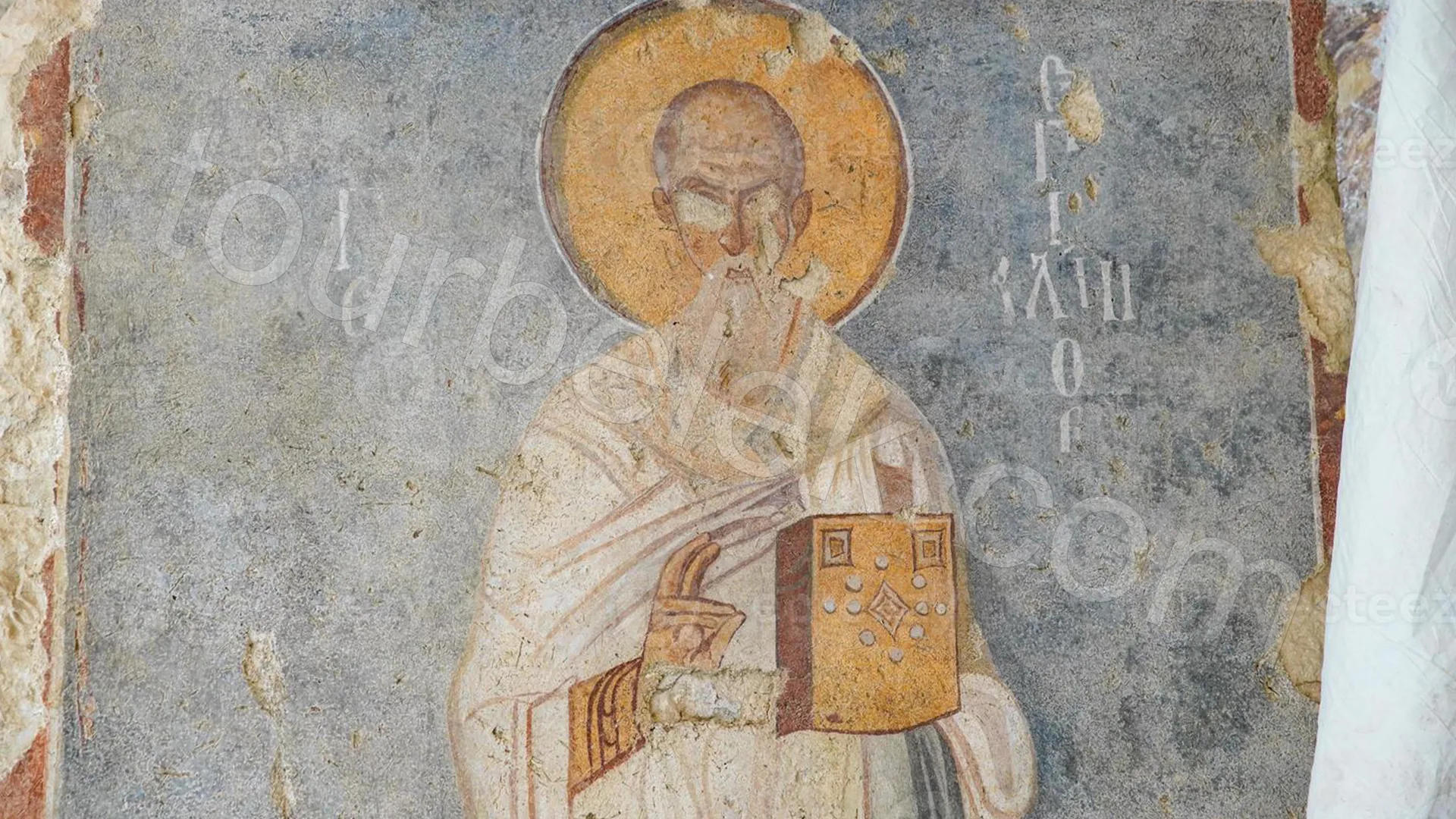
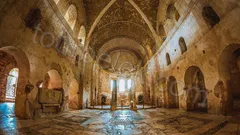
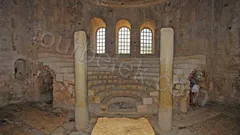
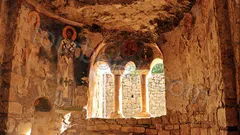
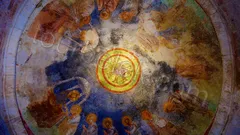
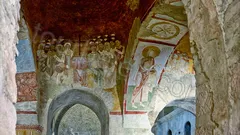
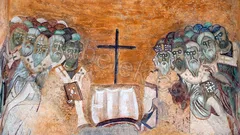
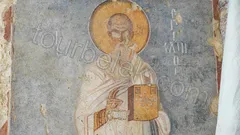
The Church of St Nicholas in Demre is the physical evidence of that story. Built during the Byzantine period, the structure was repaired repeatedly after earthquakes and floods; parts of it now sit below the current ground level, yet it continues to impress visitors. Inside, surviving fresco fragments and mosaic floors rank among the best-preserved examples of Byzantine art anywhere on the Mediterranean. A Belek St Nicholas Church Visit appeals not only to those interested in religious tourism but to anyone curious about the cultural layers of Anatolia.
Kekova and the Sunken Ancient City
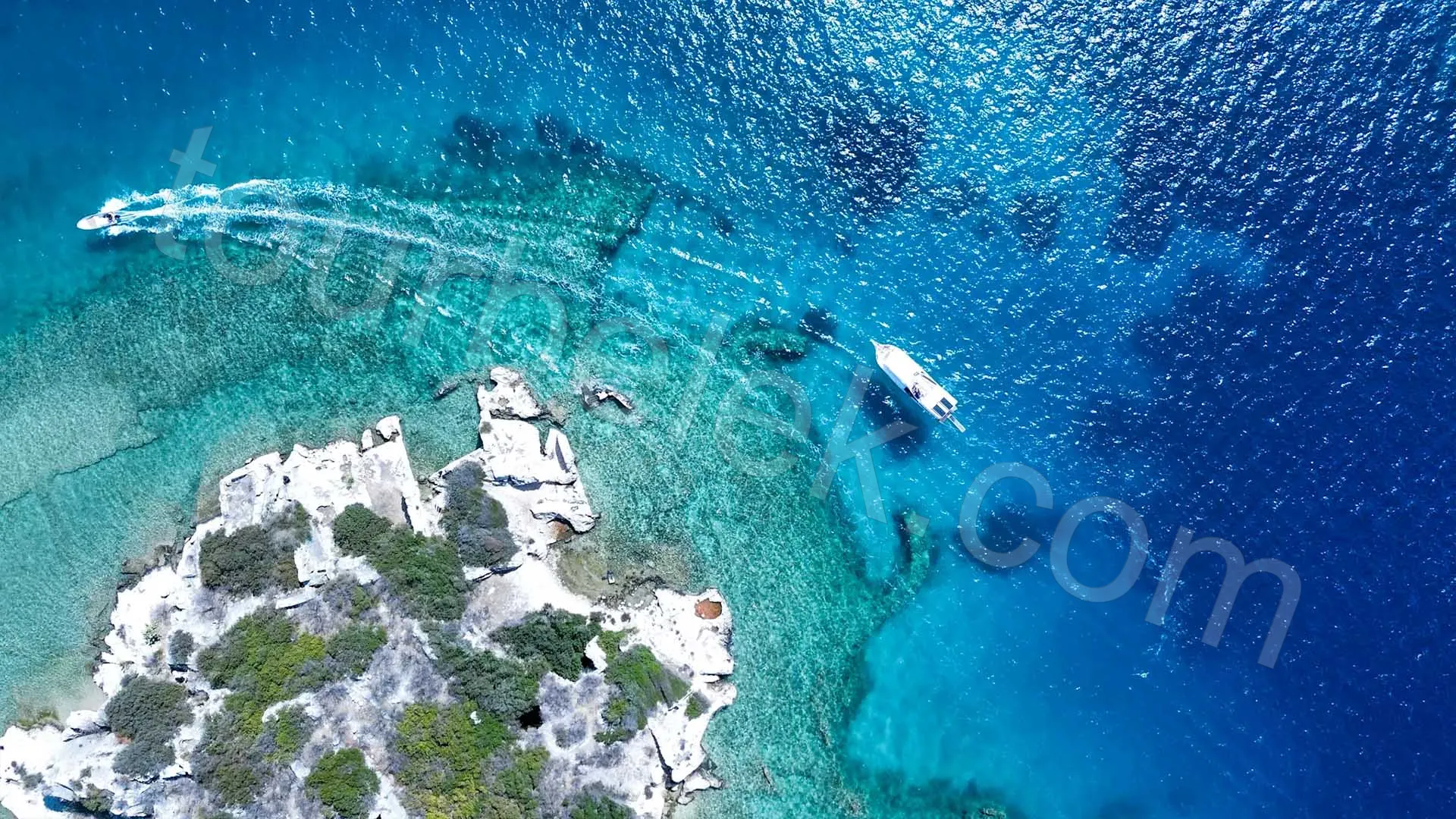
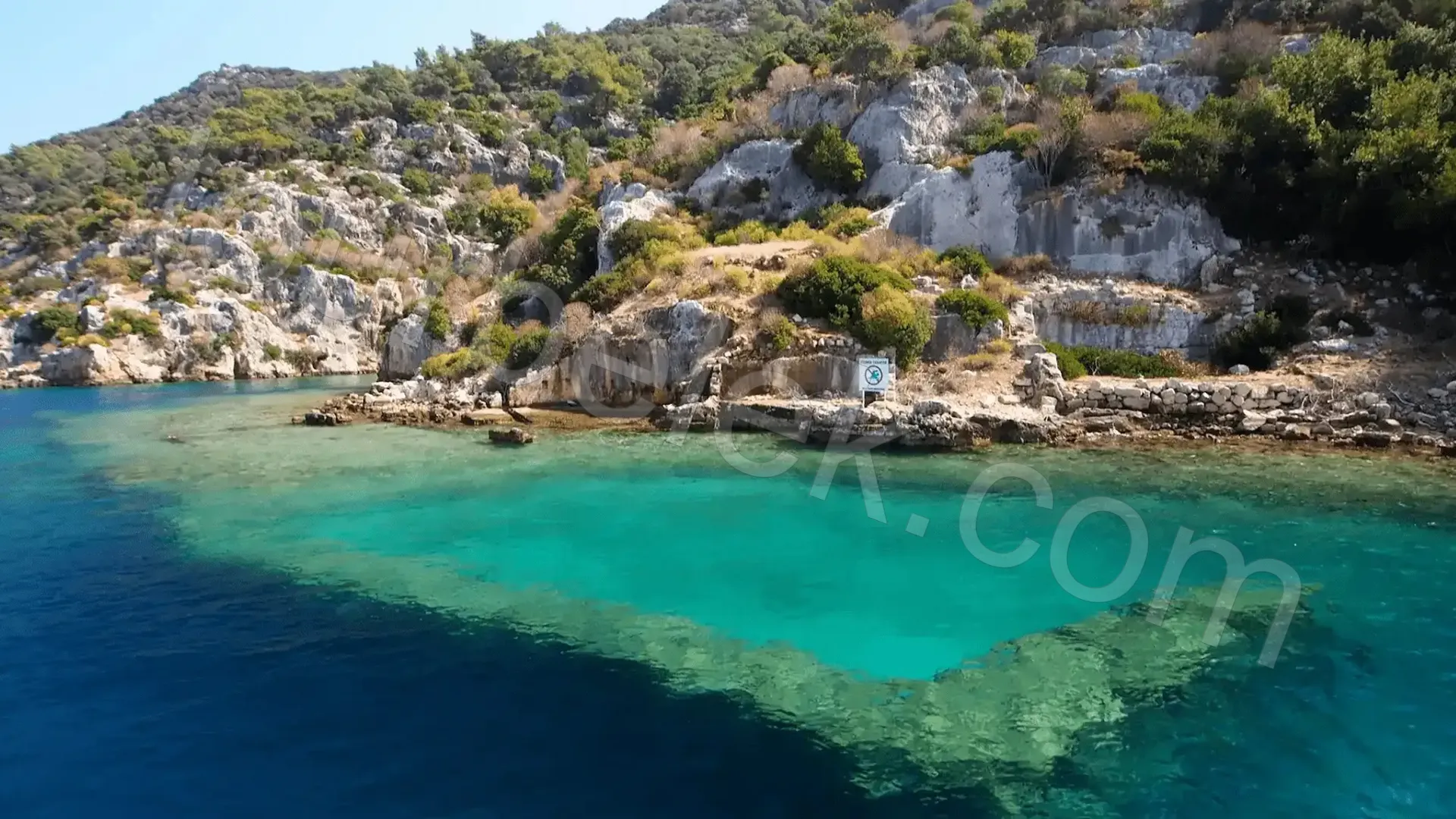
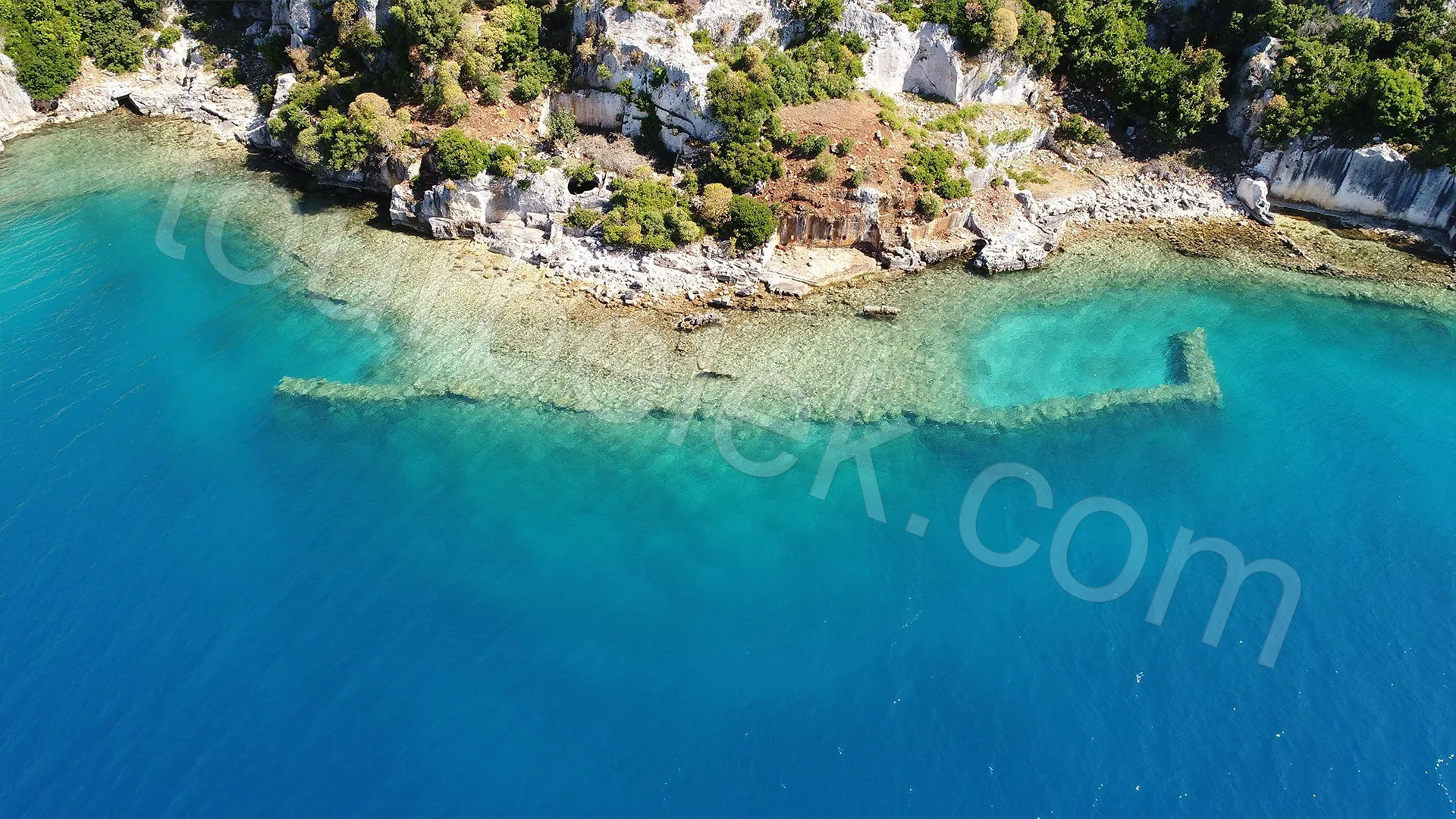
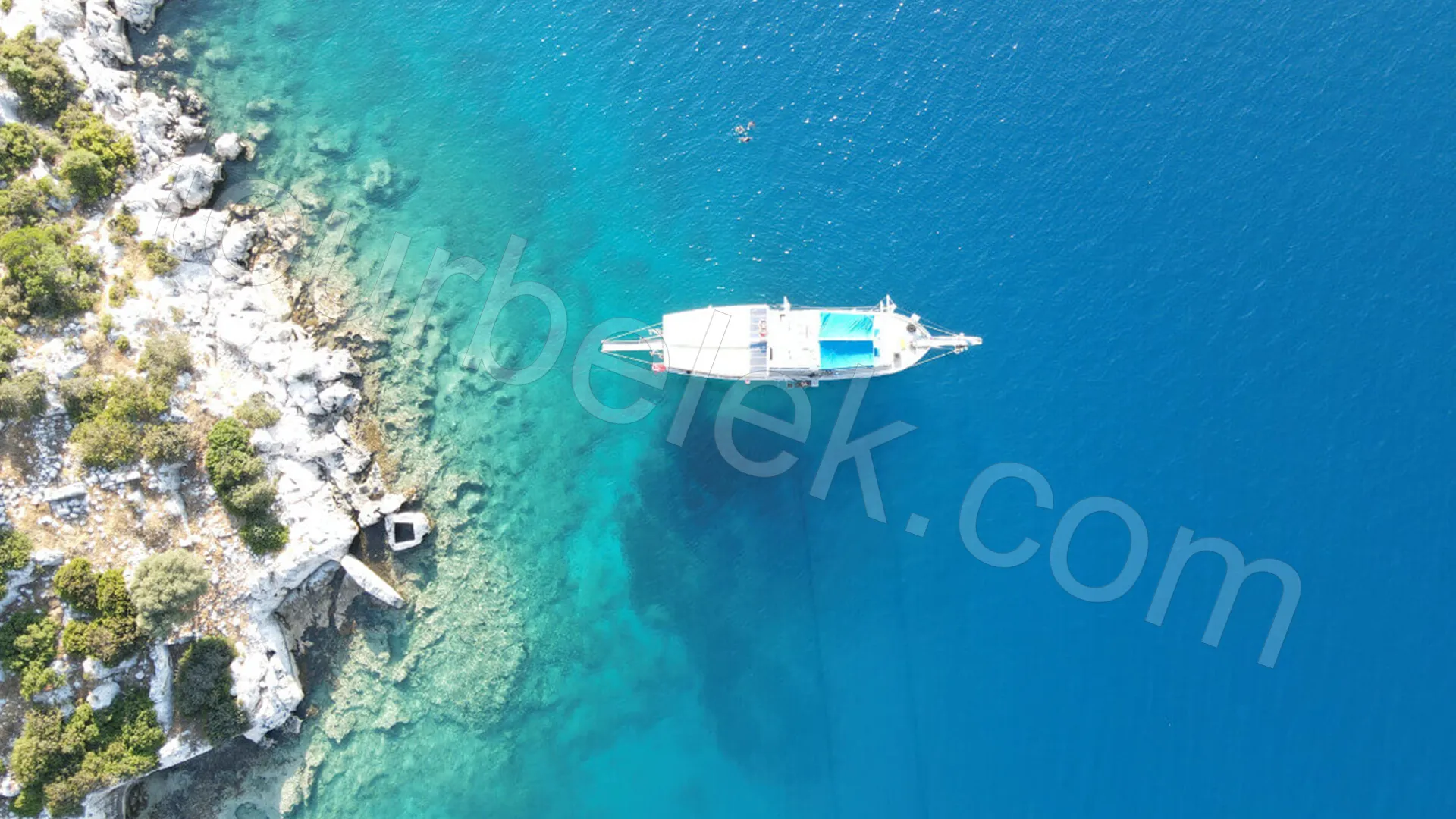
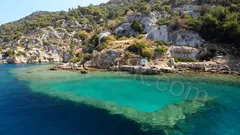
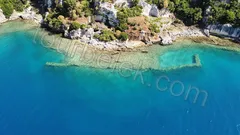
The Kekova region occupies a stretch of coastline near Demre and, together with the island facing it, forms a unique natural conservation area. What gave this spot worldwide recognition is a catastrophic earthquake in the 2nd century AD that caused a large portion of the coastal settlement to slide beneath the sea. Known in ancient sources as Dolichiste, the city — streets, houses, shops and harbour included — was submerged almost in its entirety.
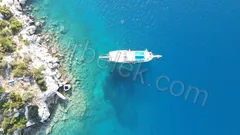
Today, as a boat glides through the shallows, stone wall remnants, stairways, sarcophagus fragments and building foundations are clearly visible beneath the surface. The exceptional clarity of the water means that many of these structures can be spotted even from the upper deck. During a Belek Kekova Sunken City Excursion these ruins are viewed panoramically from the boat while the guide explains the function of each visible structure and recounts how the city came to rest on the seabed. The area has held first-degree archaeological site status since 1990, and swimming, diving or anchoring over the sunken city is strictly prohibited. This protection is precisely what has kept the remains intact for nearly two millennia.
The Boat Route and Time on the Water
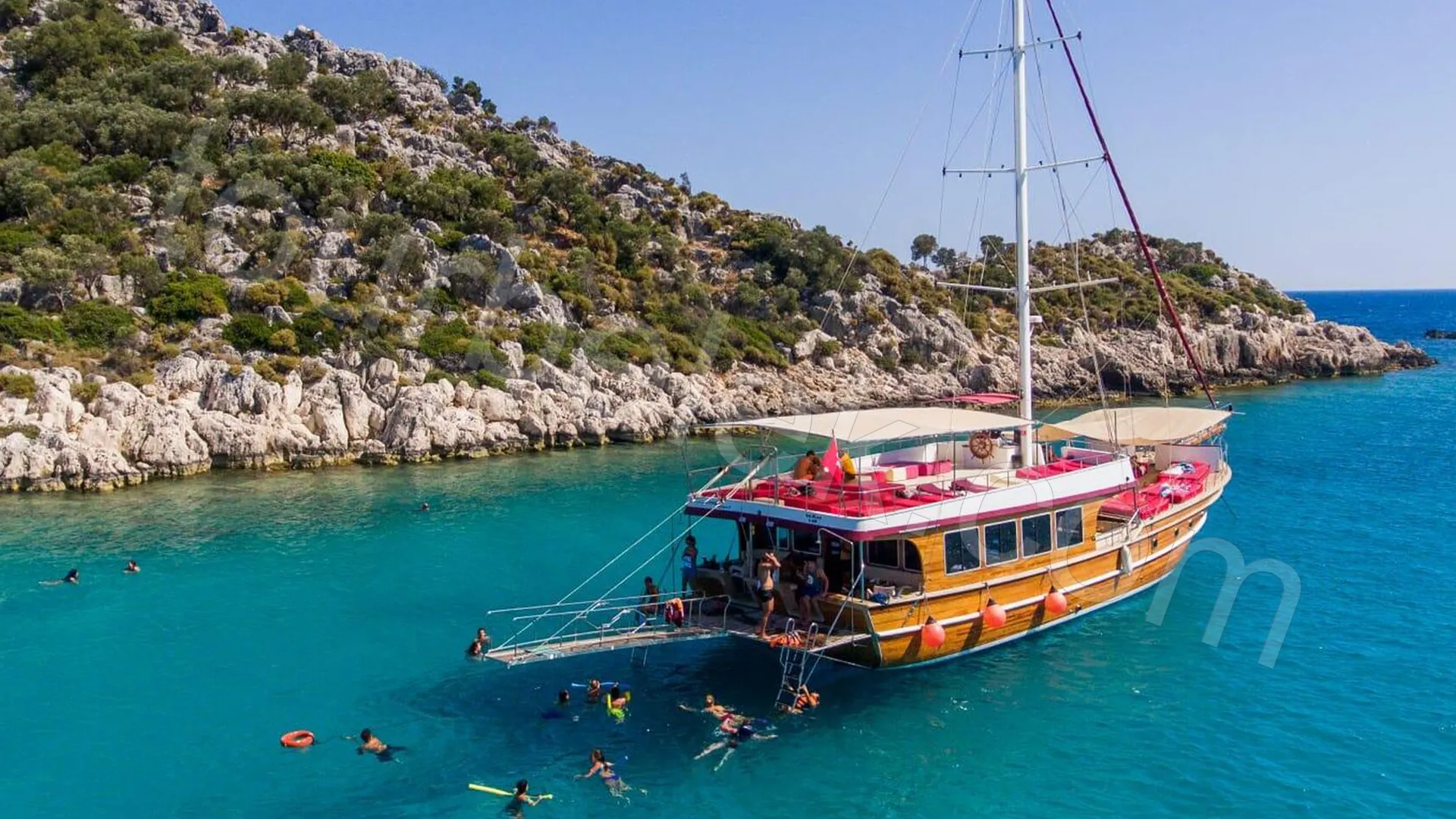
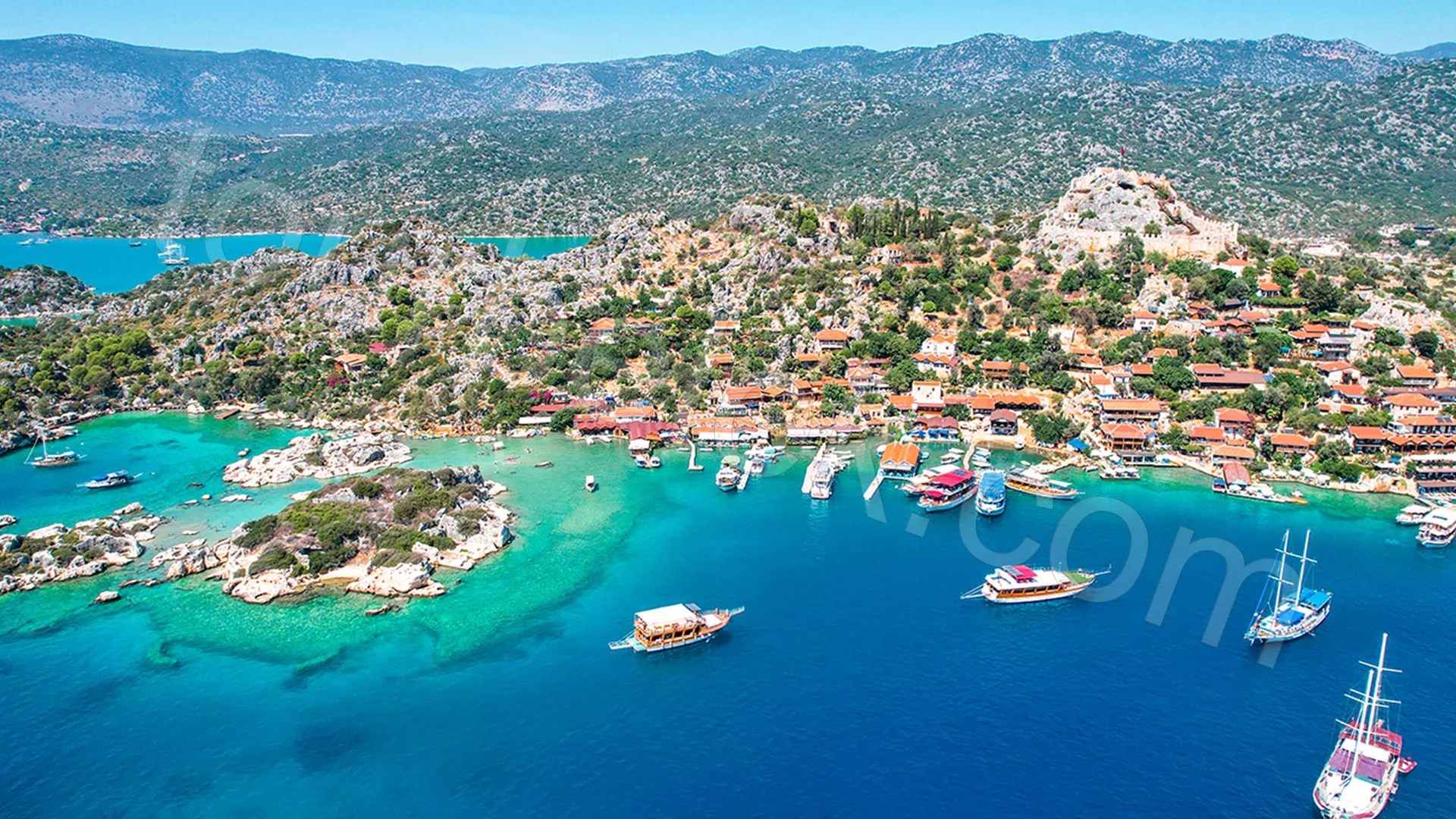
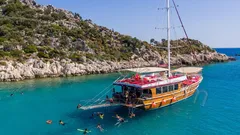
The Kekova boat trip lasts roughly two hours and covers several distinct points of interest. After the panoramic passage over the sunken city, the boat follows the southern shore of Kekova Island before heading towards the bays on the opposite side. Kekova Island itself is closed to settlement; ancient ruins, cisterns and small church foundations dot its surface. The translucent bays facing the island provide the most relaxing stretch of the entire voyage.
On days when weather and sea conditions allow, a swimming stop is made at spots such as Gökkaya Bay. The water in these coves is remarkably clear — rocks and fish on the seabed are easily visible from the surface. During a Belek Kekova Boat Trip, participants who have brought snorkel gear can explore the underwater scenery more closely at permitted swimming points. Free time is given outside the protected zone, though water shoes are strongly recommended because the seabed is rocky.
Kaleköy: Where the Sea Meets a Fortress
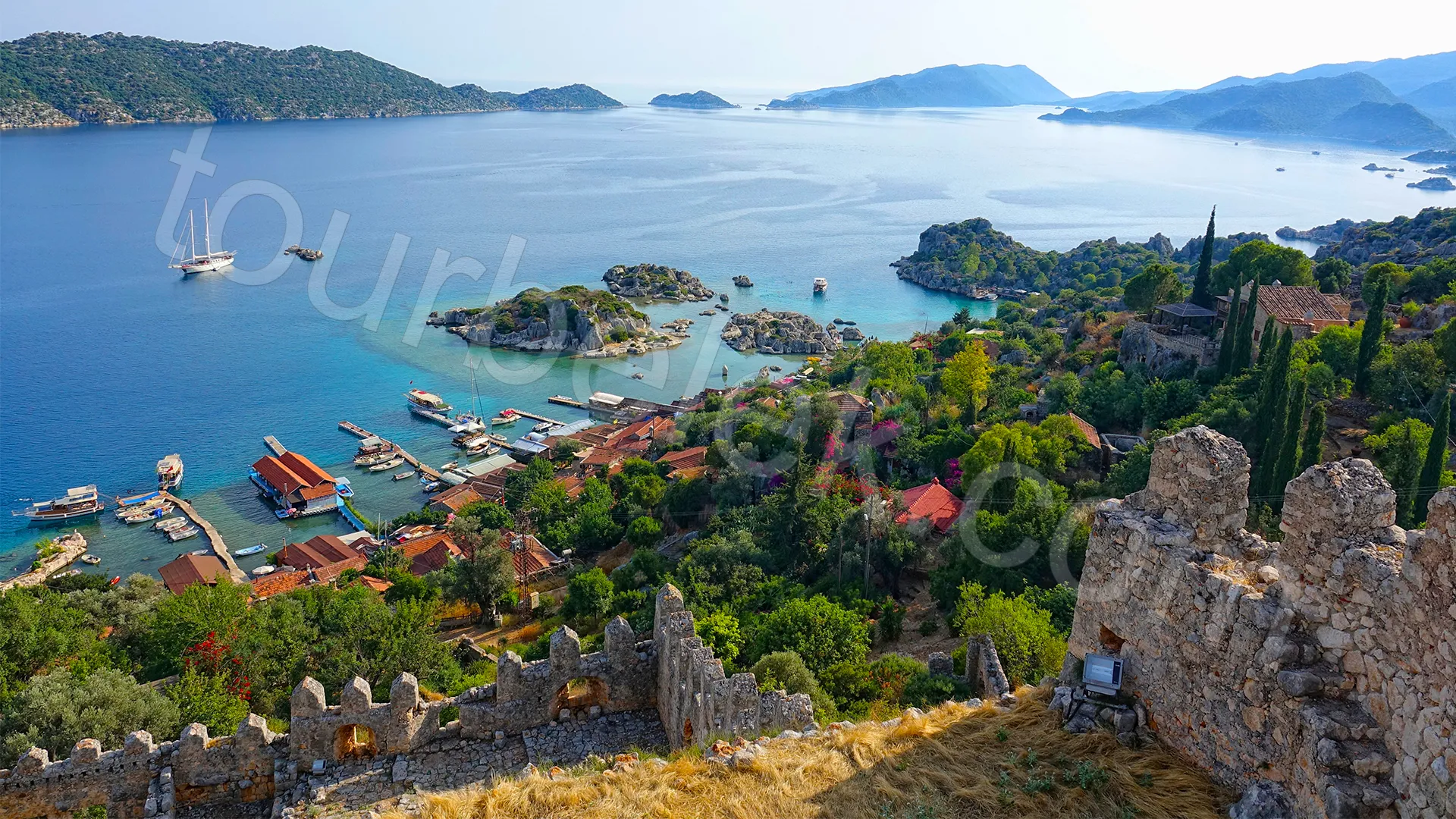
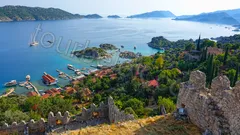
Kaleköy, known in antiquity as Simena, remains one of the rare Mediterranean settlements that still cannot be reached by road. Access is only by boat or on foot from the neighbouring village of Üçağız. This isolation is precisely what makes Kaleköy one of the most authentic spots on the Turkish coast. Small waterfront restaurants, handmade souvenir stalls and locally produced goat-milk ice cream turn even a short free-time stop into a memorable experience.
A medieval castle crowns the hilltop above the village. From the waterfront a steep footpath of about ten minutes leads to the summit, passing Lycian sarcophagi and necropolis remains along the way. At the top, a sweeping panorama of Kekova Island, the sunken city and the surrounding coastline unfolds before you. For photography enthusiasts this is comfortably the most rewarding vantage point on the entire route. The path is short but steep, so comfortable footwear is advisable.
Best Time to Visit
This excursion runs every day of the year, though the experience varies with the seasons. The periods from April to June and from September to October are ideal in terms of air temperature, sea conditions and crowd levels. In midsummer temperatures can reach 40 °C, making prolonged outdoor walking tiring. During the winter months sea temperatures drop and swimming stops may not be possible, yet archaeological sites are far less crowded and the soft light is excellent for photography.
Who Is This Day Trip For
The Demre Myra Kekova Tour from Belek suits a wide range of interests. History enthusiasts can examine the Lycian and Byzantine periods first-hand; nature lovers enjoy the bays and crystal-clear water along the boat route; photographers capture striking frames at the rock tombs, the sunken city and Kaleköy's hilltop vantage point. Families are welcome too — children generally love the boat trip and the sea — though the total excursion length of 13 hours is worth bearing in mind for those travelling with very young children. TourBelek guides share historical insights and practical tips throughout the day, which is especially helpful for first-time visitors to the region.
Standard and Plus Ticket Options
Two ticket types are available for this excursion. The Standard ticket covers transport, a professional guide, lunch and the boat trip. The Plus ticket adds Myra Ancient City entrance and St Nicholas Memorial Museum entrance on top of everything in the Standard package. For visitors who prefer not to purchase site admissions separately or queue at ticket counters, the Plus option is a practical choice.
Frequently Asked Questions
The tour lasts 13 hours in total. Pick-up from hotels begins at around 05:30 and return is at approximately 18:30.
Air-conditioned vehicles collect you from the door of your hotel in the Belek area. The exact pick-up time is confirmed the day before.
Yes, children are welcome. However, as the tour lasts 13 hours, families with very young children should take this into account. The boat trip and sea sections are usually a highlight for kids.
Yes, when weather and sea conditions allow, swimming stops are made in designated bays. Swimming over the sunken city protection zone is not permitted.
Kekova Sunken City has been a first-degree archaeological site since 1990. Swimming, diving and anchoring over the ruins are prohibited to preserve the remains.
Snorkelling is allowed at swimming spots outside the protection zone. Bringing your own equipment is recommended; the water is exceptionally clear and the underwater views are impressive.
The Standard ticket includes transport, a professional guide, lunch and the boat trip. The Plus ticket adds Myra Ancient City entrance and St Nicholas Memorial Museum entrance on top of the Standard package.
Yes, lunch is included in the tour price. It is served in the Demre area before the boat trip begins.
A breakfast break is made upon arrival in Demre. Breakfast is not included in the tour price; you can bring your own or purchase items at the stop.
April to June and September to October are the most comfortable periods. Midsummer can be very hot, while winter months may rule out swimming, though the archaeological sites are much quieter.
It is a steep footpath of about 10 minutes from the waterfront. It is not physically demanding but the gradient calls for comfortable shoes. The panoramic view from the top is well worth the effort.
Strongly recommended. The sea at the swimming points is beautifully clear but the seabed is rocky. Entering without water shoes can be uncomfortable.
No advance payment is required. The full amount is paid on the day of the tour.
Yes, the tour operates every day of the week.
Yes, photography is allowed throughout the entire route. You can photograph the sunken city from the boat and use an underwater camera at the swimming stops if you have one.
As the tour is lengthy and involves walking at certain points, those in advanced pregnancy or with significant mobility limitations are advised to get in touch beforehand. The castle climb at Kaleköy is optional.
The boat trip lasts approximately 2 hours. It includes the sunken city passage, a circuit around Kekova Island, a swimming stop and the Kaleköy stop.